
Chile Family Trip Guide: Experiences Designed for Curious Kids
- By: Johanna Alvear
A family trip to Chile unfolds through movement and contrast rather than long transfers or rigid schedules. One day, children are riding cable cars above a capital city; the next, they are watching penguins along the coast or biking through open countryside. Chile’s geography makes this possible. Cities, vineyards, beaches, and nature-rich regions sit close enough together to keep travel days short, and experiences varied—an essential balance when traveling with kids.
What makes a Chile family trip especially compelling is how naturally experiences invite participation. Markets become places to learn, landscapes become playgrounds, and cultural encounters happen at a pace that works for both parents and children. Drawing from firsthand family experiences, this guide explores what families can do in Chile with kids, focusing on activities that engage curiosity, allow space to move, and create shared moments rather than rushed checklists.
Table of Contents
Why Is Chile Such a Good Destination for a Family Trip With Kids?
Chile family vacations work well because the country’s structure supports families without requiring constant compromise. Distances between major experiences are manageable, infrastructure is reliable, and many highlights are outdoors, an advantage for children who learn best through movement and exploration.
Families planning a family vacation to Chile often discover that the country allows variety without overload. Urban culture, coastal wildlife, countryside landscapes, and nature-driven regions can be combined into a single trip without long travel days or dramatic shifts in logistics. This balance is one of Chile’s greatest strengths for family travel.
Why Chile Works for Families
Before diving into specific destinations, it helps to see how Chile’s experiences naturally align with family needs.
| Experience Type | Where It Happens | Why It Works for Families |
|---|---|---|
| City exploration | Santiago | Walkable areas, parks, cable cars, food-focused neighborhoods. |
| Open landscapes | Vineyards near Santiago | Space to bike, walk, and explore freely. |
| Wildlife encounters | Central coast | Short, memorable experiences like penguin watching. |
| Nature immersion | Lake District | Flexible outdoor activities adapted to children. |
Together, these experiences show why a Chile family trip feels varied without feeling fragmented, giving families the freedom to mix culture, nature, and downtime.
Santiago as a Family-Friendly Base
Santiago often serves as the gateway to Chile, but for families, it is more than just a stopover. The city’s layout, green spaces, and accessible viewpoints make it an easy place to settle into the rhythm of traveling with kids.
What Can Families Actually Do in Santiago With Kids?
Santiago works best when experienced through simple, engaging activities rather than long museum visits. Rebecca experienced the city with her husband and children by focusing on movement, food, and views.
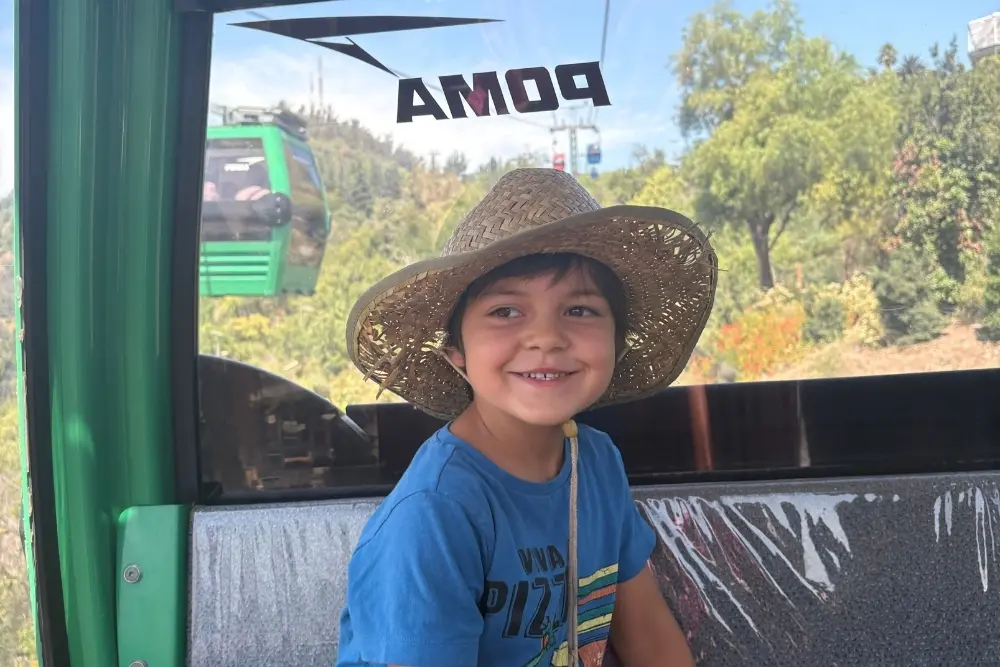
Riding the cable cars at Parque Metropolitano de Santiago gave her family an immediate sense of place, lifting them above the city to see how mountains frame daily life. For her children, the ride itself was as memorable as the view, turning transportation into an experience.
Neighborhood exploration also played a role. In Barrio Lastarria, her family tried Chilean empanadas together, using food as an easy way to introduce local culture without formal explanations. These moments grounded the city experience in participation rather than observation.
Where Families Stay in Santiago
Staying in walkable, central neighborhoods made Santiago easier with kids. Based on her family’s experience, Rebecca personally recommends hotels in and around Lastarria, where parks, restaurants, and cultural sites are close together.
Her personal tips for Chile hotels in the capital include The Singular Santiago, Lastarria, Cumbres Lastarria, and Hotel Le Rêve, all chosen for their locations and neighborhood feel rather than resort-style isolation.
Vineyards Near Santiago: Open Landscapes Where Kids Can Explore
Chile with kids does not mean skipping the countryside. Vineyards near Santiago are less about formal tastings and more about open space, fresh air, and slow movement, qualities that naturally appeal to families.
A Different Way to Experience Vineyards as a Family
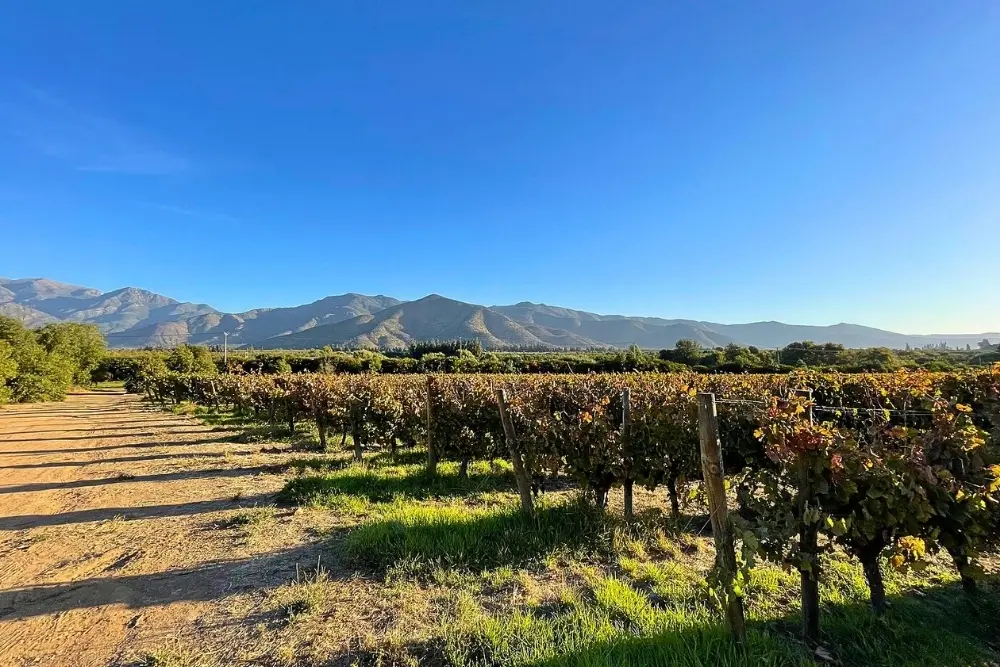
When framed as rural landscapes rather than wine-focused stops, vineyards become places where children can bike, walk, and explore safely. Wide paths, open views, and quiet surroundings give kids freedom, while parents enjoy the setting without needing to structure every moment.
A Vineyard Experience Rebecca Recommends
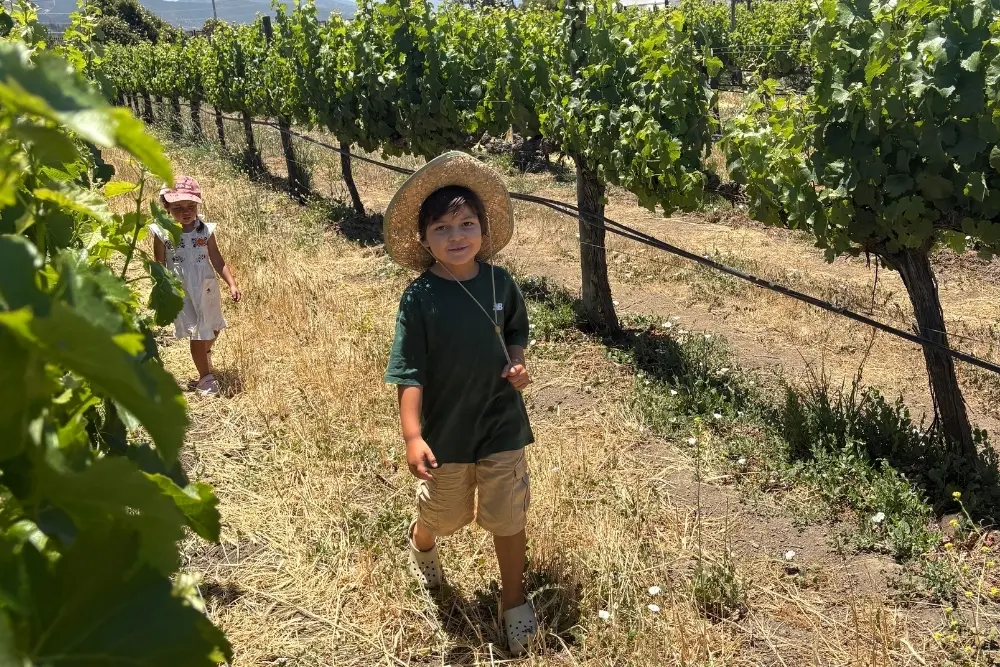
Rebecca visited Casas del Bosque with her family and found it worked particularly well with children. Her kids enjoyed biking around the property and spending time outdoors, while adults appreciated the calm, countryside atmosphere. She notes that experiences like this help vineyards feel inclusive for families rather than adult-only destinations.
Valparaíso: Color, Wildlife, and Hands-On Experiences
Valparaíso offers a completely different rhythm from Santiago. Built across dozens of hills overlooking the Pacific, the city engages children through color, movement, and unexpected encounters.
What Makes Valparaíso So Engaging for Kids?
Valparaíso is built across a series of steep hills known locally as cerros. These hills rise directly from the port, creating a layered city where neighborhoods stack vertically rather than spread outward. Because walking uphill was impractical, the city developed a network of elevators to connect the lower port areas with residential neighborhoods above.
At its peak, Valparaíso had around thirty working elevators. Today, only a handful remain active, making each ride both a practical way to move through the city and a living piece of history. Rebecca shared this story with her children as they explored, helping them understand how geography shaped daily life in the past.
For kids, the mix of colorful hillsides, moving elevators, and unexpected viewpoints turns the city itself into an interactive experience rather than something to simply observe. Rebecca experienced Valparaíso with her family by leaning into curiosity. At the fish market, her children were fascinated by the wildlife—fish, sea lions, and birds—turning a simple market visit into an informal lesson about the coast’s ecosystem.
Cooking Together as a Family
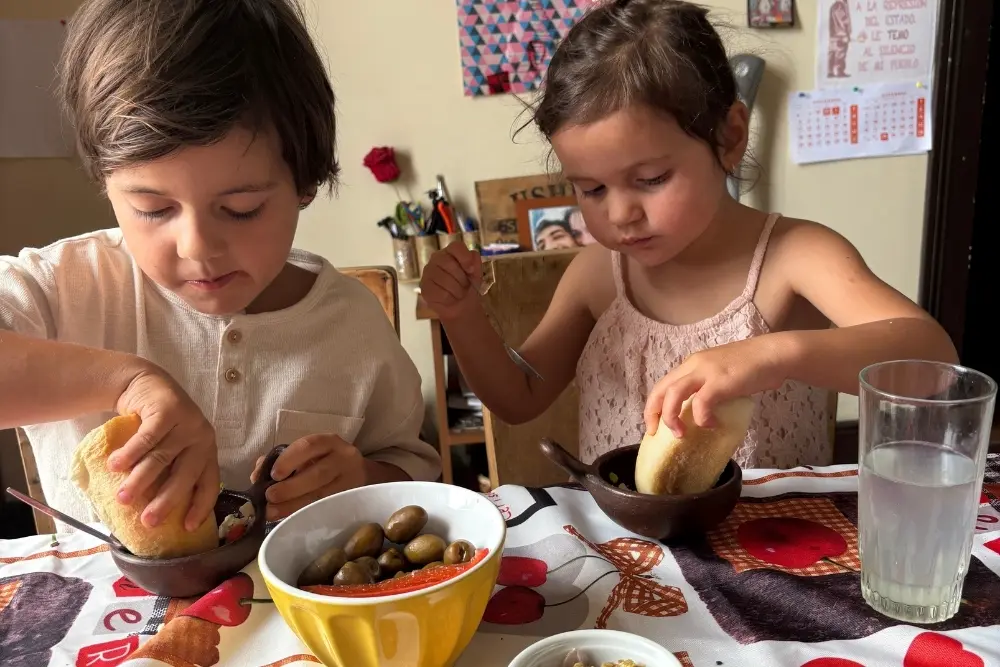
One of Rebecca’s most memorable family experiences in Valparaíso was a cooking class led by Reynetta, a local woman who welcomes visitors into Chilean cuisine through hands-on teaching. Depending on the group’s preferences, the dishes families can learn to prepare include ceviche, caldillo, and pastel de choclo (corn tart). Rebecca’s family selected Chilean ceviche.
The experience worked especially well for her kids because it emphasized participation. Rather than watching a demonstration, the family cooked together, using food as a way to understand local culture through action, conversation, and shared effort.
The day began at Caleta Portales, where her family met Mauricio, a local guide who introduced them to the rhythm of the fish and food market. Walking among fishing boats and market stalls, the children were immediately drawn to the fresh catch, while Mauricio explained what ingredients were used in everyday Chilean cooking.
From there, the family continued shopping at Cardonal Market, stopping at different vendors to select ingredients for lunch. Along the way, they tasted traditional products such as empanadas, ceviche, fish fingers, and vegetarian options, turning the market visit into a hands-on introduction to local flavors rather than a passive stop.
Where Families Stay and Eat in Valparaíso
Rebecca stayed with her family at Hotel Palacio Astoreca, which she recommends for its location and atmosphere. She also notes Casa Higueras as a good alternative. For dining, Restaurant Maralegre stood out as a place where her family could enjoy a relaxed meal together after a day of exploration.
Zapallar and the Coast: Slowing Down With Kids
Zapallar introduces a quieter pace to a family trip to Chile. The coast here invites families to slow down, focus on nature, and enjoy experiences that do not require constant movement.
Penguin Watching at Cachagua
Near Zapallar, Rebecca and her family took a short boat trip to see penguins at Cachagua. Watching penguins in their natural habitat captivated her children, offering a wildlife encounter that was engaging without being overwhelming.
Because the excursion is brief and focused, it works especially well for kids, leaving space in the day for rest or unstructured play.
Where Families Stay in Zapallar
Rebecca personally recommends Hotel Casa Zapallar, highlighting its calm setting and proximity to coastal nature, which made it easy for her family to enjoy slower mornings and outdoor time.
Extending a Chile Family Trip to the Lake District
For families with more time, extending a Chile family trip south adds a completely different landscape to the journey. The Lake District introduces volcanoes, forests, and open spaces that naturally encourage outdoor exploration.
Why the Lake District Works for Families
Reaching Chile’s Lake District involves a short flight from Santiago to Puerto Montt, opening access to a region defined by forests, lakes, volcanoes, and a noticeably slower rhythm. Families who include this area in their itinerary often do so to balance cities and coastlines with nature-focused days that can flex around children’s energy levels.
Rather than concentrating experiences in a single place, the Lake District allows families to choose a base near Pucón or continue south to Chiloé. From there, days can be shaped around outdoor exploration, wildlife encounters, and hands-on cultural activities, all without the pressure of long drives or tightly scheduled itineraries.
Exploring Native Forests and Trails With Kids
Rebecca recommends the Lake District for families who enjoy spending time outdoors at a gentle pace. In areas like Chiloé, protected spaces such as Tepuhueico Park offer walking trails that move through dense native forest, past waterfalls and lakes. These walks can be adjusted to children’s pace, with frequent stops to observe plants, birds, and the surrounding landscape.
She notes that this flexibility is key when traveling with kids. Rather than focusing on distance or difficulty, families can treat forest walks as exploratory experiences, allowing curiosity to guide the day. Occasional sightings of wildlife, including birds and species such as pudus or Darwin’s foxes, add to the sense of discovery without requiring strenuous effort.
Wildlife Encounters Along the Chiloé Coast
For families including Chiloé in their Lake District itinerary, Rebecca strongly recommends a coastal wildlife experience at Puñihuil Bay. Located on the island’s northern coast, this protected Natural Monument is the only place in the world where Humboldt and Magellanic penguins nest side by side.
Families reach the nesting sites by boat, with excursions lasting around half an hour. Rebecca highlights this timing as ideal for children, as it allows them to observe penguins and other seabirds—such as cormorants and pelicans—without becoming restless. The experience offers a memorable introduction to Chile’s coastal ecosystems while remaining manageable for younger travelers.
Hands-On Cultural and Food Experiences in Chiloé
Rebecca also encourages families to complement nature experiences with activities rooted in local traditions. In Chiloé, she recommends visiting Luchita’s farm to see how curanto, one of the island’s most traditional dishes, is prepared using ancestral cooking methods. Watching the process gives children insight into how food, landscape, and history intersect in daily life.
For a lighter, creative option, she suggests an ice cream workshop at Picaflor Heladería, where children can learn how ice cream is made from scratch using local ingredients. These hands-on experiences provide a change of pace from outdoor activities and help kids connect with local culture through participation rather than observation.
Water-Based and Outdoor Activities Across the Lake District
Beyond Chiloé, Rebecca notes that the broader Lake District offers families a range of calm, nature-based activities that work well with children. Kayaking and canoeing on lakes and rivers provide a gentle way to experience the landscape, while horseback riding introduces movement and exploration without demanding advanced skills.
She points out that these activities are particularly effective for maintaining variety during a longer family trip. By alternating between walking, wildlife observation, cultural encounters, and time on the water, families can create days that feel full but unhurried, allowing children to stay engaged without becoming overstimulated.
Where Families Stay in the Lake District
Rebecca points to Vira Vira Lodge, near Pucón, as a strong option for families. Located near a volcano, it offers access to outdoor experiences, all adaptable to children. Enjoy hiking, horseback riding, kayaking, fishing, riding in helicopters and canoes, yoga, and a spa.
A Chile family trip succeeds when experiences feel connected rather than rushed. Chile’s cities invite movement and curiosity, its countryside offers space to roam, and its coastlines and natural regions introduce wildlife and open landscapes. Through firsthand family experiences, it becomes clear that Chile does not simply accommodate children; it actively engages them.
By blending culture, nature, and hands-on activities, Chile allows families to travel together without sacrificing depth or enjoyment. The result is a family vacation to Chile built on shared discovery, where parents and kids experience the country side by side.
Start planning a family trip to Chile designed around meaningful, flexible experiences that engage both parents and kids.
Frequently Asked Questions
Is Chile safe for children?
Chile is considered one of the safest countries in South America for families. Stable infrastructure, good healthcare, walkable neighborhoods, and organized excursions make Chile safe for children, allowing parents to plan a family trip to Chile and focus on experiences.
What is the best time of year to go to Chile with kids?
The best time of year to go to Chile with kids is spring or early fall. Mild weather, fewer crowds, and school-friendly pacing make these seasons ideal for a chile family trip, supporting outdoor activities, city exploration, and vacation planning.
Where to see penguins in Chile?
Penguins in Chile can be seen along the central coast, especially near Cachagua Island, Chiloé, and Punta Arenas. Short boat excursions allow families to observe penguins in natural habitats, making wildlife encounters an addition to a chile family trip memorable.
What are the best activities to include on a family trip to Chile?
A family trip to Chile can include cable cars, coastal wildlife, hands-on cooking, vineyards with open space, and nature-based activities. These experiences keep children engaged through movement and participation, making a family vacation to Chile balanced and rewarding.
How long should a family vacation to Chile be?
A family vacation to Chile works best with at least ten days. This allows time to explore Santiago, coastal areas, countryside, and optionally the Lake District, without rushing, helping families maintain a relaxed pace while traveling through Chile with kids.
Further Reading
- Top 7 Things To Do in Santiago, Chile
- When Is the Best Time to Visit Chile?
- San Pedro de Atacama Guide: Top Activities & Attractions
Tour Chile Now!
17-Day Chile Family Tour
 6 Sites
 USD 9,989 p.p.
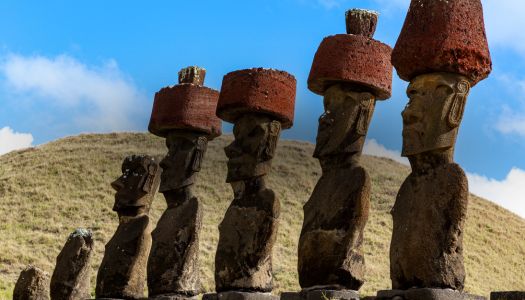
- Easter Island Mysteries
- Dining with Chilean Families
- Magdalena Island
10-Day Chile Cultural Experience
3 Sites USD 4,138 p.p.- Balmaceda and Serrano Glaciers
- Valparaíso & Viña del Mar
- Magdalena & Marta Islands
4-Days in Santiago
1 Sites USD 1,295 p.p.- Wine Experience
- Moneda Palace
- Maipo Valley