

Climbing
As an adventure lover, you know that climbing mountains and walls is an amazing experience! While planning a trip abroad, you can organize a rock climbing escape or make your whole trip about it. It’s one of the best activities to appreciate nature and the environment in a place you haven’t experienced yet. If you choose Latin America, you can enjoy mountaineering in the Andes Mountains. There’s no doubt that you’ll love the experience.
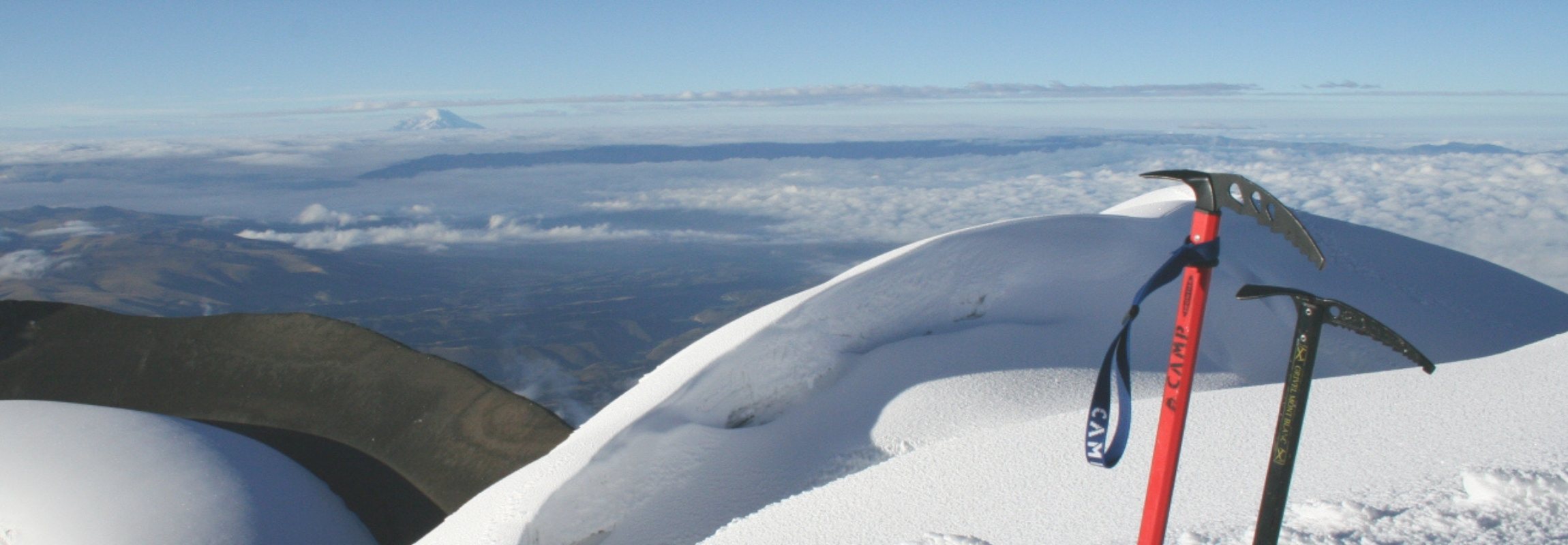
Rock climbers all over the world are searching for the next adventure. They really search for new emotions, routes, and paths to get to the top of the mountain or canyon. Getting to the top is an incredible feeling. For instance, in Ecuador, you can touch the clouds in the Andes Mountains. The feeling of being on a snowy active volcano surrounded by clouds is something you’ll never forget. However, climbing is a very demanding activity for all climbers. Not only in physical terms, but you also need mental strength.
When you climb, you challenge yourself.
To keep them over the edge, climbers need to grow self-reliance and confidence. Climbing offers the possibility of proving you can always push yourself in body and mind further with more complicated routes or different destinations.
How climbing sets your mind
Having a huge wall waiting for you to climb, or waiting for the climate to be good enough to start climbing a mountain, is a challenge. Not only a physical but also a mental one. Nevertheless, as you may know, it’s an incredible exercise that has its benefits, too.
Mental strength
Climbing requires you to have a strong mindset. After all, not all routes are super easy. Navigating routes demands that rock climbers judge their abilities, such as reach, strength, energy levels, and planning. Moreover, climbing demands that climbers have a clear and peaceful mind to judge the next move.
Climbing reduces stress
Rock climbing helps the body to produce norepinephrine, a neurotransmitter in the brain that helps to reduce stress. Climbing outdoors decreases stress levels because of the contact with nature, and exposure to the sun and vitamin D.
Climbing helps you conquer your fears.
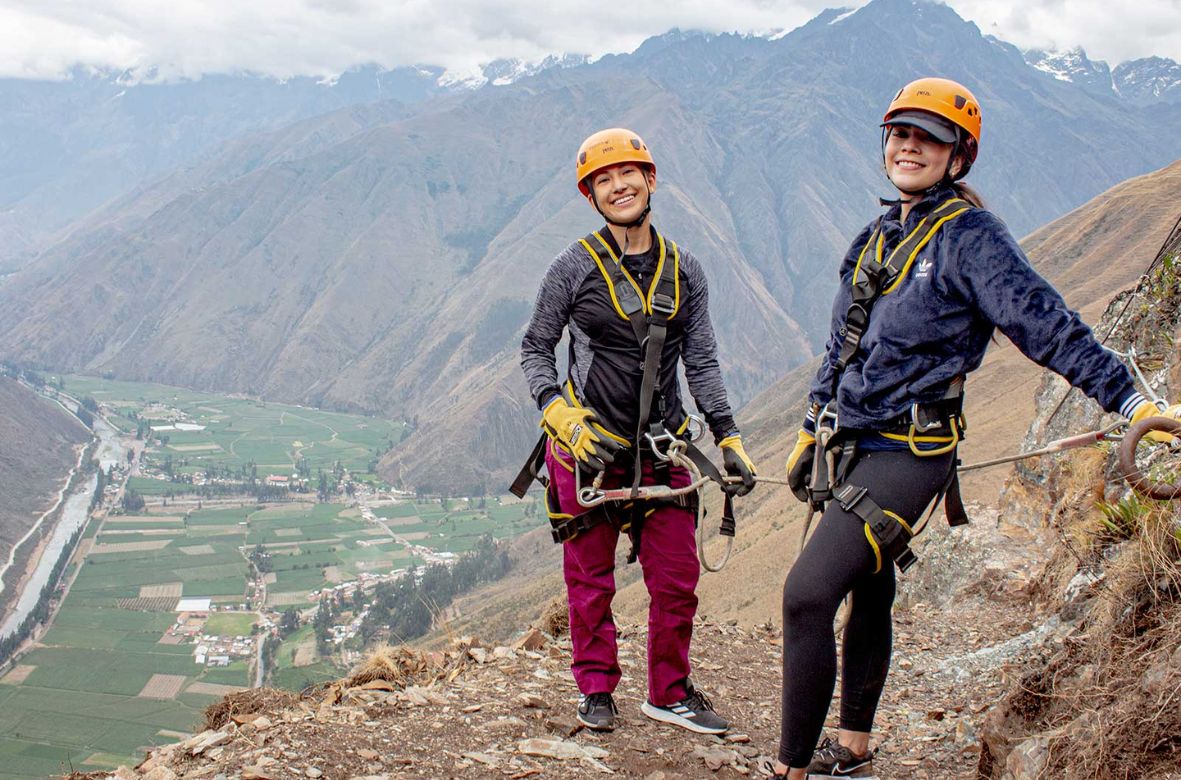
One of the greatest obstacles while climbing is fear. One of the most common of them is height. Therefore, rock climbing is a great way to conquer them. Climbers use harnesses as a safety measure, so if you lose balance or grip, you’re not going to fall. Conquering your fears is very empowering! So, once you get to the top of the mountain, you’re going to feel the world is yours!
How climbing sets your body
As a very demanding exercise, your body will tone up. So, here’s how your body will change when you start climbing.
Toned arm muscles
Your arms will become stronger. After all, you’re pulling yourself up a wall. Forearms and shoulders carry the most weight.
Carved back and neck
When you look up, down, and around, as you climb, the neck develops stronger muscles. Because of all the efforts of the upper part of your body, your back curves nicely.
Quick-witted thigh muscles
While climbing, your legs still work out. They are very important for the balance of the wall. Also, to reach the next point.
Cardio and strength into one single workout
During one session of rock climbing, the body performs several physical tests. Including building muscles, boosting heart rate, and developing stamina.
Increased flexibility
Climbing encourages its enthusiasts to increase their range of motion. It demands flexibility and adaptability as it requires you to reach, leap, and climb to handholds and footholds. They are usually far from a comfortable distance.
Featured Climbing Tours
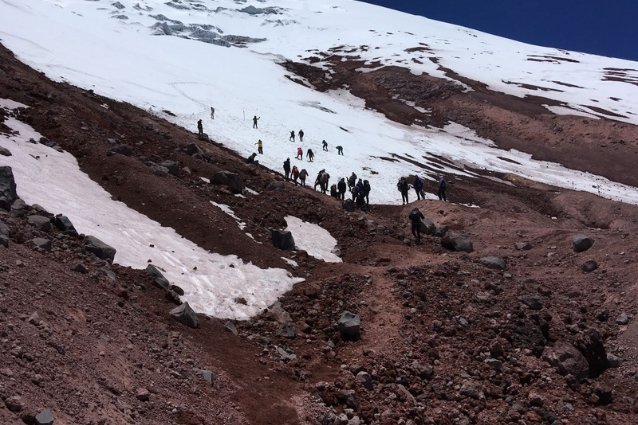
Immerse yourself in the world of vertical adventure with Rebecca Adventure Travel. Discover our featured climbing tours and have the journey of a lifetime. These tours will take you to breathtaking cliffs, majestic summits, and hidden gems off the beaten path. Embrace the challenge, push your limits, and witness the raw beauty of extraordinary destinations as you embark on an unforgettable climbing journey.
Tips for climbing abroad
Most rock climbers can’t settle for their climbing skills in their towns. Therefore, there’s a solution for finding a new challenge! And that would be finding a new climbing location or destination! So, to help you organize your trip better, here are a few tips.
Pick a location well-known for climbing.
If you choose a place known for climbing, you won’t have any problem planning your trip. You’ll have access to experienced guides, amazing routes, and interesting people. It makes it easier to cross barriers like language and culture. You all have the same objective.
Consider traveling on the fringe of the perfect visiting season.
This is only because you can avoid the crowded and more expensive season. Thanks to Ecuador’s weather conditions, it’s a year-round destination. So, you can come whenever it suits you. And when the tickets aren’t so expensive. Usually, it depends on the destination; if you want to climb Cotopaxi or Chimborazo, then each mountain has its particular climate. The good thing about this is that you can organize your trip during the low seasons.
Bring your climbing gear.
As rock climbers know, it’s better when you use your gear since you’re familiar with it. But if your travel consists of moving around, you’ll end up super tired. Pick the unique and most valuable items. For instance, your good old climbing shoes are essential, you’re familiar with them, you won’t get hurt, and you know how they perform.
Pick your climbing travel partners wisely.
Traveling can be stressful. Therefore, choose your climbing partner wisely, not only because you’re going to be all day long. But also, because you have to trust them in the decision-making while climbing.
Safety comes first
Do your research in advance on your destination’s weather and all conditions that can affect your mountaineering or rock climbing experience. Learn about the vaccines that you might need to get there. Also, inform yourself more about your insurance and coverage in foreign countries. At the same time, inform yourself about the nearby hospitals in the place where you’re going to climb.
Find where the local rock climbers hang out.
When you go to the same places that local climbers frequent, it’s more likely that you’ll find the most up-to-date information. For instance, climbing areas, routes, weather, and other tips. Climbing areas are constantly growing and changing, since it’s all new to him, you’ll need the most accurate information.
Have a rest day
Enjoy the whole destination! You need to rest, and during those days, you can immerse yourself in the country. Do something with the local community, and learn from them and their ways of living. After all, you traveled for the experience of the culture, to get to know other people!
Embrace being uncomfortable
Scared to try local food, dealing with language barriers, and experiencing uncertainty about your next destination? Is all part of the adventure. Try to make a safe decision so you don’t hurt yourself, but enjoy being in a new environment.
Climbing vs bouldering
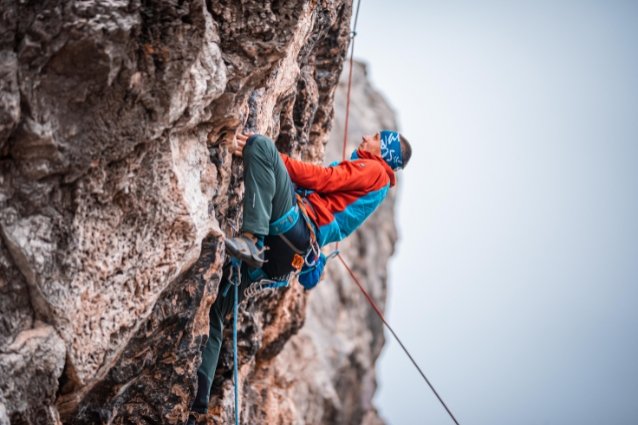
Most people ask about the differences between these two disciplines. Bouldering is indeed a type of rock climbing. However, bouldering refers to a specific type of climbing where you solve shorter routes that are known as problems on smaller rock formations. In bouldering, you’ll stay close to the ground, and you’ll climb without a rope or harness.
On the other hand, the term rock climbing refers to any style of free climbing and even bouldering. But, to be specific, rock climbing involves climbing up a crag using technical gear like a rope and a harness. Here are the major differences between rock climbing vs bouldering.
Gear
As mentioned above, the main difference between bouldering and rock climbing is the gear involved. For rock climbing, you’ll need climbing shoes, a harness, a chalk bag, a belay device, and so on. Besides, depending on the type of rock climbing, you might need more gear like cams, quickdraws, and nuts.
On the other hand, for bouldering, all you need are a pair of shoes, some chalk, and access to a crash pad. If you think about it, it is a lot cheaper. But traveling to another destination is more difficult since you need to carry your crash pad or make sure that you’ll have access to one.
Safety
Any fall in rock climbing is indeed controlled by all your ropes. On the other hand, in bouldering, your only real piece of safety equipment is your crash pad. When you’re bouldering, usually the distance is 10 to 15 ft (3-4.57 m) off the ground. On the contrary, in rock climbing, you’re 30 ft high at the top, so it’s further to fall if you lose your grip.
Pro tip: When bouldering, if you learn how to fall properly, you’re unlikely to cause any major damage. And in rock climbing, you can also reduce major injuries. So, the key is getting proper training and climbing with a clear head, no matter what.
Physical skills
Many climbers do both because they require different physical skills and therefore fulfill different components of their training. All types of rock climbing are a good workout, and both sports build a lot of strength. However, rock climbing usually requires a greater degree of endurance because routes are longer. Also, you have to distribute your strength more evenly throughout your body, using your legs, as well as your arms. The climbing routes will have parts that are easier and more difficult areas, and you can always rest a little on your harness when needed.
Meanwhile, bouldering problems are short and focus more on aggressive power. Moves to stay on the rock and complete the problem. While boulderers use their legs too, this sport requires upper-body strength.
Climbing Gear
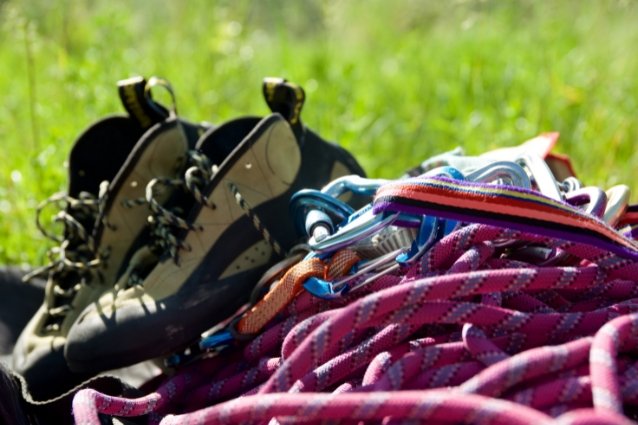
Depending on the type of climbing you’re doing, your gear is going to change. For instance, if you prefer boulder climbing, your gear is going to be some chalk and your shoes. But if you prefer rock climbing, then most likely you’ll need a good harness, helmet, shoes, rope, carabiners, and so on. On the other hand, if you like mountaineering, then you’ll have other types of equipment. So here’s a quick list of the gear you might need. Please keep in mind that all the gear might change depending on the destination, weather conditions, and type of climbing you choose.
Ropes
Ropes are essential equipment. There are only a couple of circumstances where a rock climber won’t need them. When you’re bouldering or you’re free soloing, which only a small fraction of climbers pursue. Otherwise, ropes are very important for every type of climbing. With proper use of your other equipment, the climbing ropes will be a lifesaver if you slip or fall off.
You also have to know how to use them, and how they work with other apparatus. Most centers offer tutorials so you can get to grips with them. If you want to buy your rope, then there are some factors to consider:
- Rope type
- Diameter
- Length
- Rope features
- Safety ratings
Harness
To buy a good harness, you have to consider two things: how much you want to spend, and what type of climbing you intend to do. If you’re into trad, sport, winter, or indoor climbing, then versatility and comfort should be your priority. Also, it’s going to serve you in multiple disciplines. It’s recommended that you own the gear that you’re going to use regularly. But if you need something more specific, then you can rent it.
Ideally, the harness should work perfectly with your clothing so you can have a full range of motion. Some key features to look for are padding, extra-wide webbing, ventilation, and moisture transport. Since the purpose of the harness is to keep you safe, you need to examine it for defects or damage when you’re buying one or when you’re hiring one. Also, you have to have a perfect fit in your harness.
Belay device
This is one of the first pieces you’re going to buy if you do rock climbing, trad, or sport climbing. It’s a mechanical friction brake used to protect climbers from falls or lower them from an ascent. The belay provides multiple friction points, meaning the belayer doesn’t have to hold the climber’s full weight as they ascend. It’s recommended to practice in a controlled environment first with the help of a climbing instructor. Learn more about the right belay devices.
Carabiners
They’re climbing clips. It’s a device in which you can attach things without risking them becoming detached. So, in climbing, they are used for all sorts of purposes. For example, connecting ropes with other pieces of equipment like nuts, camming devices, and bolts. Carabiners, ropes, and harnesses are crucial gear for rock climbers and their safety. Thus, you should invest in carabiners with a long-standing reputation for quality and strength. When choosing them, you have to choose the shape, gate type, size, weight, and strength.
Quickdraws
The quickdraws are made from two carabiners connected by a textile sling. Their main purpose is to attach one end to a bolt hanger on a route and the other to the rock climber’s rope. This gives climbers slack on the rope by allowing the rope to move around while remaining attached to the bolt hanger.
Climbing helmets
One of the hazards of rock climbing is that occasionally, rock faces and mountains fracture, thus stones, rocks, or boulders tumble down below. Therefore, a good helmet is a key piece for practicing climbing. Some helmets are also designed to protect climbers in the event of a fall. Helmets should fit snugly and sit flat on your head, but not feel too tight. You can consult with experts about the fitting. Besides, a climbing helmet shouldn’t obstruct your line of sight up the wall.
Shoes
Climbing shoes are an essential part of this sport. Climbing shoes are known for their tight fit, thin material, rubber soles, and outer edges. This design gives your foot the best grip on the wall you stand on and holds you wouldn’t be able to with other shoes or barefoot. Since they’re so important, choosing the right ones for you is like a science. It is not like the best on the market, or the most expensive, could be the best ones for you.
Other gear
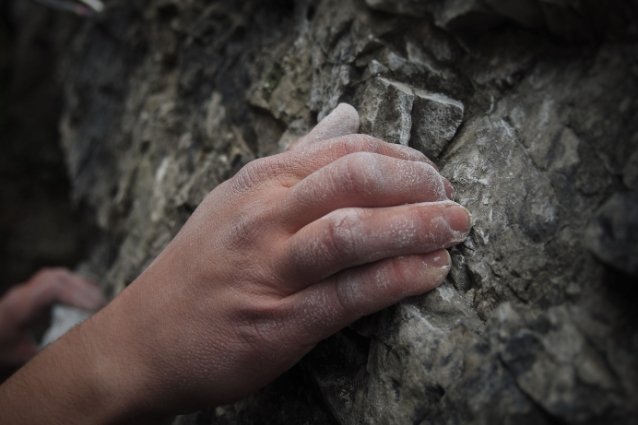
Chalk and chalk bags are super important because they give your hands the grip you need. At the same time, they keep your hands dry from sweat and moisture. Some climbers prefer different types of chalk-like blocks, loose, or liquid. All that counts when choosing chalk is your personal preferences.
When choosing clothes
There’s no guide referring to what to wear when you go climbing. But there are a few things to keep in mind when choosing them.
- Flexibility. You’ll need a full extension of arms and legs so you can reach far-flung feet and handholds.
- Lightweight fabrics and abrasion resistance. If you go rock climbing, you need some type of fabric that can resist hard rock faces.
- Slim fit. Avoid baggy clothes that can interfere with your movement or that could get caught up in the rope. Also, think about your harness and choose clothes that can fit easily under your harness and protect your skin.
Mountaineering gear
If you’re into mountaineering, then you’ll have to be prepared for other conditions and circumstances. Also, the trip is going to be different. For example, maybe the mountain you’re going to need a day or some time for acclimatization, so you’ll need camping gear. If the mountain is snowy, then you’ll need the right clothing. So, here’s a small list of mountaineering equipment, or you can see a more detailed list of mountaineering gear.
Mountaineering boots
They are very important. They give you traction and stability for traveling on rocky terrain, also they keep you warm and require you to attach crampons for climbing snow and glaciers. There are different characteristics to consider when choosing the right mountaineering boots, like the flexibility of the sole, insulation for frigid temperatures, and other features. As mentioned before, choose wisely.
Crampons
About this gear, you can choose the ones made out of steel or aluminum. Although steel crampons are heavy, they are strong and durable, le which is why most mountaineers choose them. In contrast to aluminum, crampons are much lighter but also less durable. And don’t forget that they have different binding types. You have to make sure that they suit you well.
Climbing helmets for mountaineering
Most standard rock climbing helmets are suitable for mountain climbers. But the one thing you have to take into account is that they have clips for attaching a headlamp.
Ice axes for mountain climbing
When choosing an axe, you need to consider the size and activity to compare the lengths, weights, and shapes. The most popular way to find the correct length of the ax is to hold the ax at your side with your hand and the shaft pointing down while standing relaxed. The spike of the ax should reach your ankle bone when you stand fully upright with your arms at your sides. You can always learn more about how to choose the right axe.
Climbing sites in Ecuador
There are different places where you can go climbing in Ecuador, and depending on your preference, you can try different styles also in the Andes Mountains. For example, the Chimborazo volcano is the closest mountain to the sun. Ecuador also has the Cotopaxi volcano, which is active. When you book a tour with Rebecca Adventure Travel, you can choose where to go and get a tailor-made trip. You won’t have to worry about the equipment, getting in contact with a professional guide, or any other logistics matters.
Cotopaxi volcano
Having 19,347 ft (5,897m), the Cotopaxi is the second-highest mountain in Ecuador’s Andes Mountains.d is one of the highest active volcanoes in the world. Thousands of mountaineers come to Ecuador to reach its summit. Cotopaxi is located on the “Avenue of Volcanoes,” named by the German Naturalist Alexander von Humboldt in the 19th century. This climb is one of the most popular because of its views of the crater. Although it is not very technical, because of its height, you need to be in good physical shape. The best months to climb are from December to April. As for the conditions here, the Cotopaxi is crevassed up to the summit. The crevasses are spectacularly large and easy to avoid, but be aware of snow bridges.
Chimborazo volcano
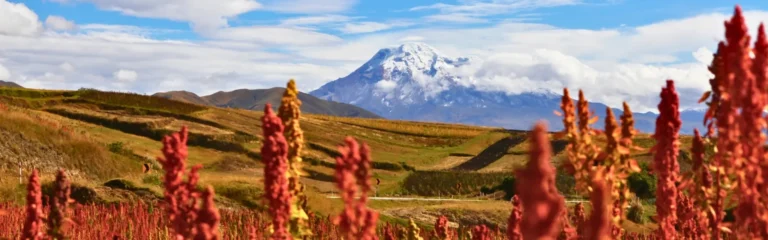
Chimborazo is the highest volcano in Ecuador at 20,565 ft (6,268.2 m). Also, it is the closest point to the sun thanks to its location on the equator. If climbers have good weather, they will be rewarded with an incredible view of other peaks of the Andes Mountains, such as Cotopaxi, El Altar, and Sangay. It’s recommended that climbers spend some time at high altitudes to acclimate their bodies. Chimborazo is climbable all year round. However, the best climbing months are June, July, and December through early January. February to May is known for bad weather, especially in April. There are many routes to get to the summit, each one of them with its particularities and difficulties.
Cayambe volcano
Cayambe is a huge glaciated extinct volcano part of the Andes Mountains. Also, it has the third-highest peak in Ecuador at 18,996 ft (5,790m). Even though it is not really difficult to climb, it’s dangerous because of active glaciers, crevasses, and avalanches. Snowstorms and high winds are more frequent on Cayambe than on other peaks in the Andes Mountains of Ecuador. It can be climbed all year round, but it’s said that the best months are October through January. Weather conditions here change very rapidly. Some of its Glaciers are very active with many seracs and extremely crevassed, which are hidden with fresh snow; therefore, it is very dangerous.
5 Rock climbing sites in Ecuador
If what you like is rock climbing, then you have to try at least one of these places.
1. Cuyuja
Located in Napo Province, close to Quito, there are rock climbing routes with heights up to 246 ft (74.98m). This route is high-level, meaning you need a certain level of preparation and resistance.
2. La Rinconada
La Rinconada is located in Imbabura province. It’s one of the most visited sites by rock climbers. It has different routes that go from medium to high difficulty, up to 98.5 ft (30m). This incredible site is surrounded by incredible vegetation and views.
3. Cocha Uma
This rock wall is part of the Illinizas Ecological Reserve. In Cocha Um, there are more than 30 routes to enjoy the adventure of the Andes mountains. The best climbing season here goes from March to September, then is ideal for summertime activities. Sudden weather changes are very usual he,r e so bring proper gear and clothing.
4. Cojitambo
This is one of the three sacred mountains for the Cañari people. Here are more than 60 climbing tracks designed for different difficulty levels. There are walls up to 525 ft (160m) that you can climb in the southern Andes Mountains in Ecuador.
5. Tangan columns
In Cotopaxi province, there is not only the Cotopaxi volcano. But also the column Tangan that has 1,312 ft (399.89 m) in height. It’s a magnetic and mystic area, currently one of the best places to practice fissure climbing. When you touch the Earth, you can feel the heart of the Earth pumping. It’s a reminder of a long-ago extinct volcano that formed a crescent moon shape.
No matter what type of climbing you choose, you’re going to enjoy the route, the Andes Mountains, and the views.
Frequently Asked Questions
What kind of climbing can be done in the Andes Mountains with Rebecca Adventure Travel?
In the Andes Mountains, you can enjoy mountaineering, including climbing active volcanoes like Cotopaxi and Chimborazo in Ecuador.
Does Rebecca Adventure Travel offer specific climbing tours?
Yes, Rebecca Adventure Travel offers various climbing tours, such as the ‘9-Day Active Andes Expedition’ and the ‘9-Day Colonial Quito & Andes Adventure,’ which combine climbing with other activities like hiking and biking, as well as a ‘6-Day Hiking Ecuadorian Andes’ tour.
Are there rock climbing sites in Ecuador?
Yes, Ecuador has several rock climbing sites, including Cuyuja, La Rinconada, Cocha Uma, and Cojitambo, which offer routes of varying difficulties.
What should be considered when planning a climbing trip abroad?
When planning a climbing trip abroad, it’s recommended to choose a well-known climbing location, consider traveling during the fringe of the perfect visiting season to avoid crowds and high prices, and bring your essential climbing gear.
What safety precautions are important for a climbing trip?
For safety, it’s important to choose your climbing partners wisely, prioritize safety by researching weather conditions and necessary vaccines, and learn about nearby hospitals.