

Ecuador Frequently Asked Questions
Welcome to our Ecuador Travel Questions page, your comprehensive guide to everything you need to know about this captivating country. Whether you’re interested in Ecuador facts, planning an adventure to the Andes Mountains, or curious about activities to try, we have all the essential information. This selection of questions covers key facts about Ecuador, providing insightful details about the country’s diverse landscapes, rich cultural heritage, and fascinating history. Whether you’re exploring facts on Ecuador, seeking tips for your next trip, or simply discovering fun facts about Ecuador, you’ll find everything you need to plan your perfect Ecuadorian getaway.
Ecuador Travel Questions: General Information
Where is Ecuador located?
Ecuador is located in northwestern South America. It is bordered by Colombia to the north, Peru to the east and south, and the Pacific Ocean to the west. The country’s name, which means “equator” in Spanish, is a direct reference to its location, as it is one of the few countries in the world that is crossed by the equator.
What is Ecuador known for?
Ecuador is known for its stunning diversity, from the Amazon rainforest to the Galapagos Islands and the Andes mountains. It’s a country of contrasts, with both highland villages and coastal cities offering unique experiences. Ecuador is also famous for being one of the world’s megadiverse countries, with rich wildlife and lush landscapes. When answering Ecuador travel questions, you’ll find that its small size doesn’t limit its vast offerings—from vibrant Ecuador facts about culture, food, and nature to the unique facts about Ecuador that make it a must-visit destination.
What language do they speak in Ecuador?
– The official language is Spanish.
– While you’ll find English speakers in tourist-centric areas, learning some basic Spanish phrases will greatly enhance your experience and interactions with locals.
What currency does Ecuador use?
– The official currency of Ecuador is the US Dollar (USD).
– It’s a good idea to carry small bills ($1, $5, $10, $20) as many places, especially in rural areas, may not be able to break larger notes.
What are some interesting facts about Ecuador?
Here are a few facts on Ecuador that travelers find intriguing:
– Ecuador is home to diverse ecosystems within a small landmass, from Amazon jungles to snowy peaks in the Andes.
– The Yasuni National Park in the Amazon Basin is one of the most biodiverse places on the planet.
– Ecuador was the first country in the world to recognize the rights of nature in its constitution.
– The Mitad del Mundo monument marks the Equator’s midpoint, a popular spot for photos and fun facts about Ecuador’s geography.
These facts about Ecuador make it an exciting place to explore, whether you’re keen on nature, history, or culture.
What are some of Ecuador’s most famous dishes?
Ecuadorian cuisine is a delicious blend of influences from its diverse regions—the Andes highlands, the Pacific coast, and the Amazon rainforest. Here are five of the top traditional dishes you must try:
– Encebollado: Widely considered Ecuador’s national dish, this hearty and invigorating fish stew is especially popular along the coast. It’s made with fresh albacore tuna, yuca (cassava root), pickled red onion, tomato, cilantro, and spices. Often served with a side of chifles (plantain chips) and a sprinkle of popcorn, it’s a favorite for curing hangovers.
– Locro de Papa: This is a classic comfort food from the Andean highlands. Locro de Papa is a thick, creamy potato soup that gets its unique flavor from a base of cheese and annatto seed. It’s typically served with slices of avocado and toasted corn kernels, making it a perfect, warming meal for a chilly evening in Quito or the surrounding mountains.
– Ceviche: While ceviche is a popular dish throughout Latin America, Ecuador’s version is distinct. Rather than being just a plate of citrus-cured seafood, Ecuadorian ceviche is often served in a soupy, tomato-based marinade. The most popular version is ceviche de camarón (shrimp ceviche), which features boiled shrimp mixed with lime juice, tomato sauce, cilantro, and red onions.
– Llapingachos: Another staple of the highlands, these are fried potato patties stuffed with cheese. The name llapingacho comes from a Kichwa word meaning “to crush,” a reference to the mashed potato base. They are typically served as a side dish, often with a fried egg, a slice of avocado, and a savory peanut sauce.
– Fritada: This traditional dish is a pork lover’s delight. Fritada consists of bite-sized chunks of pork that are cooked in water with spices and orange juice until the liquid evaporates, then fried in their own fat until golden and crispy. It’s served with a variety of sides, which can include mote (hominy), fried plantains, potatoes, and a fresh salad.
What are some fun facts about Ecuador?
Here are some fun facts about Ecuador that might surprise you:
– Ecuador is one of the few countries in the world to be named after the Equator.
– Ecuador’s currency is the US Dollar, making it an easy destination for travelers from the United States.
– The country is home to the Galapagos Islands, which inspired Charles Darwin’s theory of evolution.
– Ecuador is known for its volcanic activity, and the Cotopaxi volcano is one of the highest active volcanoes in the world.
These facts on Ecuador not only highlight its geographical
Ecuador Travel Questions: Travel Essentials
What is the best time to visit Ecuador?
Ecuador’s climate is highly dependent on its region and doesn’t follow traditional four-season weather. The “best” time to visit truly depends on which part of the country you want to explore.
Here’s a quick guide to Ecuador’s weather by region:
– The Andes Highlands (Quito & Cuenca): You can expect a mild, spring-like climate year-round. The dry season (June – September) is ideal for hiking and clear-sky views of volcanoes. The wet season (October – May) brings afternoon showers but is also a great time to visit, as mornings are often sunny.
– The Pacific Coast: This region has a hot and humid climate. The hot, wet season (December – May) is perfect for beach-goers and water activities, while the cooler, dry season (June – November) is great for surfing and spotting wildlife.
– The Amazon Rainforest: It’s hot and wet all year, but with a slight difference. The “drier” season (August – March) has less intense rainfall and makes jungle trails easier to hike. The rainy season (April – July) means higher water levels, which is perfect for exploring by canoe.
– The Galápagos Islands: The climate is divided into a hot, wet season (January – May), which is best for snorkeling and diving in warmer waters, and a cooler, dry season (June – December), which is perfect for spotting marine wildlife, as the cold currents bring abundant food.
For an optimal experience, travel in the time of year no one else does. It’ll be more responsible with the environment and the communities when there aren’t crowds, and you’ll have the place to yourself!
What kind of gear should I pack for my trip to Ecuador?
Ecuador’s diverse climate requires packing in layers.
– For the Highlands: Bring warm layers (fleece, down jacket), a waterproof jacket, and comfortable hiking boots.
– For the Amazon: Pack lightweight, long-sleeved shirts and pants to protect against insects, a rain poncho, and sturdy sandals or rubber boots (many lodges provide these).
– For the Coast & Galápagos: Lightweight, breathable clothing, swimwear, reef-safe sunscreen, and a hat are essential. A general packing list should also include strong insect repellent, a first-aid kit, and a reusable water bottle.
What is the best way to get around Ecuador?
For independent travelers, public transportation via buses is a very affordable and popular option. However, for a more efficient and comfortable experience, we recommend using pre-arranged private transportation, which we can organize as part of your tour package. Within major cities, taxis and ride-sharing apps like Uber are readily available. For the safest option, it’s best to use a registered service or a taxi called by your hotel.
What kind of vehicles can I drive with Rebecca Adventure Travel?
Rebecca Adventure Travel works with reputable car rental agencies like Localiza and Avis to provide a range of vehicles to suit different travel styles and budgets. The vehicles are categorized into tiers to help you choose the best option for your journey through Ecuador’s diverse landscapes.
Ecuador Travel Questions: Vehicle Tiers Explained
– Standard: This category includes compact SUVs like the Kia Sonet and Suzuki Grand Vitara SZ. These are excellent choices for couples or small groups who plan to stick to well-maintained roads and major cities. They are economical and easy to maneuver, making them perfect for urban exploration and day trips.
– Premium: For travelers seeking a balance of comfort and capability, the Premium tier offers vehicles such as the Kia Seltos and Kia Sportage. These SUVs provide more space, a smoother ride, and the versatility to handle a wider range of roads, including those leading to more rural or off-the-beaten-path destinations.
– Premium+: This top-tier category is designed for adventurers who need maximum space, power, and rugged reliability. The Premium+ fleet includes robust vehicles like the Hyundai Santa Fe, Chevrolet Trailblazer, and Toyota Fortuner. These are ideal for families or groups with a lot of luggage, or for those planning to explore more challenging terrain, such as remote mountain roads or the ascent to volcanic parks.
In how many languages can your guides speak in Ecuador?
At Rebecca Adventure Travel, we strive to make your experience as comfortable and informative as possible. Our core team of guides is fluent in English, Spanish, and Dutch.
However, we understand that clear communication is essential for a great trip. For this reason, we are dedicated to finding a guide who can speak any language you need for your tour. Whether you require a guide who speaks French, German, Italian, or another language, we will make every effort to arrange this for your trip.
Simply let us know your language preference when you book, and we will do our best to accommodate your request and ensure a seamless travel experience.
Can you accommodate dietary restrictions or food allergies?
Yes. Please inform us of any dietary restrictions or allergies when you book your trip. We will make every effort to communicate your needs to the hotels, restaurants, and guides on your itinerary. Ecuadorian cuisine often features staples like rice, potatoes, corn, and fresh fruit, making it relatively easy to find suitable options, but advance notice is always appreciated to ensure a smooth dining experience.
What kind of accommodations can I expect on my tour?
Our travel plans include a variety of accommodations, from charming colonial hotels and boutique family hotels in the cities to comfortable eco-lodges in the Amazon and on the coast. We carefully select our partners based on their quality of service, location, and commitment to sustainable tourism, ensuring a pleasant and authentic experience.
What are the regulations on what I can bring into Ecuador?
Ecuador has specific customs regulations to protect its economy and unique biodiversity.
– Drones: Drones are permitted, but there may be specific size and weight restrictions.
– Electronics: Tourists can generally bring in a reasonable amount of electronics for personal use without paying duties, but there may be limits on the number of each item (e.g., two cameras, one laptop).
– Food Items: Be cautious with food. Processed and properly sealed food is generally okay, but it is prohibited to bring fresh or dry meat, uncanned meat products, or all types of plants and vegetables without prior permission from the Ministry of Agriculture.
– Forbidden Items: It is strictly illegal to bring in firearms, ammunition, illegal drugs, and other dangerous materials.
– Export Restrictions: It is also a serious offense to take out pre-Columbian artifacts, as well as any animal products (including coral, bones, or live animals) from Ecuador.
Ecuador Travel Questions: Health and Safety
Is Ecuador safe to visit?
Ecuador is generally a safe destination for tourists, but it’s important to take the usual precautions. Ecuador travel questions often concern safety, especially in urban areas. Travelers should be cautious in big cities like Quito and Guayaquil where petty crime can occur. However, many tourists feel secure in popular areas like the Galapagos Islands and Cuenca, known for their peaceful atmosphere and cultural significance. Always stay informed about current safety facts about Ecuador through trusted sources before traveling.
What should I do in case of a medical emergency or accident in Ecuador?
Knowing what to do in an emergency can make a critical difference. Here are the key steps to take if you are involved in an accident or face a medical issue while traveling in Ecuador.
1. Call the Emergency Number:
The national emergency number is 911. This single number connects you to all emergency services: police, ambulance, and fire department.
While operators primarily speak Spanish, you may be able to request an English-speaking operator, but it’s not guaranteed. Be prepared with some basic Spanish phrases to describe your location and the nature of the emergency.
2. Contact Your Embassy or Consulate:
Inform your country’s embassy or consulate of the situation. They can provide guidance, help you communicate with local authorities and medical staff, and assist with finding legal or medical services.
3. Seek Medical Attention:
In major cities like Quito, Guayaquil, and Cuenca, hospitals offer a high standard of care.
Public hospitals are legally obligated to treat all patients, including tourists, for free in an emergency. However, they are often crowded, and the quality of care can vary.
Private hospitals and clinics typically offer faster, higher-quality care, but you will need to pay.
Important: Outside of major cities, medical facilities may be very basic and limited. In a serious emergency, you may need to be medically evacuated to a larger city or even back to your home country.
4. Contact Your Travel Insurance Provider:
This is a crucial step. It is highly recommended to have comprehensive travel insurance that includes emergency medical and medical evacuation coverage.
Contact your insurance provider as soon as possible. They can guide you through the process, authorize direct payment to the hospital (if your policy allows), and arrange for any necessary medical evacuation.
Keep all receipts, medical reports, and documentation related to the incident, as your insurance company will require them for any reimbursement claims.
5. Report the Incident to the Police:
For any crime or traffic accident, you should file a police report. This is often required for insurance claims.
Ecuador has a special Tourist Police (Policía de Turismo) in major cities who are trained to assist foreign visitors. You can ask for their help at your hotel or local police station.
Are there any local customs or etiquette rules I should be aware of?
Yes, understanding local customs can greatly enhance your interactions with Ecuadorians.
Greetings: A handshake is the common greeting. Friends and family often greet each other with a kiss on the cheek.
Punctuality: Time can be a bit more flexible in Ecuador, a concept sometimes referred to as “Ecuadorian time.” While this doesn’t apply to scheduled tours or professional services, be prepared for more relaxed timing in social situations.
Respect for Elders: It is considered respectful to greet and show deference to elders.
Photography: Always ask for permission before taking a photo of a person, especially in indigenous communities, as it is considered respectful and culturally sensitive.
Ecuador Travel Questions: Activities and Attractions
What are the must-see attractions in Ecuador?
Ecuador offers a variety of must-see attractions that cater to all kinds of travelers. From the unique Galapagos Islands, home to abundant wildlife and clear waters, to the Cotopaxi National Park, where you can explore active volcanoes, there’s something for everyone. Ecuador’s historical cities like Quito and Cuenca are UNESCO World Heritage sites, while Ecuador facts about these cities will reveal their rich history and culture. Don’t miss Banos, famous for its hot springs, and the Amazon rainforest, perfect for eco-tourism enthusiasts.
What to do in Ecuador?
Ecuador offers an incredible variety of experiences packed into a small country. From the unique wildlife of the Galápagos Islands to the majestic Andes and the lush Amazon rainforest, here are five top activities that represent the country’s diverse appeal:
– Explore the Galapagos Islands: This is often the primary reason people visit Ecuador, and for good reason. The Galapagos are a volcanic archipelago teeming with unique and fearless wildlife, including giant tortoises, marine iguanas, blue-footed boobies, and sea lions. You can take a multi-day cruise to hop between islands or stay on one of the inhabited islands and take day trips to see the natural wonders.
– Discover the Amazon Rainforest: While the Amazon spans several countries, Ecuador offers one of the most accessible and biodiverse sections. You can take a tour from towns like Tena or Coca and stay in an eco-lodge. Activities typically include guided jungle treks to spot monkeys, sloths, and exotic birds, as well as canoe trips to see caimans and pink river dolphins.
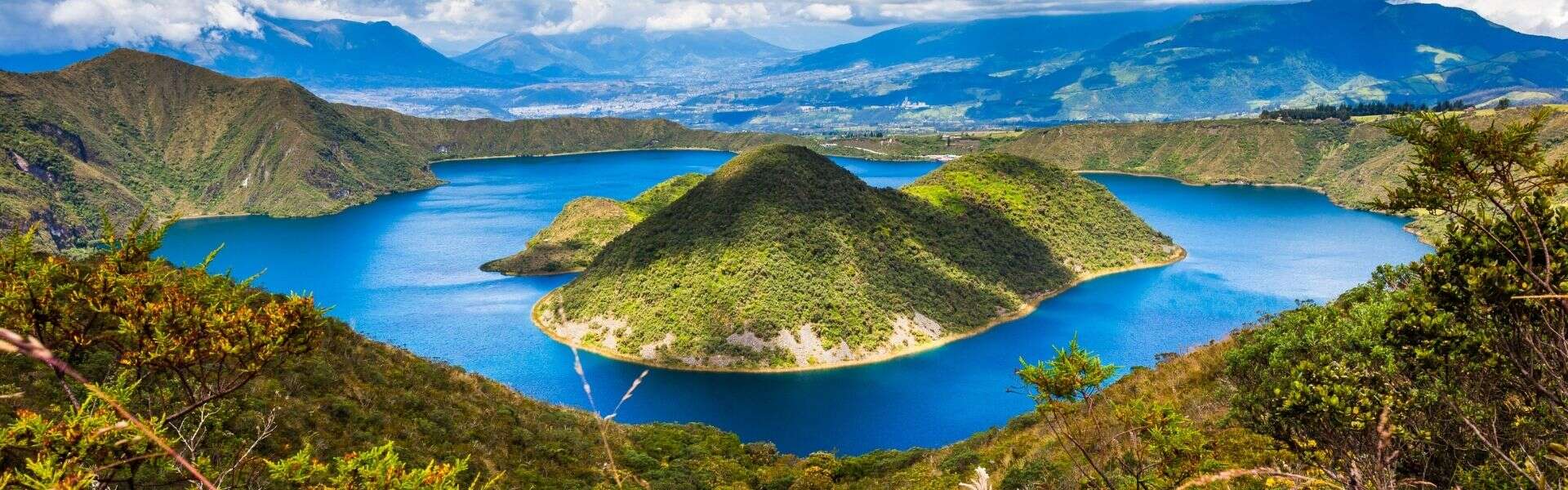
– Hike the Quilotoa Loop: This multi-day trek in the highlands is a favorite among hikers. The main draw is the stunning Quilotoa crater lake, with its electric-blue water. The loop takes you through remote, traditional villages, giving you a glimpse into rural Andean life. Even if you don’t do the full trek, you can take a day trip to the rim of the crater for breathtaking views.
– Visit the Historic Center of Quito: Ecuador’s capital is a UNESCO World Heritage site and a cultural gem. Spend a day (or more) wandering through the well-preserved colonial streets, visiting stunning churches like the Basilica del Voto Nacional and the Church of the Society of Jesus, and exploring vibrant plazas. Don’t miss a trip to the Mitad del Mundo monument, which marks the equator.
– Seek Adventure in Baños: Known as Ecuador’s “adventure capital,” Baños de Agua Santa is a hub for outdoor activities. Here, you can go white-water rafting, canyoning, ziplining, or try the famous “Swing at the End of the World.” The town is also known for its volcanic hot springs, perfect for relaxing after a day of adventure.
What are the best places to camp in Ecuador?
Ecuador offers fantastic camping opportunities across its diverse regions, but it’s essential to camp responsibly, often in designated areas.
– In the Highlands: This is the most popular region for camping. Highlights include – Cotopaxi National Park for its epic volcano views and Quilotoa for camping by its stunning crater lake. Be prepared for cold, high-altitude conditions.
– On the Coast: You can find tranquil beachside camping in places like Ayampe and Mompiche, which are great for a relaxed, warm-weather experience.
– In the Amazon: Camping in the Amazon is a serious adventure and should only be done with a professional guide or as part of an organized tour. Areas like Cuyabeno Wildlife Reserve and Yasuni National Park offer incredible, guided jungle camping experiences to safely explore the ecosystem.
– Key Camping Rules: Always camp in designated areas, especially in national parks, where it may be required to register. Never light campfires, and follow “Leave No Trace” principles to protect Ecuador’s beautiful and fragile environment.
What are the most important public holidays and festivals in Ecuador?
Ecuador has a number of national holidays that can impact travel. The most significant are Carnival (February/March), Holy Week (Easter, March/April), All Souls’ Day (Día de los Difuntos, November 2), and New Year’s Eve (Año Viejo, December 31). Be aware that many of these holidays are celebrated over a long weekend, so plan your itinerary accordingly.
Will traveling during the holidays be more expensive?
Yes. Traveling during peak holiday periods generally means higher prices for flights, hotels, and tours due to increased demand. Expect to pay a premium and book early to secure availability and better rates.
Ecuador Webinar
Take a look at our webinar about traveling to Ecuador. See all the awesome destinations that Ecuador has to offer. After reading these Ecuador FAQs, complete your knowledge with this amazing webinar.
Ecuador Travel Questions: Amazon Rainforest
How can I travel from Quito to the Amazon?
There are two primary ways to travel from Quito to the Ecuadorian Amazon, each with its own trade-offs in terms of time, cost, and comfort. The best option for you depends on your budget and how much time you have.
The most common entry points for the Amazon from Quito are the cities of Coca (officially Puerto Francisco de Orellana) and Tena. Coca is the main gateway for deep-jungle lodges and cruises, while Tena is more of an adventure tourism hub known for rafting and kayaking.
1. By Air (Fastest and Easiest)
– Flying is the quickest and most convenient way to reach the Amazon from Quito.
Destination: Most flights from Quito’s Mariscal Sucre International Airport (UIO) go to Coca (OCC).
– Airlines: The main airlines operating this route are LATAM Airlines and Aeroregional.
– Flight Time: The flight is a short and scenic journey, lasting only about 35-45 minutes.
– Cost: Round-trip flights typically range from $180 to $300 USD, with prices varying based on how far in advance you book. Booking well ahead of time is recommended.
– From the Airport: Upon arrival at the small airport in Coca, most Amazon lodges and tour operators will have staff waiting to transport you to the river. From there, you will take a motorized canoe ride—which can last anywhere from 30 minutes to several hours—to your specific lodge.
2. By Bus (Cheaper but Longer)
– Traveling by bus is a more budget-friendly option and gives you a chance to see the landscape change from the high-altitude Andes to the lush jungle.
– Destination: The two main bus routes from Quito’s Quitumbe Bus Terminal are to Tena or Coca.
– To Tena: The bus ride from Quito to Tena takes about 4 to 6 hours. This is a popular route for travelers interested in a more independent experience, as Tena has many budget-friendly tour operators and a more relaxed atmosphere.
– To Coca: The bus trip to Coca is longer, generally taking around 8 to 10 hours. It’s a long journey, often done overnight.
– Cost: Bus tickets are very affordable, typically costing between $8 and $20 USD one-way.
– From the Bus Terminal: You will need to take a taxi or other local transport from the bus terminal in Tena or Coca to your final destination or to the river docks to meet your tour.
What should I know before traveling to the Amazon in Ecuador?
Before visiting the Ecuadorian Amazon, make sure to check your passport validity (6 months), and understand that most tourists can stay for 90 days. It’s essential to confirm your international flights and bring small denomination bills, as US dollars are the local currency. Ecuador travel questions often focus on safety, so it’s recommended to make photocopies of important documents like your passport and itinerary. Always carry your passport, as it’s required for various activities, including currency exchange and credit card payments.
How do I prepare for a trip to the Ecuadorian Amazon?
When preparing for an Amazon adventure, one of the first Ecuador travel questions to ask is what to pack. Light, breathable clothing, insect repellent, and sturdy shoes for walking are essential. Remember, the Amazon is a humid environment, so lightweight, moisture-wicking clothes are recommended. Always check for seasonal variations, as the rainy season can affect accessibility to certain areas.
How can I explore the Ecuadorian Amazon?
You can explore the Ecuadorian Amazon through guided tours, canoe rides, or on foot. Many travelers opt for eco-lodges along the Napo River, where expert guides lead you through the rainforest to spot wildlife and learn Ecuador facts about the ecosystem.
What wildlife can I see in the Ecuadorian Amazon?
The Ecuadorian Amazon is home to diverse wildlife, including monkeys, pumas, jaguars, and exotic birds like toucan and macaws. The region is one of the most biodiverse places on Earth, making it a must-visit for nature lovers.
How is the weather in the Ecuadorian Amazon?
The Ecuadorian Amazon is typically humid and hot year-round. The region experiences a rainy season from March to August, which can bring heavy showers, while the dry season (September to February) is more comfortable for travel.
What is the best time to visit the Ecuadorian Amazon?
The best time to visit the Ecuadorian Amazon is during the dry season (September to February), when rainfall is lighter, and it’s easier to explore trails and rivers. However, the rainy season is still accessible, especially for birdwatching. For an optimal experience, travel in the time of year no one else does. It’ll be more responsible with the environment and the communities when there aren’t crowds, and you’ll have the place to yourself!
Is the Ecuadorian Amazon safe for travelers?
Yes, the Ecuadorian Amazon is generally safe for travelers. To ensure safety, it’s recommended to visit with a guide and stay in eco-lodges. Always follow basic health precautions and consult with your guide about Ecuador facts related to wildlife and terrain.
Can I visit the Galapagos Islands after the Amazon?
Yes, after visiting the Ecuadorian Amazon, you can easily fly to the Galapagos Islands from Quito or Guayaquil, adding even more adventure to your Ecuador travel experience.
Are there any health precautions for visiting the Ecuadorian Amazon?
When traveling to the Ecuadorian Amazon, make sure to take health precautions like vaccinations, anti-malarial medication, and use insect repellent to protect against mosquito-borne diseases. Always consult with a travel health expert before visiting.
Ecuador Travel Questions: Andes Mountains
Can I visit the Galapagos Islands from the Andes?
Yes, Galapagos Islands can be easily accessed from Quito or Guayaquil by flight, making it a popular addition to an Ecuador travel itinerary. Combine your Andes adventure with a visit to the islands for a diverse trip.
Should I be worried about altitude sickness in Ecuador?
The Ecuadorian Highlands, or Sierra, are a stunning region of the Andes Mountains. With altitudes ranging dramatically, it’s a diverse landscape of volcanoes, bustling cities, and serene crater lakes. Here are some of the key destinations and their elevations:
– Quito: At 2,850 meters (9,350 feet) above sea level, Ecuador’s capital is one of the highest capital cities in the world. Its historic center is a UNESCO World Heritage site, offering a mix of colonial architecture and vibrant city life.
– Cuenca: Located in the southern highlands, this city is renowned for its well-preserved colonial architecture and cultural heritage. It sits at an elevation of about 2,500 meters (8,200 feet).
– Quilotoa: This breathtaking natural wonder is a crater lake with an incredible emerald-green hue. The village sits at a lofty 3,914 meters (12,841 feet), with a challenging but rewarding hike to the lake’s edge.
– Otavalo: Famous for its world-renowned indigenous market, this town is located north of Quito at an altitude of approximately 2,530 meters (8,300 feet).
– Chimborazo: Ecuador’s highest peak, Chimborazo, stands at an impressive 6,268 meters (20,564 feet). Due to its location on the equatorial bulge, its summit is the point on Earth’s surface farthest from the planet’s center. It is a popular destination for experienced mountaineers.
– Baños: Known as the adventure capital of Ecuador, Baños offers hot springs and thrilling activities. It’s situated at a lower altitude of about 1,820 meters (5,970 feet), nestled between the Andes and the Amazon.
– Cotopaxi: As the world’s highest active stratovolcano, Cotopaxi is a prominent landmark in the Ecuadorian Andes. Its summit reaches 5,897 meters (19,347 feet), and visitors can explore the national park, hike to a refuge, or even attempt a guided summit ascent.
Altitude sickness, or soroche as it’s known locally, can affect anyone traveling from a low-altitude area. It’s crucial to give your body time to adjust to the thinner air. Here are some tips to help you acclimatize and enjoy your trip safely:
– Listen to Your Body: Everyone’s body adapts differently. Pay close attention to how you feel. Symptoms like headaches, nausea, or dizziness are signs to slow down and rest. If symptoms worsen, it is a sign that you should descend to a lower altitude and seek medical advice.
– Stay Hydrated: Drink plenty of water. The dry, high-altitude air can dehydrate you quickly. Limit your intake of alcohol and caffeine, as both can worsen dehydration.
– Take It Slow: The first day in the highlands, especially in a city like Quito, should be for rest and gentle exploration. Avoid strenuous activities like hiking or the Quito Cable Car on day one.
– Eat Light: Opt for light, easily digestible meals during your initial days. Heavy or spicy foods can be harder to digest and may aggravate altitude sickness symptoms.
– Natural Remedies: Many travelers find relief by drinking coca leaf tea (mate de coca), a traditional Andean remedy that can help with oxygen absorption. You can find this at most hotels and local markets.
What are the must-see places in the Ecuadorian Andes?
Key destinations include Cotopaxi National Park, Baños for adventure activities, the Quilotoa Crater Lake, and Cuenca, known for its colonial architecture. These places are among the bucket list places to visit in Ecuador’s highlands.
What are some important Ecuador facts about the Andes?
The Ecuadorian Andes are home to some of the world’s most iconic volcanoes, like Cotopaxi and Chimborazo. Chimborazo is the farthest point from the Earth’s core, making it an intriguing fact about Ecuador for travelers.
What is the best time to visit the Ecuadorian Andes?
The dry season, from June to September, is the best time to visit the Ecuadorian Andes for hiking, exploration, and outdoor activities. The weather is pleasant, and it’s ideal for climbing volcanoes and trekking in the Cotopaxi National Park. For an optimal experience, travel in the time of year no one else does. It’ll be more responsible with the environment and the communities when there aren’t crowds, and you’ll have the place to yourself!
Is it easy to travel between cities in the Ecuadorian Andes?
Yes, traveling between cities like Quito, Cuenca, and Baños is relatively easy. There are regular bus services and guided tours, and many visitors opt for private transport to visit natural attractions while learning fun facts about Ecuador along the way.
Are there any unique cultural experiences in the Ecuadorian Andes?
The Ecuadorian Andes are rich in culture, with indigenous communities like the Kichwa and Shuar offering authentic experiences. Visit local villages to learn about ancient traditions, try local Andean cuisine, and discover the fascinating facts about Ecuador’s heritage.
How do I get around in the Ecuadorian Andes?
Traveling around the Ecuadorian Andes can be done by bus or private transportation. For a more immersive experience, guided tours are available. Popular routes connect major cities like Quito, Baños, and Riobamba for an easier journey across the region.
What are the best activities in the Ecuadorian Andes?
The Ecuadorian Andes offer a variety of activities for adventure lovers, from hiking and mountain climbing in Cotopaxi National Park to exploring local markets in Cuenca. Visitors can also discover Ecuador facts by visiting museums or historical towns.
What is the weather like in the Ecuadorian Andes?
The Ecuadorian Andes typically experience cool temperatures, especially in higher altitudes. Days are often sunny, but evenings can get chilly. The region has two main seasons: dry season (June to September) and rainy season (October to May).