
Wine Regions in Latin America: From Iconic Vineyards to Emerging Production Landscapes
A comprehensive guide to Latin America’s wine regions, including Argentina, Chile, Ecuador, and emerging producers. Learn how climate, altitude, and geography define wine production.
- By: Johanna Alvear

Wine regions in Latin America unfold slowly, revealed through changing landscapes rather than appellation signs. Vineyards appear where altitude tempers heat, where ocean air cools valleys, and where water can be coaxed across otherwise unforgiving terrain. Traveling through these regions is an exercise in understanding place: why vines exist here, how geography shapes production, and how history and experimentation converge in the glass.
For couples traveling together, these wine regions offer more than agricultural insight. They provide settings defined by space, rhythm, and landscape—places where long distances, mountain backdrops, and quiet valleys create a sense of shared discovery. This article explores Latin America’s wine regions through production, the role of each destination within the wine industry, and why these places resonate so strongly with couples seeking meaningful travel experiences.
Table of Contents
Argentina Wine Regions: Altitude, Scale, and International Recognition
Argentina emerged as Latin America’s most visible wine producer through scale, European influence, and an early understanding of how to harness Andean geography. Waves of European immigration in the nineteenth and twentieth centuries brought viticultural knowledge, while irrigation systems fed by mountain snowmelt made consistent production possible in arid landscapes. Over time, Argentina’s reputation grew from volume to quality, anchored by altitude-driven vineyards producing luxury wine.
Mendoza
Mendoza sits at the center of Argentina’s wine identity, synonymous with luxury wine. Its vineyards stretch along the Andean foothills, where elevation, intense sunlight, and controlled irrigation create reliable growing conditions. Mendoza is most closely associated with Malbec, the variety that came to define Argentina wines globally, thriving in the region’s high desert climate.
Why couples love it: Mendoza wine tours bring expansive vineyard estates, dramatic mountain views, and a sense of space that encourages unhurried exploration together.
Rebecca recommends: private tastings at iconic wineries such as Catena Zapata and Bodega Salentein, and pairing vineyard visits with refined stays like Cavas Wine Lodge or intimate country houses such as Posada Borravino. Experiences here blend wine with wellness, landscape, and quiet luxury.
Uco Valley
Southwest of Mendoza city, the Uco Valley represents a more recent evolution of Argentina wine regions. Vineyards here sit at higher elevations, closer to the Andes, where cooler temperatures and stony soils slow ripening and heighten site expression. The region is known for Malbec with greater freshness and mineral tension, alongside other luxury wine varieties benefiting from altitude.
Why couples love it: a more intimate, contemporary wine landscape where vineyards feel integrated into wild mountain terrain. Uco is a more off-the-beaten-path option for Argentina wine tours.
Rebecca recommends: immersive experiences at vineyards such as Zuccardi Valle de Uco (Paraje Altamira), paired with dramatic mountain views, often combining tastings with outdoor activities such as horseback riding or sunrise balloon flights over the valley.
The Calchaquí Valleys
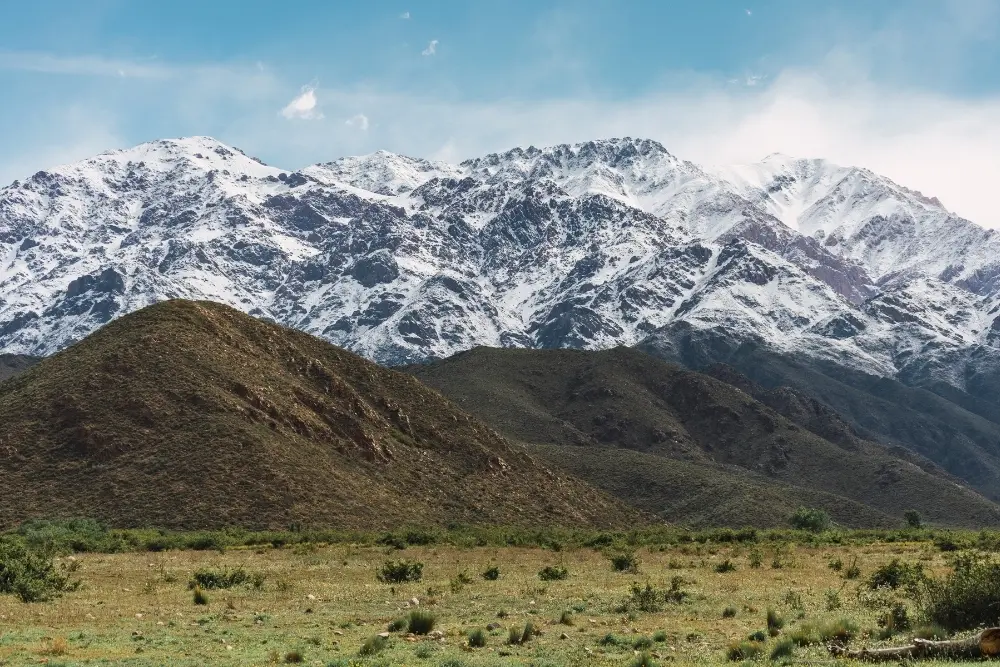
In northern Argentina, Salta’s Calchaquí Valleys host some of the world’s highest vineyards. Extreme altitude defines production here, producing wines known for intense aromatics, particularly from varieties like Torrontés, shaped by strong sunlight and cool nights.
Why couples love it: remote settings, dramatic altitude, and a sense of traveling far beyond Argentina’s more familiar wine routes.
Other Producing Regions in Argentina
Beyond Mendoza and the Uco Valley, Argentina’s wine identity extends north and south into smaller, climate-driven regions. Cafayate in Salta stands out for its extreme altitude, where vineyards climb above 1,700 meters, producing distinctive aromatic whites like Torrontés. Patagonia, further south, offers cooler-climate expressions shaped by wind, latitude, and long daylight hours. These regions may produce smaller volumes, but they contribute critical diversity to Argentina’s overall wine landscape.
Rebecca recommends: slowing down in Cafayate to fully absorb its high-altitude setting and cultural depth. Sunset tastings at Bodega El Esteco highlight how elevation shapes structure and aromatics, while gourmet picnics among the vines at Piatelli Vineyards pair regional cuisine with expansive valley views. Time spent exploring artisan markets, vividly colored Andean towns, and nearby pre-Incan archaeological sites adds historical and cultural context that grounds the wine experience in northern Argentina’s identity.
Comparing Argentina Wine Regions
Before choosing between Argentina wine regions, it helps to understand how geography shapes production across them. Altitude unites these regions, but scale and expression vary significantly.
| Region | Geographic Characteristics | Climate / Altitude Profile | Production Focus |
|---|---|---|---|
| Mendoza | Andean foothills, desert plains | High altitude, dry, irrigated | Malbec-led large-scale production |
| Uco Valley | Elevated Andean valleys | Very high altitude, cool nights | Precision, terroir-driven wines |
| Calchaquí Valleys | Northern Andes | Extreme-altitude | Aromatic Torrontés |
| Cafayate | Northern highlands | Extreme altitude, intense sun | Aromatic whites and niche reds |
| Patagonia | Southern plains | Cool climate, strong winds | Fresh, restrained styles |
Together, these regions explain how Argentina built a global wine reputation rooted in altitude and consistency, while still offering meaningful regional distinction.
Chile Wine Regions: Longitudinal Diversity and Climatic Precision
Second among the most well-known wine regions of South America, Chile developed its wine industry along a narrow strip of land bounded by mountains and ocean. Stretching from arid deserts in the north to cool southern fjords, Chile’s vineyards sit between the Andes and the Pacific Ocean, benefiting from remarkable climatic control. Natural isolation protected vineyards from historical vine diseases, while a long north–south orientation created diverse climates. Chile’s wine reputation grew through export-driven modernization and an emphasis on reliability, gradually evolving toward greater regional identity.
Central Valley
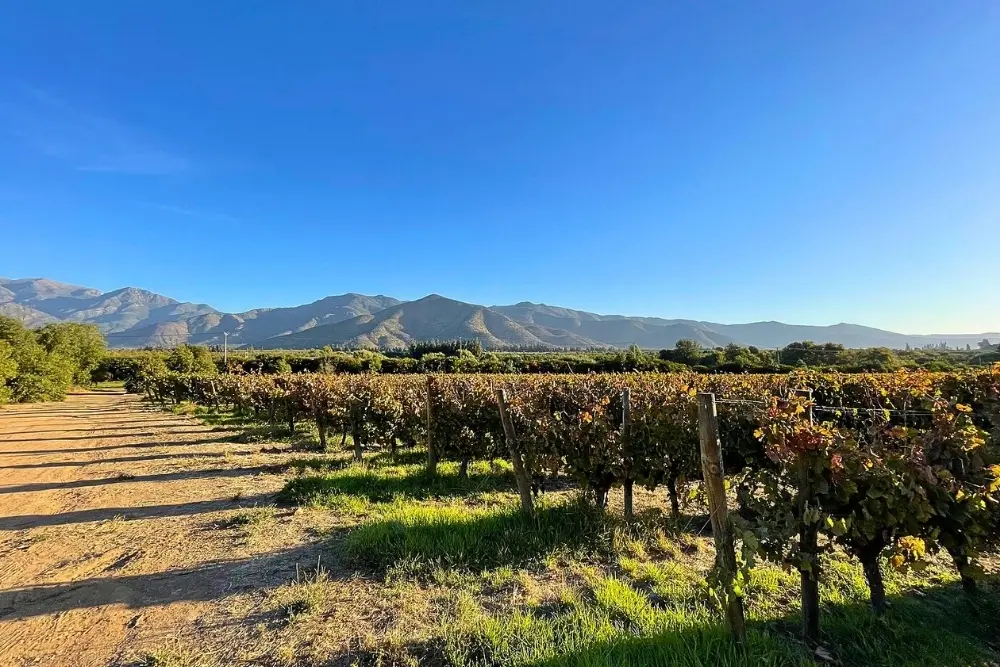
The Central Valley forms the structural core in the production of Chilean wines. Sheltered between the Andes and the Coastal Range, it offers consistent growing conditions and supports much of the country’s output. The region is closely associated with Cabernet Sauvignon, which thrives in its warm, stable climate.
Why couples love it: wide-open landscapes, a sense of continuity, and the ability to experience multiple subregions within a single journey across Chile wine regions.
Colchagua Valley
Within the Central Valley, Colchagua gained prominence for its warmer climate and varied elevations. Chilean wines here emphasize structured reds, particularly Carmenère and Cabernet Sauvignon, which benefit from extended ripening.
Why couples love it: a balance of tradition and refinement, where vineyards feel deeply connected to valley landscapes.
Rebecca recommends: vineyard explorations by horseback or bicycle at estates like Viu Manent, followed by journeys aboard the historic wine train. Staying at boutique properties such as Clos Apalta allows travelers to connect deeply with the landscape.
Casablanca Valley
Closer to the Pacific, Casablanca represents a shift toward cooler-climate production. Coastal fog and ocean breezes moderate temperatures, extending growing seasons and supporting varieties of Chilean wines like Sauvignon Blanc and Chardonnay.
Why couples love it: proximity to the coast, cooler air, and a lighter, more relaxed wine landscape.
Rebecca recommends: visiting Viña Casas del Bosque; combining premium tastings of luxury wine with dining at Tanino, one of the world’s most celebrated winery restaurants; and staying nearby at boutique wine-focused hotels, like La Casona at Matetic Vineyards or Hotel Casablanca Spa & Wine.
Ranking Key Chile Wine Regions by Production Significance
Chile wine regions are best understood as a sequence shaped by geography rather than hierarchy. Before examining individual valleys, it is important to recognize Chile’s defining advantage: climatic range within a contained geographic corridor. The following overview helps frame production across the country when planning Chile wine tours.
- Central Valley: The foundation of Chilean wine production, offering scale and consistency through stable conditions.
- Colchagua Valley: A warmer, more structured subregion where elevation and valley orientation enhance red wine production.
- Casablanca Valley: A coastal expression where maritime influence broadens Chile’s stylistic range.
Together, these regions explain how Chile built its wine reputation on stability while gradually embracing regional diversity.
Wine Regions in Ecuador: Microclimates That Redefine Expectations
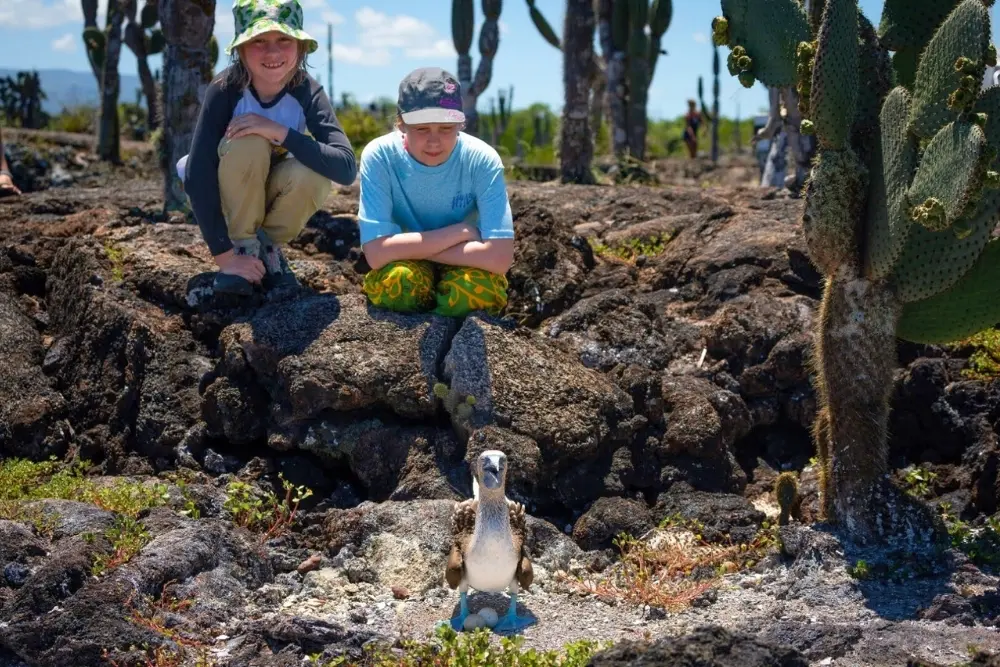
Ecuador is rarely mentioned alongside classic wine regions, yet its emerging wine scene tells a compelling story of adaptation, altitude, and innovation. Located on the equator, the country challenges traditional ideas of where wine can be made. Instead of relying on latitude, Ecuadorian producers harness microclimates shaped by elevation, ocean influence, and seasonal rainfall patterns.
Wine production in Ecuador remains boutique and experimental, but that is precisely its appeal. For travelers accustomed to Argentina wines or Chilean wines, Ecuador offers something different: small-scale vineyards where terroir is defined by volcanoes, cloud movement, and dramatic day–night temperature shifts rather than centuries of tradition.
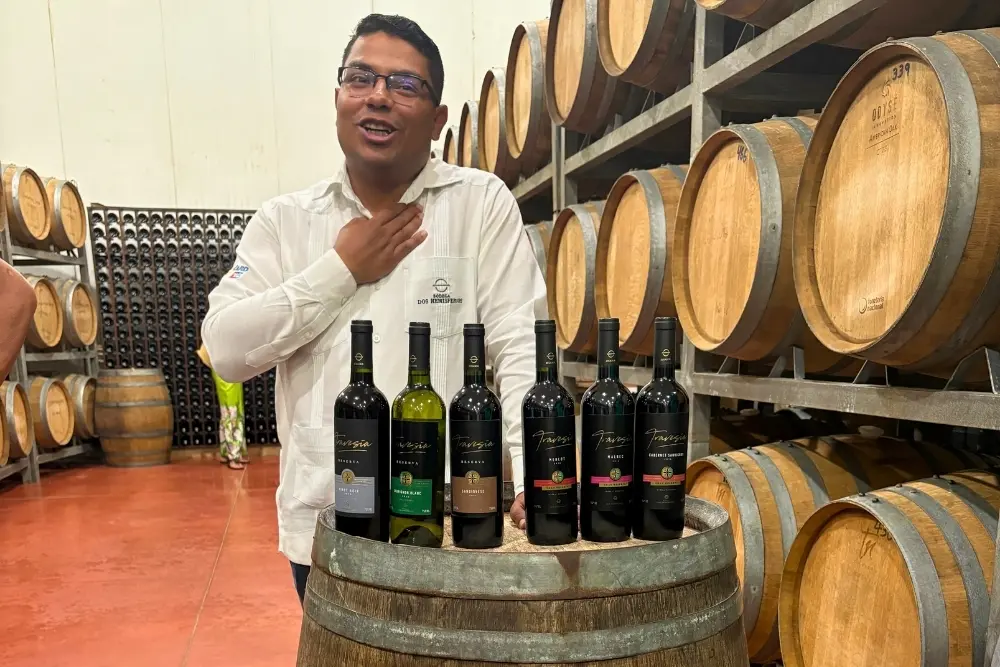
Rebecca recommends: experiencing Ecuador’s wine culture through Bodega Dos Hemisferios, where exclusive tastings of the Bruma and Paradoja lines reveal how equatorial conditions shape balance and elegance. Vineyard lunches enjoyed with ocean breezes and warm equatorial light create a relaxed coastal rhythm, while pairing the visit with an Ecuadorian Gourmet journey—combining whale watching, beach escapes, and seafood-focused cuisine—adds depth and romance to the experience.
Andean Highlands: Altitude as Terroir
In the Andean valleys near Quito, vineyards sit between 2,400 and 2,800 meters above sea level. At these elevations, cool nights balance intense equatorial sunlight, slowing ripening and preserving acidity. This high-altitude environment creates wines that feel fresh, structured, and surprisingly elegant, often compared more for their character than for their power.
Producers such as Chaupi Estancia demonstrate how altitude-driven terroir can shape expressive wines in an unexpected setting. For travelers, these wine regions integrate naturally into highlands itineraries, pairing tastings with colonial towns, volcano views, and cultural encounters rather than formal wine routes.
Coastal Ecuador: Ocean Influence and Dry Forest Microclimates
On the Santa Elena Peninsula and parts of coastal Guayas, wine takes on a different identity. Here, vineyards benefit from dry forest conditions, cooling ocean breezes, and the moderating influence of the Humboldt Current. These factors help control humidity and disease pressure in an otherwise tropical environment.
Dos Hemisferios, Ecuador’s most internationally recognized winery, has shown that equatorial coastal wine regions can produce refined, balanced expressions. These wines lean toward approachability and freshness rather than concentration, aligning well with Ecuador’s culinary culture and coastal travel experiences.
Southern Valleys and Lesser-Known Regions
Southern Ecuador, particularly around the Yunguilla Valley near Cuenca, offers warmer, drier conditions well suited to small-scale viticulture. Beyond these core areas, experimental vineyards appear in regions such as Loja, Imbabura, Tungurahua, and the Chota Valley, reinforcing Ecuador’s identity as a country where wine emerges through curiosity rather than convention.
For travelers, Ecuadorian wine is best framed as a discovery. It is not a luxury wine in the traditional sense of prestige labels, but it delivers luxury through intimacy, place, and the unexpected.
Wine Regions Across Latin America: Beyond Argentina and Chile
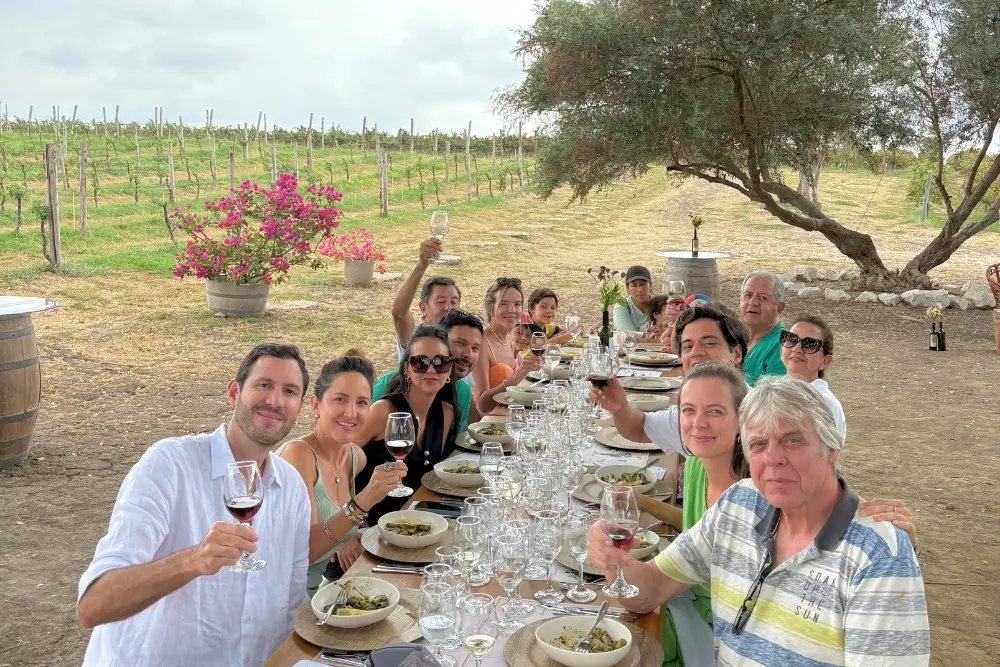
While Chile wine regions and Argentina wine regions dominate global awareness, Latin America’s wine landscape extends far beyond its two giants. Across the continent, smaller producers have carved out distinct identities by responding to local climates rather than replicating European or Southern Cone models.
These wine regions often appeal most to travelers who already know Argentina wines and Chilean wines and are looking to deepen their understanding of how terroir evolves across different geographies.
High-Altitude Innovation: Bolivia and Peru
Bolivia pushes the limits of viticulture through extreme elevation, with vineyards among the highest in the world. Intense sunlight and cool temperatures create aromatic wines with pronounced freshness, reinforcing how altitude can redefine terroir.
Peru, with its long colonial history of wine production, relies on arid desert valleys where irrigation allows precise control over vine growth. Though better known for pisco, its wine regions add depth to travel routes that already blend history, archaeology, and gastronomy.
Brazil and Uruguay: Climate-Driven Identity
Brazil’s wine regions thrive in humid conditions by focusing on sparkling wine, where acidity and freshness shine. Uruguay, smaller but more established, has built its reputation around Tannat, a grape well suited to its maritime climate. Both countries offer wine experiences closely tied to food culture rather than vineyard spectacle.
Tropical and Experimental Frontiers
Countries such as Costa Rica, Colombia, and Paraguay represent Latin America’s experimental edge. Here, wine production depends on microclimates, hybrid grape varieties, or alternative fermentation traditions. These regions rarely compete with Argentina wines or Chilean wines, but they add nuance to the continent’s wine narrative.
For travelers, these wine regions function as cultural layers within broader itineraries. Wine appears alongside rainforests, beaches, or historic towns, reinforcing the idea that in Latin America, terroir is inseparable from landscape and lived experience.
Wine regions across Latin America reflect adaptation to landscape above all else. Argentina’s Andean vineyards, Chile’s coastal valleys, and Ecuador’s high-altitude experiments each show how geography defines possibility. For travelers, understanding these regions deepens the journey, connecting place, production, and the quiet satisfaction of discovering how wine takes shape across the continent.
Are you ready to tour Latin America’s wine regions and experience how geography shapes production across the continent? We can add Bolivia, Brazil, and Paraguay to any itinerary if you request it. Let’s create your perfect trip!
Frequently Asked Questions
What are the best wine regions in South America?
South America’s best wine regions include Mendoza and the Uco Valley in Argentina, Chile wine regions like Colchagua and Casablanca, and emerging areas in Ecuador. These wine regions combine altitude, climate, and geography to support wine production across the continent.
What grape varieties thrive in South America’s wine regions?
Across South American wine regions, Malbec thrives in Argentina wines, while Cabernet Sauvignon and Carmenère shape Chilean wines. Sauvignon Blanc and Chardonnay excel in cooler Chile wine regions. These grape varieties succeed due to altitude, sunlight, and the supporting ripening.
How does Ecuador produce wine on the equator?
Ecuador relies on altitude, microclimates, and controlled vineyard management to compensate for its equatorial location. Strategic pruning simulates dormancy, while coastal breezes and highland temperature shifts allow grapes to ripen successfully despite the absence of traditional seasons.
What is the difference between Chilean and Argentinian Malbec?
Argentinian Malbec from Argentina wine regions is shaped by high altitude, producing concentrated fruit and structure. Chilean Malbec grows in cooler Chile wine regions, often showing fresher profiles and softer textures, reflecting coastal influence and lower elevations within Chilean vineyards.
Is Latin American wine production sustainable?
Many Latin American wine regions naturally support sustainable practices through dry climates, high altitude, and low chemical dependency. Increasingly, producers also emphasize community engagement, water management, and environmental responsibility, aligning wine production with broader sustainability and impact goals.
Further Reading
- When is the best time to visit Argentina?
- Ecuadorian Coast: A Hidden Treasure in the Pacific Coast
- When Is the Best Time to Visit Chile?
Experience South American Winemaking Now!
40-Day Ultimate South America Luxury
 4 Countries
 USD 14,086 p.p.
- Peru and Ecuador
- Chile
- Argentina

9-Day Ecuador Food Private Tour
6 Sites USD 3,999 p.p.- Wonderful Food Experience
- Local Family Dinner
- Hacienda La Danesa
10-Day Chile Cultural Experience
3 Sites USD 4,138 p.p.- Balmaceda and Serrano Glaciers
- Valparaíso & Viña del Mar
- Magdalena & Marta Islands