
When Is the Best Time to Visit Chile?
- By: Johanna Alvear
Chile is a land of extremes; from the driest deserts of the north to glacial fjords in the south, so determining the best time to visit Chile requires nuance. The best time to travel to Chile varies depending on region, goals, and activities. In this comprehensive guide, you’ll find seasonal insights, a month-by-month breakdown, must-visit sites and destinations by region, and tips that align your trip with your passions. Whether you’re chasing trekking trails, stargazing, wine tastings, or cultural adventure, you’ll discover the ideal travel time for you.
Table of Contents
Understanding the Best Time to Visit Chile
One deciding factor when selecting the best time to visit Chile is the weather. Chile’s longitudinal span means its climate shifts dramatically from one end to the other. Below, each season is described with attention to how Chile’s climate behaves across regions, and what you can expect in weather, accessibility, and highlights. This will give you a base overview of the best time to travel to Chile.
Summer (December to February)
Summer is the peak season across much of the country and is commonly regarded as the best time to go to Chile for many travelers. In central Chile, especially in the capital and the surrounding wine valleys, summer brings long, dry, sunny days. Weather in Santiago, Chile, in summer shows temperatures reaching up to 32°C (90°F), making it ideal for vineyard visits and coastal escapes. In the far south, Patagonia becomes fully accessible, with daytime temperatures averaging between 8 °C and 15°C (46°F and 59°F).
This is the ideal time to trek through the dramatic glacial landscapes, as the weather in Torres del Paine National Park in Chile is mild. Northern Chile, including the Atacama Desert, remains dry and stable, perfect for stargazing and outdoor excursions. Easter Island enjoys warm weather and low rainfall, making it excellent for exploring its cultural sites, beaches, and scenic drives. Chile’s weather in December means wildlife sightings are abundant, with penguins, sea lions, and whales frequently seen throughout coastal regions.
Autumn (March to May)
The weather in Chile in March brings good conditions in Patagonia, although by April and May, it starts turning colder and wetter. April weather in Chile marks the shoulder season, which provides a calm, less crowded experience ideal for travelers seeking tranquility and local cultural immersion. Autumn offers a beautiful transition with cooler temperatures and vibrant fall colors, especially in central Chile’s wine regions.
The south Chile weather during this time becomes more unpredictable, but the landscapes take on golden hues, and the parks are quieter. The north continues to enjoy dry, stable weather, making it a great time to explore the Atacama’s dramatic landscapes. Autumn is often cited as one of the best times to travel to Chile because it balances pleasant weather with reduced tourist activity, stunning natural transitions, and lower prices compared to the peak summer months.
Winter (June to August)
Winter in Chile brings varied experiences depending on the region. The weather in Chile in June allows for low-crowd exploration in the central and northern regions. In the capital and the central valleys, it’s the rainy season, with grey skies and lower temperatures creating a more subdued atmosphere. However, winter also brings a romantic charm to the city, with cozy cafes and snow-capped Andean backdrops. If you’re looking to experience the Argentine Andes in winter, then the best month to visit Santiago, Chile, is July.
Patagonia, Chile weather features snow and strong winds, so it becomes largely inaccessible due to trail closures, limiting outdoor adventure. Still, this season is perfect for snow sports enthusiasts as the Andes mountains host a thriving Chile ski season, especially in resorts near Santiago like Valle Nevado. Chile’s weather in July brings the most consistent and deepest snow base for ski resorts in the region. The north remains relatively dry and is a good escape from the southern chill, offering quiet exploration of the Atacama Desert and its surrounding wonders. Winter isn’t typically recommended for first-time visitors, but it’s ideal for niche interests like skiing or quiet, off-season travel.
Spring (September to November)
Spring signals renewal across Chile. In central Chile, rain fades away and the landscape bursts into bloom, making it a great time for cultural tours, vineyard strolls, and outdoor excursions in nature reserves. In Patagonia, many trails begin reopening in October and November, although some snow may persist at higher altitudes, offering a dramatic contrast of wildflowers against snow-capped peaks.
The weather in Chile in November continues to provide excellent stargazing opportunities under clear skies in Northern Chile. Wildlife becomes more active in both the north and the south, and migratory birds return. This season is often regarded as the best time of year to visit Chile due to its balanced climate, fewer crowds, and increased accessibility across the country. Travelers during this period enjoy both beauty and flexibility.
Monthly Breakdown of the Best Time to Visit Chile
Now that you’re familiar with the seasons, here is a cheat sheet for the best time to go to Chile:
| Month | Weather & Activities | Must‑See Events & Wildlife |
|---|---|---|
| January | Summer peaks; ideal for trekking, coastal escapes, and wine regions. | Penguins along southern coasts; active marine life; summer festivals in Santiago/Valparaíso. |
| February | Warm, comfortable weather nationwide. | Prime stargazing in Atacama; northern town festivals; beach and valley adventures. |
| March | Start of autumn; cooler but stable. | Wine harvest season with fewer crowds; best bycicle riding. |
| April | Mild weather; snow deepens in southern Patagonia. | Easter celebrations, spring blooms, and fewer tourists for immersive experiences. |
| May | Cool, especially in Patagonia. | Southern hiking routes start closing; central Chile remains great for cultural/wine tours. |
| June | Winter begins in Patagonia with snow; central and northern regions remain mild. | Skiing opens in the Andes; cultural visits in cities. |
| July | Peak winter; colder and harsher in Patagonia. | Skiing and mountain sports are at their best; northern deserts are accessible. |
| August | Winter continues; slightly milder in central Chile. | Optimal ski conditions in the Andes; wine tours and city visits are ideal. |
| September | Spring arrives; warming trends. | Blossoms; wildlife returns; trails begin opening in Patagonia; seasonal festivals. |
| October | Mild; perfect for varied itineraries. | Patagonia trails open; festivals across towns; abundant wildlife and flowers. |
| November | Full spring; accessible trails and warming weather. | Vibrant landscapes, bird migrations, and whales along the southern coast. |
| December | Summer returns nationwide. | High season across all regions; festivals, coastal beaches, Patagonia treks; abundant wildlife. |
This table will help you decide what you’d like to see and do during your trip to Chile, and then you can go from there.
What to See in Chile
Once you’ve decided on the best month to visit Chile according to your preferred weather conditions, the next thing to consider is what you want to see during your travels.
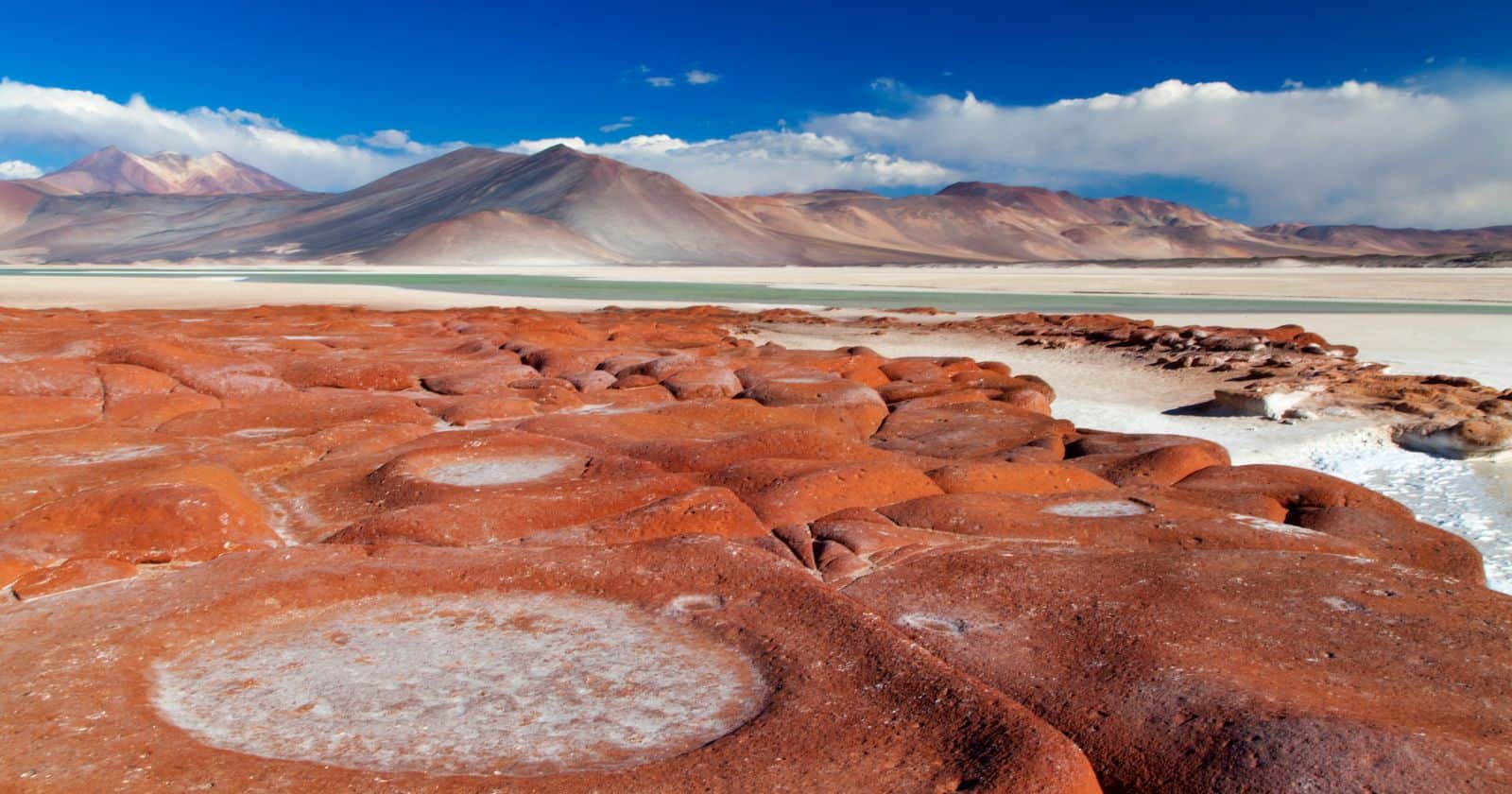
- Valle de la Luna & Death Valley landscapes (Atacama Desert): These surreal rock formations and salt flats mimic the surface of the moon, creating one of Chile’s most otherworldly landscapes. Best visited at sunset, the lighting transforms the terrain into a glowing, golden expanse.
- El Tatio Geysers (Atacama): At over 4,000 meters above sea level, this is one of the highest geyser fields in the world. Visiting at sunrise offers a dramatic and photogenic view of steaming vents against the Andes.
- Altiplano Lagoons (Atacama): Remote and breathtaking, these high-altitude lagoons host pink flamingos and rare wildlife, surrounded by volcanoes and ancient salt crusts. They are a peaceful and spiritual place to explore.
- Chajnantor Plateau Observatories (Atacama): Some of the world’s most advanced telescopes reside here, making it a stargazer’s dream. Public tours and clear skies allow for unforgettable night sky experiences.
- Plaza de Armas & La Moneda (Santiago): The central square of Santiago brims with colonial charm and urban life. Nearby, the presidential palace and cultural museums offer a deep dive into Chilean history and identity.
- Museo de Bellas Artes (Santiago): One of the oldest museums in South America, it houses a vast collection of classical and contemporary art. The building itself is an architectural gem worth visiting.
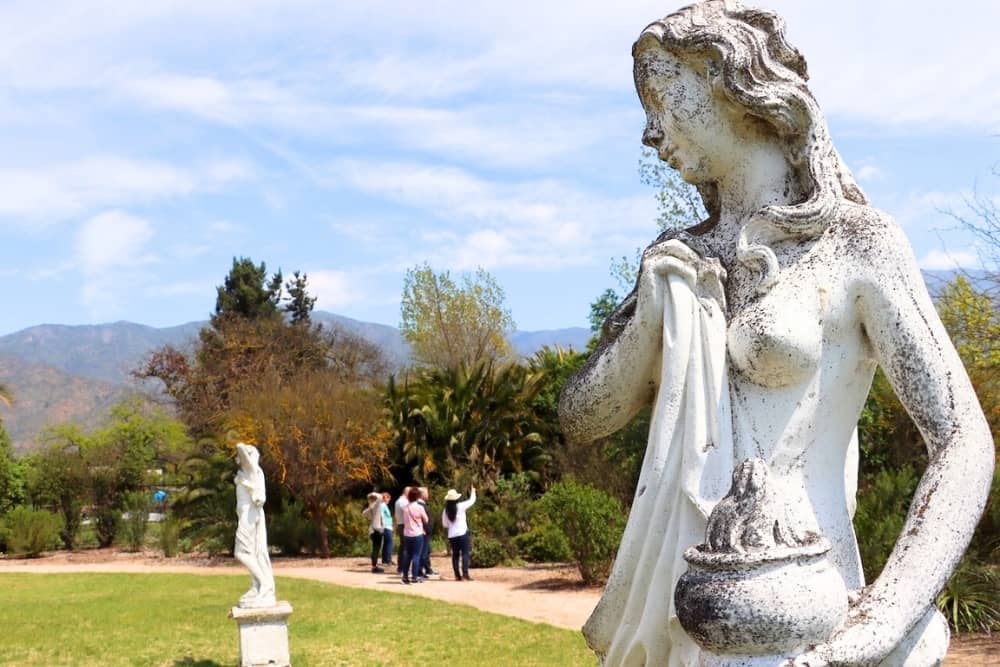
- Cerro San Cristóbal (Santiago): This towering hill in the city provides panoramic views and is accessible by funicular. At the summit, you’ll find the iconic Virgin Mary statue and landscaped gardens.
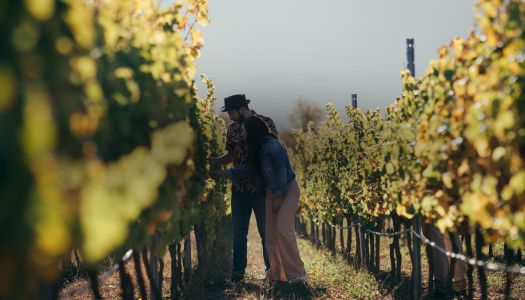
- Maipo, Colchagua & Casablanca Valleys (Central Chile): These celebrated wine valleys offer more than tastings — they are cultural experiences with boutique hotels, harvest festivals, and immersive vineyard tours.
- Valparaíso: Known for its artistic vibe, this port city is full of colorful homes stacked on hillsides, winding stairways, and street art. It’s a haven for creatives and photographers.
- Vicente Pérez Rosales National Park (Lake District): A paradise for outdoor lovers, with cascading waterfalls, pristine rivers, and forest trails. Osorno Volcano provides a stunning backdrop to the adventure.
- Conguillío National Park (Lake District): This park combines lava fields, ancient forests, and alpine lakes. It’s an underrated gem for hiking, wildlife spotting, and learning about Chile’s volcanic history.
- Thermal Springs & Lakes (Pucón): Relax in natural hot springs after a day of kayaking or hiking around Lake Villarrica. This is one of Chile’s best wellness escapes.
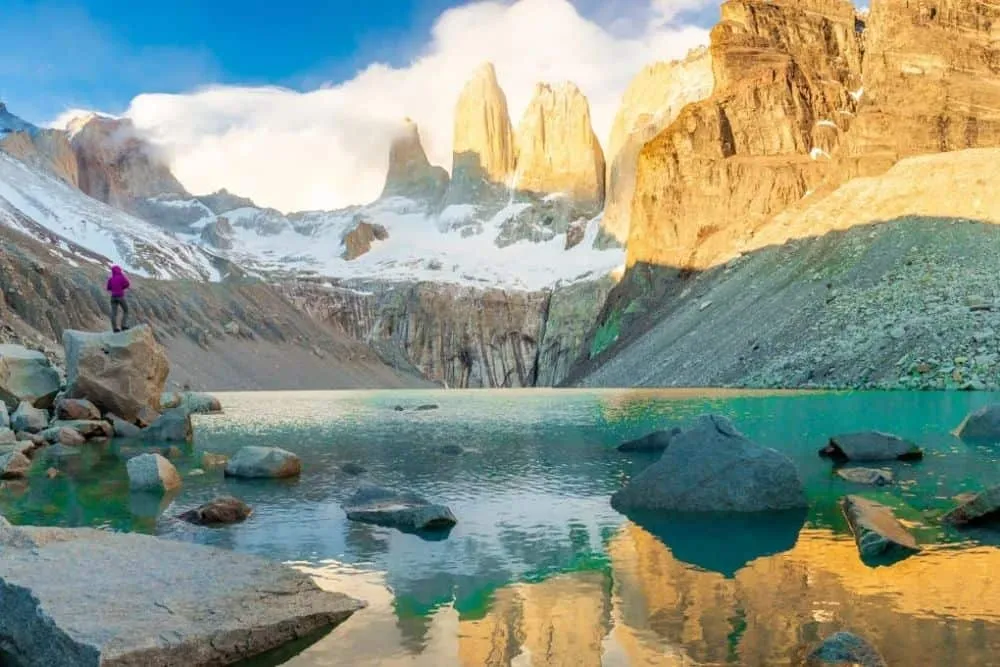
- Torres del Paine National Park (Patagonia): A crown jewel of Chile, with jagged peaks, vast glaciers, and turquoise lakes. Trekking routes range from day hikes to multi-day expeditions.
- Grey Glacier & Lago Grey (Patagonia): One of the most stunning glaciers in Patagonia, accessible via scenic boat ride or hike. The blue ice formations are awe-inspiring in both scale and color.
- Penguin Colonies (Southern fjords): Home to Magellanic and Humboldt penguins, these remote beaches offer wildlife lovers a chance to observe colonies in their natural habitat.
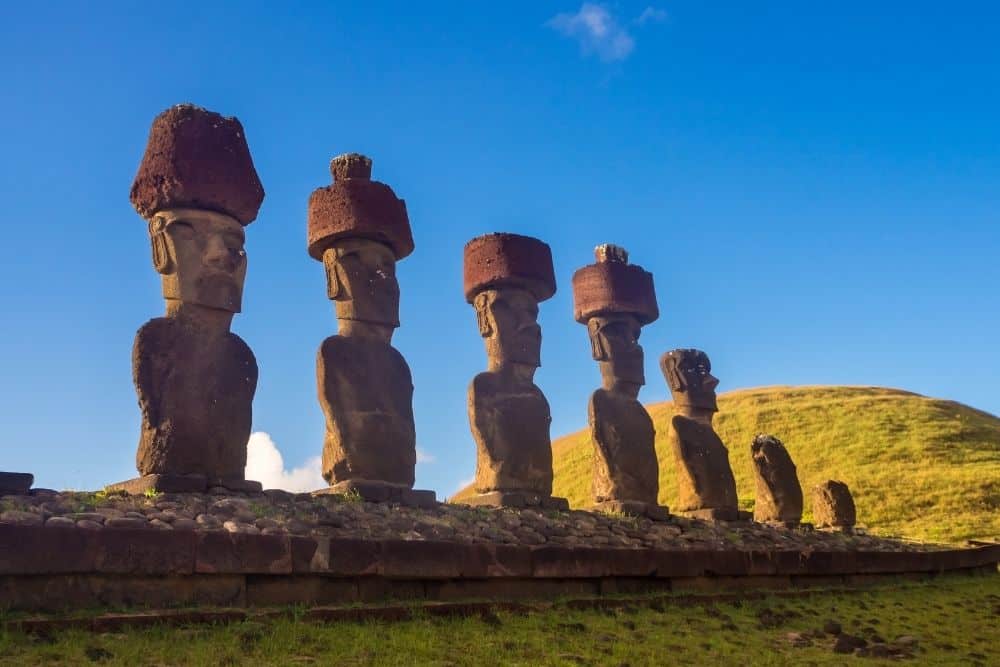
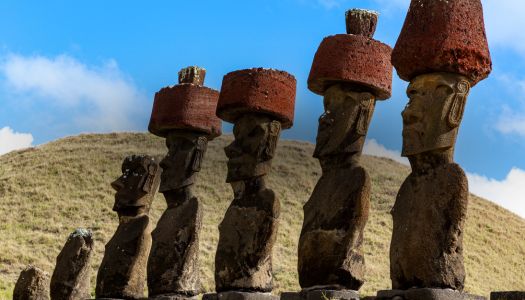
- Moai Statues (Easter Island): These enigmatic figures tell the story of Rapa Nui’s ancestral past. Scattered across the island, they create a powerful connection to history.
- Anakena Beach (Easter Island): This tropical beach blends natural beauty with cultural heritage. White sand, turquoise waters, and nearby moai make it a must-see destination.
When you select what you wish to see on your trip, you’re one step closer to knowing what the best time to visit Chile is for you!
Where to Go in Chile
With preferred weather patterns and visitor sites clear, you will have an estimated best time of year to visit Chile. The next step is to figure out where you want to go. Among the top Chile places to visit are:
- San Pedro de Atacama: This small desert town in northern Chile is the hub for exploring surreal landscapes like Valle de la Luna, geyser fields, salt flats, and flamingo-filled lagoons. It also serves as one of the world’s premier stargazing destinations, with access to observatories and clear desert skies.
- Santiago & Central Valleys: Chile’s bustling capital offers a rich mix of modern city life and historical charm. It serves as a central base for exploring museums, historic architecture, and vibrant culinary scenes. The surrounding valleys like Maipo and Colchagua invite visitors into the heart of Chile’s wine culture, offering tours and tastings among vineyard-draped hills.
- Valparaíso & Viña del Mar: These sister cities combine heritage and beachside beauty. Valparaíso is known for its street art, funiculars, and poetic soul, while Viña del Mar offers manicured gardens, sandy beaches, and lively festivals. Together, they make a perfect cultural and coastal escape.
- Lake District & Volcano Route: A lush, green region dotted with glacial lakes and snow-capped volcanoes. Towns like Puerto Varas and Pucón serve as gateways to outdoor adventures, including hiking, rafting, skiing, and relaxing in natural hot springs. This region also preserves Mapuche Indigenous heritage.
- Torres del Paine / Chilean Patagonia: An adventurer’s paradise featuring dramatic mountain ranges, massive glaciers, and emerald lakes. Known for the iconic W and O trekking circuits, it draws hikers from all over the world to experience one of South America‘s last true wildernesses.
- Chiloé Island & Southern Archipelagos: A place steeped in legend and tradition, Chiloé charms visitors with its wooden churches, stilted houses, and seafood-rich cuisine. Explore remote fishing villages, unique national parks, and learn about the island’s folklore and mythology.
- Easter Island (Rapa Nui): One of the most remote inhabited islands on Earth, famous for its moai statues, volcanic landscapes, and Polynesian culture. Visitors can explore ancient archaeological sites, volcanic craters, and pristine beaches, making it an unforgettable cultural and natural destination.
Once you’ve decided on the ideal season for your vacation, what you want to see, and where you want to go, you will have everything you need to decide when is the best time to visit Chile.
So, when is the best time to visit Chile? It depends entirely on your priorities. If you want access across all regions — Patagonia, Atacama, central valleys — summer (December–February) offers reliability. If you prefer fewer crowds, amazing color shifts, and balanced conditions, autumn (March–May) or spring (September–November) may be your sweet spots. Winter is best for niche travelers or those seeking solitude and snow-based escapes. Whatever your travel style (adventure, culture, wine, stargazing, or relaxation), Chile has a time and place made for you. Set your goals, match them to the patterns above, and let the country amaze you.
Ready to explore Chile with purpose? Let’s tailor your trip based on your preferred season, interests, and pace. Our destination experts will find the best time to visit Chile for you!
Frequently Asked Questions
What is the best month to visit Chile?
If you’re deciding based on weather, then the best month to visit Chile is either January or February, when it is warmest.
When is the best time to visit Santiago, Chile?
The best time to visit Chile includes spring and fall, making September–November and March–May ideal for Santiago. These months bring mild weather, fewer crowds, and conditions for city sightseeing, wine valleys, and Andean views without summer heat or winter cold.
When is the best time to visit Easter Island, Chile?
The best time to visit Easter Island is from January to March, when the weather is warm, rainfall is low, and cultural festivals like Tapati Rapa Nui take place, offering ideal conditions for exploration, beaches, and cultural immersion.
When is the best time to visit Patagonia, Chile?
The best time to visit Patagonia is between December and March. These summer months offer the warmest temperatures, longer daylight hours, and full trail access, making it perfect for hiking, wildlife viewing, and experiencing iconic landscapes like Torres del Paine.
When is the best time of year to visit Chile for wine tasting?
Harvest time in March and April is a fantastic window for wine lovers, as grapes are matured and wineries host events.
Further Reading
- 7 Things To Do in Santiago de Chile.
- San Pedro de Atacama Guide: Top Activities & Attractions.
- South America Travel Bucket List.
Tour Chile Now!
17-Day Chile Family Tour
 6 Sites
 USD 9,989 p.p.
- Easter Island Mysteries
- Dining with Chilean Families
- Magdalena Island
10-Day Chile Cultural Experience
3 Sites USD 4,138 p.p.- Balmaceda and Serrano Glaciers
- Valparaíso & Viña del Mar
- Magdalena & Marta Islands
4-Days in Santiago
1 Sites USD 1,295 p.p.- Wine Experience
- Moneda Palace
- Maipo Valley