
How to Plan Your Galapagos Vacation
- By: Rebecca Braak
Traveling to the Galapagos Islands requires careful preparation, and having all the necessary information before venturing into this remarkable archipelago can make all the difference. Nestled in the Pacific Ocean, the Galapagos Islands offer a unique and pristine environment that entices travelers with their unparalleled natural beauty and extraordinary wildlife. From conservation regulations to packing essentials and must-visit sites, this guide helps you how to plan your Galapagos Vacation as your go-to resource for all you need to know before setting foot on the Enchanted Isles.
Discover trips to the Galapagos
Table of Contents
Legal Guidelines for Galapagos
Countries Requiring Visas for Entry to Ecuador
| Afghanistan | Angola | Bangladesh |
| Cameroon | Democratic Republic of Congo | Republic of Congo |
| Cuba | Egypt | Eritrea |
| Ethiopia | The Gambia | Ghana |
| Guinea | Haiti | India |
| Iran | Iraq | Ivory Coast |
| Kenya | Libya | Mali |
| Myanmar | Nepal | Nigeria |
| North Korea | Pakistan | Philippines |
| Senegal | Somalia | Sri Lanka |
| Syria | Vietnam | Yemen |
Transit Control Card
Were you aware that the Ecuadorian Government needs to know the duration of your stay in the Galapagos Islands? This measure ensures that tourists do not overstay their welcome. As a result, your stay on the islands cannot exceed 60 days, counting from your initial entry. You don’t need a special visa for the Galapagos Islands.
Migratory Procedures to Commence Your Galapagos Vacation
Once you’ve met all the visa and vaccination prerequisites, you’ll encounter other migratory requirements to kickstart your Galapagos vacation. It’s essential to address these requirements before embarking on your flight to Galapagos, especially considering that the Galapagos Islands are a protected National Park with specific entry controls.
The process commences with obtaining the Galapagos Transit Control Card, a document that serves as your immigration permission for traveling to the islands. This card allows the government to monitor the duration of your stay in the archipelago. To expedite your airport experience, it’s highly recommended to pre-register, saving you time, particularly if you prefer not to verbally provide all your information to the agent. For those traveling with family, you can pre-register the entire group using the same link.
Upon arrival at the airport, you’ll need to visit the Galapagos National Institute, often referred to as INGALA (an acronym in Spanish). Here, you’ll be required to present your passport and pay a fee of USD 20 per person, in cash only. It’s essential to keep this card safe, as it will be required again when you leave the islands and return home.
Baggage Control upon Arrival on the Islands
Upon arrival on the islands, you’ll undergo baggage control screening by the Biosafety Agency, also known as SIGCAL. This screening process is of utmost importance, as it helps prevent the introduction of invasive species that could pose a threat to the ecosystem. It’s strictly prohibited to enter the Galapagos Islands with items such as fruits, vegetables, and organic matter; please consult the comprehensive list of prohibited items.
Entry Fee
Following the baggage screening, you’ll need to queue up to pay the Galapagos National Park Entry fee, which is USD 200 per adult and USD 100 per child. After paying this fee, your luggage will undergo another screening to ensure it doesn’t contain any organic items. Once you successfully pass this screening, you’re officially in the Galapagos Islands, and your Galapagos vacation has officially begun!
KEEP IN MIND: A noteworthy point is that the fees you pay contribute to the conservation efforts for the park. These funds support organizations like the Galapagos Marine Park and municipalities, among others. This is your way to actively participate in responsible travel in the Galapagos Islands and contribute to their preservation.
Health and Safety in the Galapagos Islands
Prescription Medicine
It’s essential to bring all the prescription medications you and your family might need. While there are pharmacies on the islands, they may not always accept foreign prescriptions. Therefore, it’s a good idea to bring extra medicine in case of emergencies or unforeseen delays during your trip.
Altitude Sickness
If you plan to stay in plan to stay in Quito before flying to the Galapagos Islands, keep in mind that its elevation is 9,350.4 feet (2,850 meters) above sea level. Altitude sickness can cause symptoms like dizziness, headaches, weakness, fatigue, nausea, and breathing difficulties. Staying hydrated by drinking plenty of water is the best way to adapt to high altitudes. Consult your doctor back home for medication that can help prevent altitude sickness if needed.
Seasickness Medicine
If you’re prone to seasickness, be aware that you’ll likely be taking boats to visit other islands. You might also experience it on cruise ships. Keep in mind that although there are treatments, you can also choose an alternative island-hopping tour or a land-based tour for your Galapagos Islands vacation.
Other Recommendations
- For those who wear glasses, consider packing a spare pair in case of loss. With the wide range of activities available on the islands, such as hikes, snorkeling, kayaking, diving, and more, clear vision is crucial.
- If you have diabetes, make sure to bring your diabetes testing supplies and insulin to manage your health while enjoying your vacation.
- Additionally, if anyone in your family group has a respiratory condition, ensure you have an ample supply of inhalers. Keep them dry and secure during your trips and excursions.
- Given that seafood is a prevalent choice on most menus, those with seafood allergies should pack Epinephrine auto-injectors (EpiPens) or other allergy medications. Most restaurants and establishments do offer alternative options, but it’s wise to be prepared.
- Finally, it’s essential to have a medical alert bracelet or necklace with you. While we hope your vacation in the Galapagos Islands is filled with fun and incredible experiences, it’s always prudent to be cautious, especially if you have a medical condition or allergies to medications.
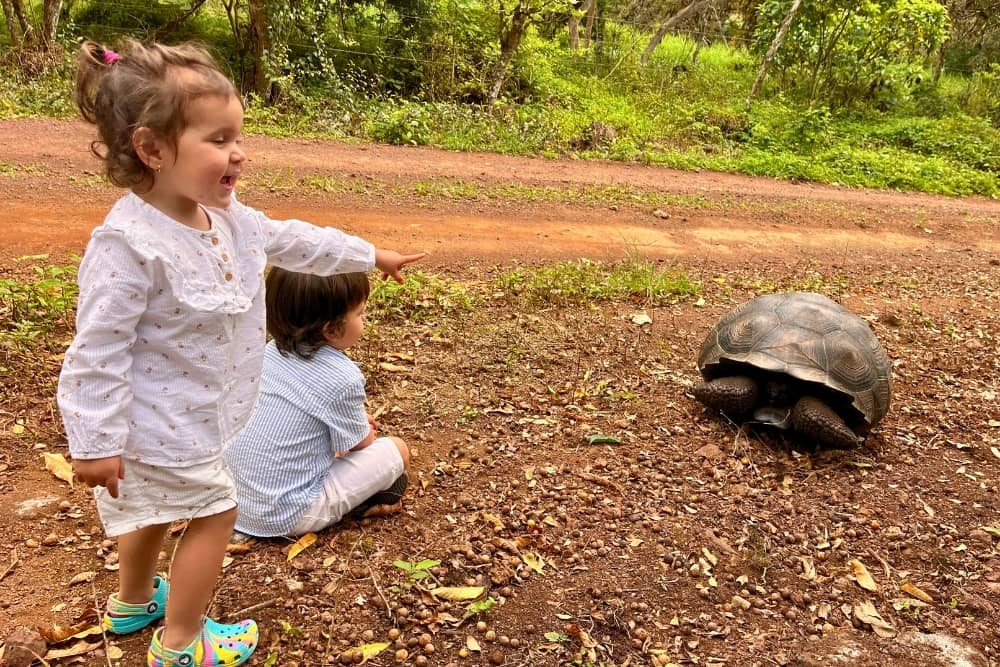
Medicines and Medical Supplies
Local pharmacies in the Galapagos Islands typically stock common medicines and medical supplies. When you plan your vacation with us, rest assured that we ensure your well-being at all times by working with reputable local providers. However, if you prefer to bring your own, here’s a list of items you might want to consider for your Galapagos Islands vacation:
- Antacid.
- Diarrhea medicine.
- Antihistamine.
- Cough drops, suppressants, or expectorants.
- Decongestant.
- Pain relievers or fever reducers.
- Mild laxative.
- Mild sedative or other sleep aid. If you have sleep apnea, you can bring your machine; the room AC prevents humidity damage.
- Water purification tablets or portable filters (please note that drinkable water is provided during tour and cruise itineraries, and it is also available for purchase in all convenience stores on inhabited islands).
- Insect repellent.
- Sunscreen.
Regarding first-aid kits, your guides, Galapagos hotels, lodges, and cruises are well-equipped to provide necessary medical assistance.
Please don’t forget to carry your insurance information and any specific medical requirements.
Medical Facilities on the Islands
In the Galapagos Islands, there are two hospitals available: the Republica del Ecuador Hospital in Santa Cruz and the new Oskar Jandl hospital in San Cristóbal. Isabela has a small medical Health Center. For more complex procedures, patients may need to be transferred to the main cities. Medical air ambulances are available from Quito and Guayaquil, and pharmacies can be found on the main islands.
Level of Physical Activity
Galapagos Islands vacations are synonymous with adventure and active holidays. Be prepared for extra physical activities, particularly if wildlife observation and outdoor exploration are central to your vacation plans.
There are abundant activities to enjoy, including hiking up volcanoes, mountain biking, wildlife observation, kayaking, snorkeling, swimming, and more. While there are tours suitable for all types of travelers, it’s essential to be aware that you’ll likely have at least one excursion per day, lasting an hour or two.
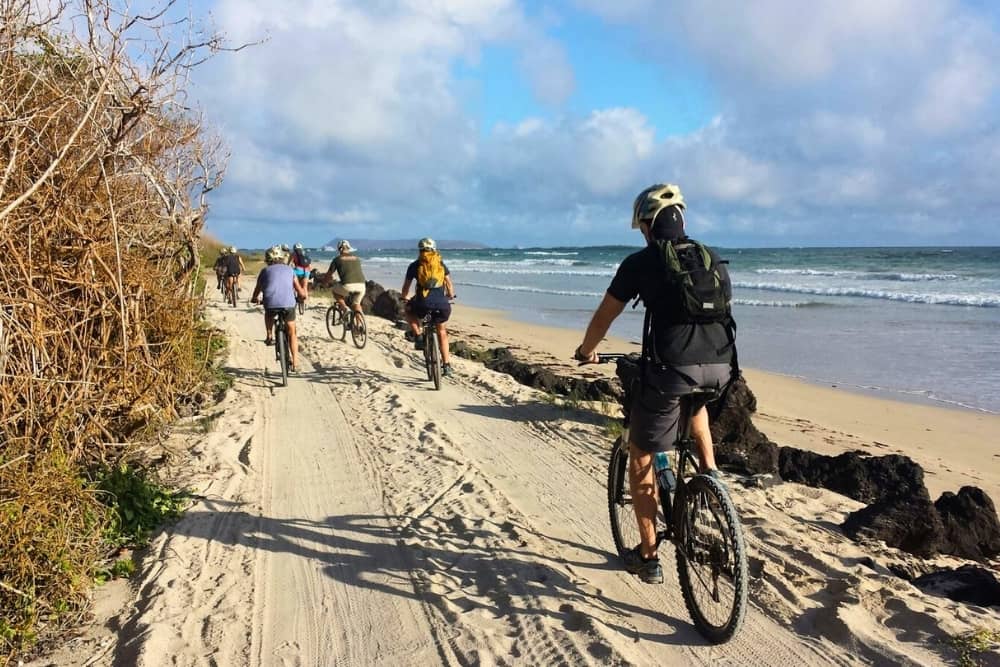
The overall level of physical activity during Galapagos Island tours typically ranges from easy to moderate. You won’t need advanced physical preparation, but some excursions may involve moderate physical activity, increasing your heart rate. Rest assured, your guides are well-prepared to arrange the excursions for your enjoyment. If you have any concerns or restrictions, please communicate them to your guide in advance so that they can provide the necessary support on the trail.
Getting to the Galapagos Islands
The Enchanted Islands are situated approximately 609 miles or 1,396 km away from the continent. To embark on your Galapagos vacation, your first step is to reach Ecuador’s mainland. From there, you’ll catch a 2-hour Galapagos flight to the archipelago, departing from either Quito or Guayaquil city. When choosing your arrival airport in the Galapagos, remember that there are two options.
Depending on your schedule, you might need to spend a night on the mainland, offering an excellent opportunity to explore more of these cities. You can consider adding a couple of days in mainland. There is so much to do and to see like venturing temarkable Andean locations such as Cotopaxi Volcano, Quilotoa, and the Mindo cloud forest. There are tour packages including excursions, transporation and boutique hotels like this 2 Day Otavalo Experience or the 3 Day Cultural Quito Tour.
Galapagos Airports
Baltra Airport
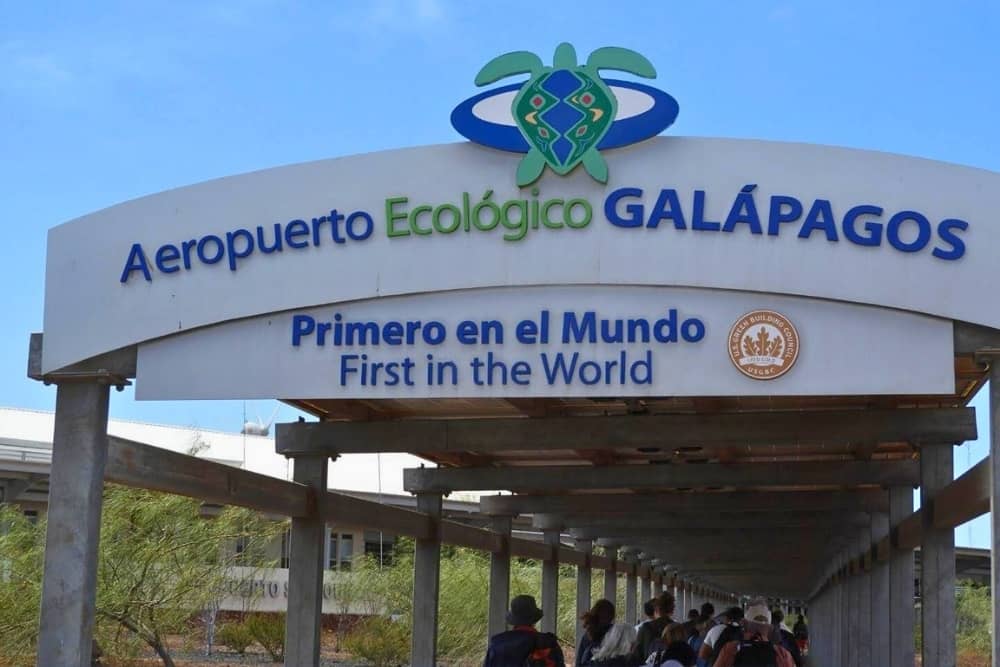
Baltra airport (IATA code GPS) is closer to Santa Cruz Island. Notably, the airport operates entirely on renewable energy, with 35% coming from photovoltaic systems and 65% from wind turbines. Baltra Island used to be a US military base and it’s located far out the village of Puerto Ayora.
San Cristóbal Airport
The second airport is situated in San Cristóbal (IATA code SCY), which is smaller but equipped with modern facilities. This airport is conveniently located just 10 minutes away from the city. It’s important to consider that most flight schedules land on the islands before noon. Keep in mind the logistics of your tour and the location of your accommodations or cruise departure point.
Typically, flights to the Galapagos depart early in the morning, bringing you to the Enchanted Islands in the mid to late morning. This allows you to seamlessly connect to your cruise or check in at your accommodations. If you’re uncertain about whether to choose a land-based tour or a cruise, we recommend checking this post.
It’s worth noting that if you’re prone to seasickness, a cruise may not be the most suitable option for you. However, there are strategies to manage seasickness, making a Galapagos cruise still a viable choice. Nonetheless, if you’re committed to visiting the Galapagos but prefer to avoid a cruise, we offer land tour options that will also showcase some of the islands’ most remarkable highlights.
Top Sites and Islands to Visit in the Galapagos Islands
- Santa Cruz Island: One of the most visited islands, it’s home to the Charles Darwin Research Station, offering insight into conservation efforts.
- San Cristóbal Island: Featuring beautiful beaches like Playa Mann, this island also houses the Galapagos Interpretation Center.
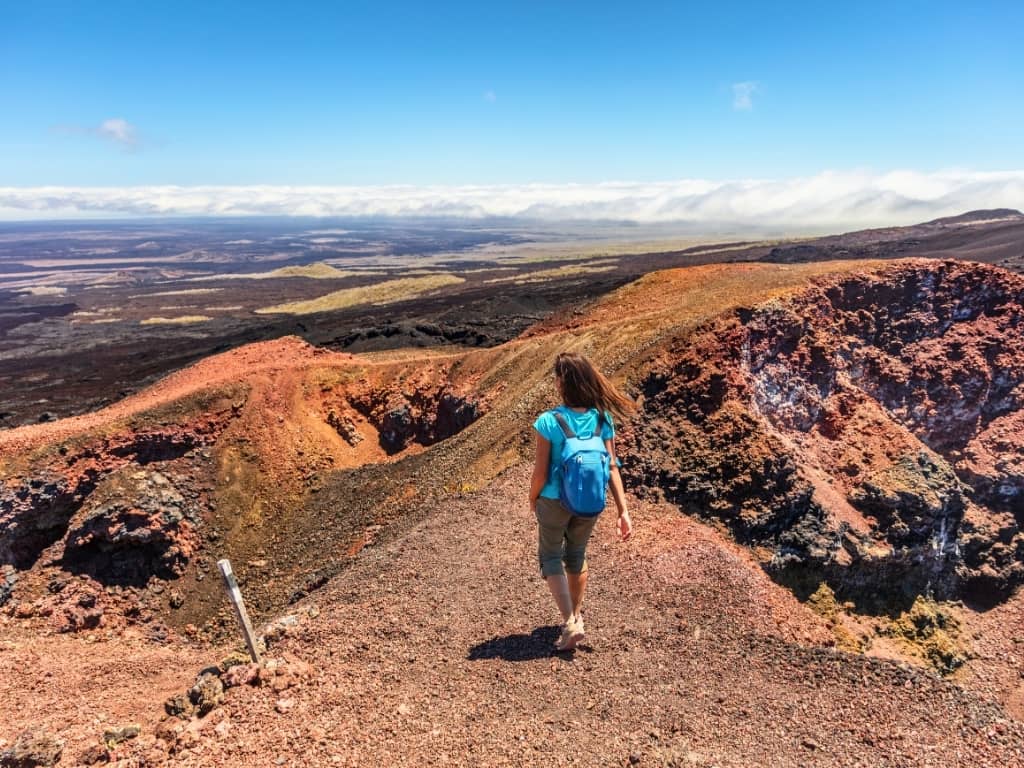
- Isabela Island: The largest island, known for its varied landscapes, including the Sierra Negra Volcano, which you can hike.
- Floreana Island: Historical sites like Post Office Bay, known for its 18th-century post barrel, and Devil’s Crown, a popular snorkeling site.
- Bartolomé Island: Famous for the Pinnacle Rock, offering stunning panoramic views and excellent snorkeling opportunities.
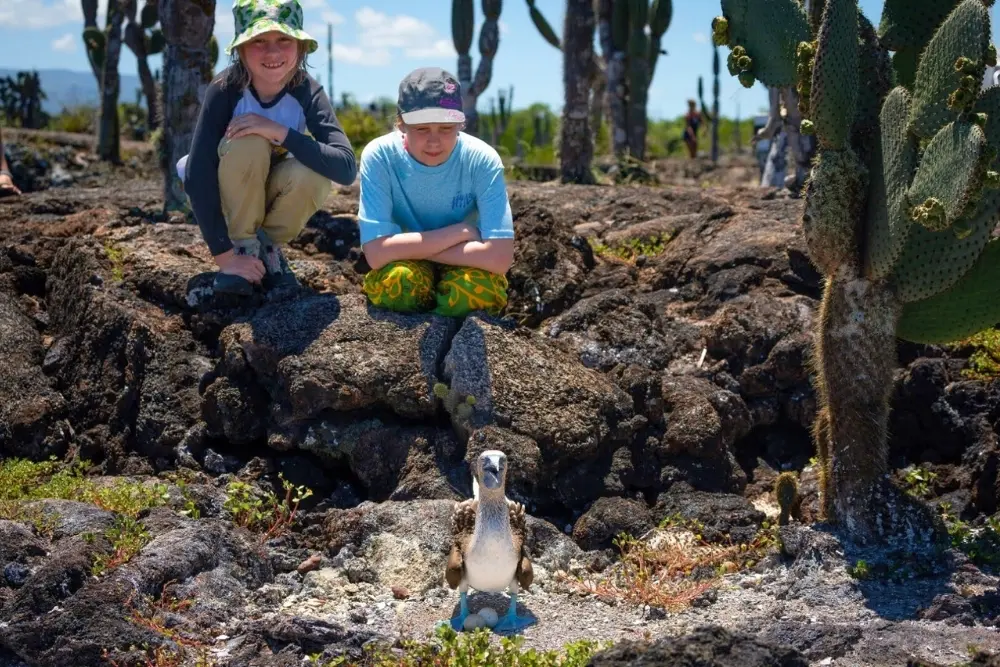
- North Seymour Island: Home to a large population of blue-footed boobies and frigatebirds, providing excellent birdwatching.
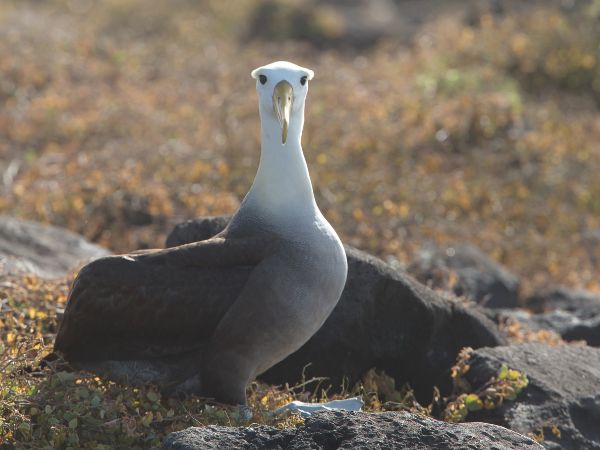
- Espanola Island: Known for the iconic blowhole and its role in the conservation of the waved albatross.
- Genovesa Island: A birdwatcher’s paradise, it’s home to red-footed boobies, great frigatebirds, and Nazca boobies.
- Rabida Island: Renowned for its distinctive red-sand beach and diverse marine life, making it a fantastic snorkeling spot.
- Santiago Island: Features Sullivan Bay, famous for its striking lava formations, and the chance to spot marine iguanas.
- Santa Fe Island: Known for its giant prickly pear cacti and close encounters with sea lions and land iguanas.
- Sombrero Chino: Offers a short hiking trail with unique lava formations and excellent snorkeling opportunities.
- Punta Pitt: On San Cristóbal Island, it’s the only place where you can spot all three booby species – blue-footed, red-footed, and Nazca.
- Baltra Island: Home to the main airport, often the starting and ending point for many Galapagos tours.
- Plaza Islands: North and South Plaza Islands are known for their vibrant flora, land iguanas, and stunning landscapes.
- Bachas Beach: Located on Santa Cruz Island, it’s a peaceful beach with sea turtle nesting sites and pink flamingos.
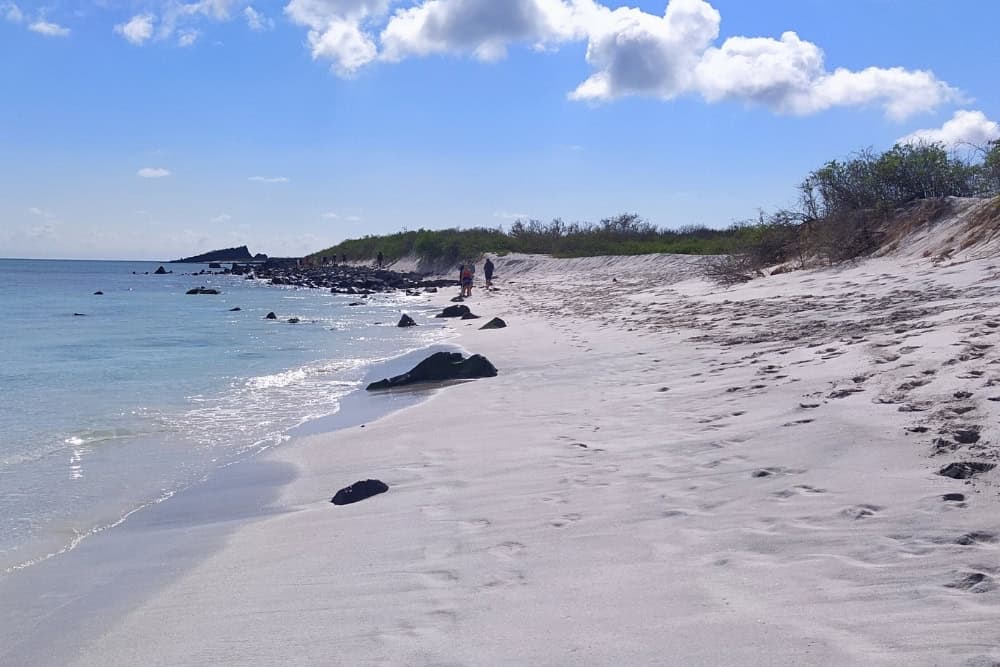
- Tortuga Bay: A stunning white-sand beach on Santa Cruz Island, known for its marine iguanas and clear waters for swimming.
- Kicker Rock: A distinctive rock formation off San Cristóbal Island, offering excellent opportunities for snorkeling and diving with sharks and rays.
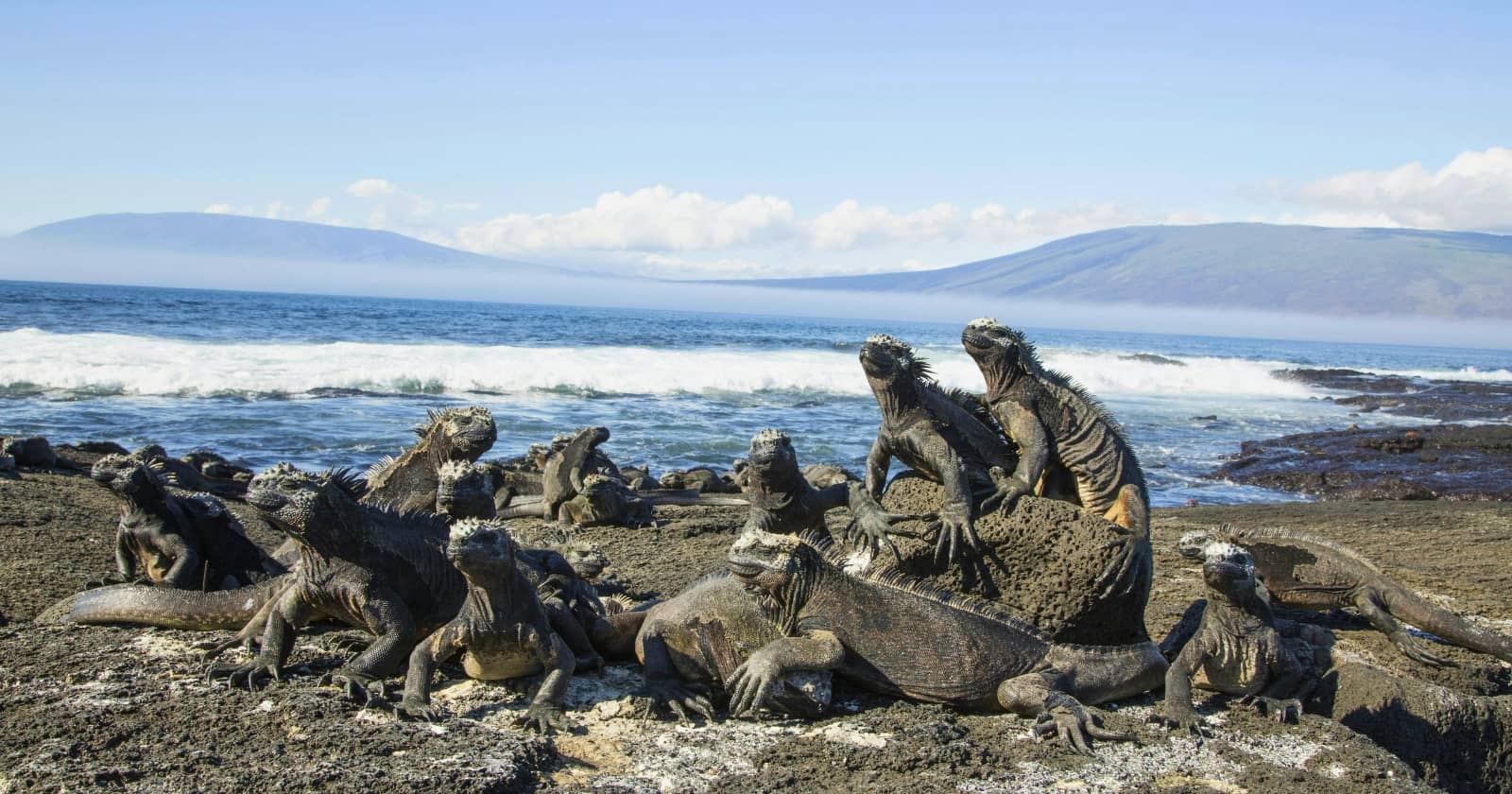
- Punta Espinosa: Located on Fernandina Island, this site is renowned for its large marine iguana population and lava formations.
- Urbina Bay: On Isabela Island, known for its unique underwater landscape and the chance to spot marine life like sea turtles and penguins.
- Sierra Negra: The second-largest crater in the world, situated on Isabela Island, and ideal for hiking with breathtaking views.
- Wall of Tears: Located on Isabela Island, a historical site with a massive wall built by prisoners during the island’s former penal colony period.
What to Pack for Your Galapagos Vacation
Use the following essentials list to ensure you don’t forget anything crucial. Other Galapagos packing lists offer more comprehensive guidance, but this one is designed to cover the essential basics.
- Sunscreen: Don’t forget, it must be waterproof. Look for eco-friendly brands to make sure you protect the pristine Galapagos waters.
- Electrical Adapter: Ecuador has the same voltage as the United States, which is 120 volts.
- Hiking Boots: Remember, the islands are known for the ruggedness of the terrain. Mid-cut or high-cut hiking boots will provide better ankle protection.
- Trekking Poles: Helpful for stability and support on the trails.
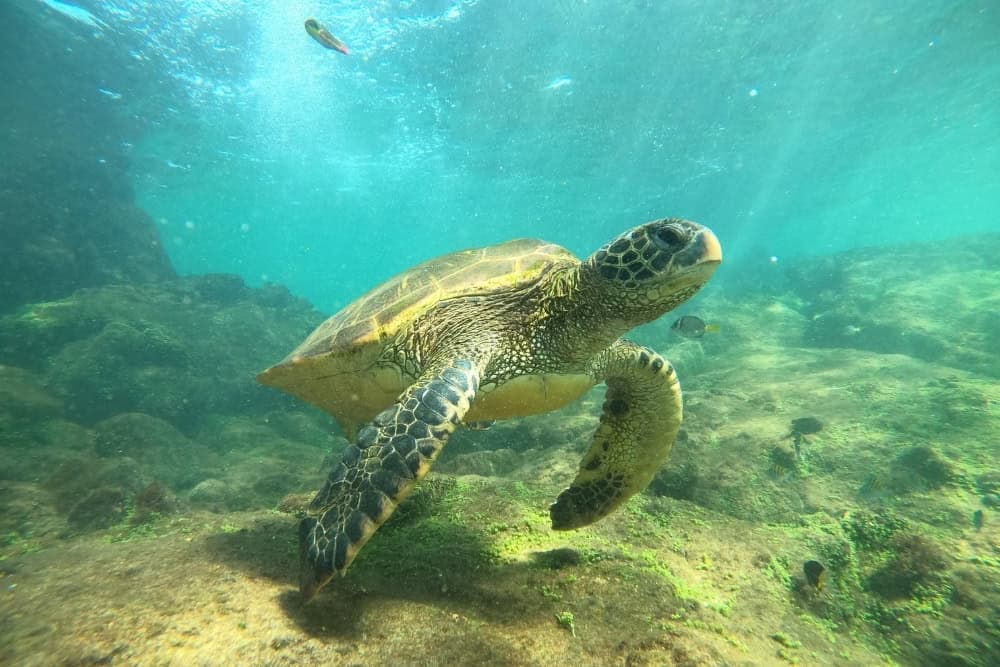
- Underwater Camera: Capture the underwater beauty and wildlife.
- Swim Shirt with UV Protection: Allows worry-free snorkeling without frequent sunscreen reapplication.
- Sandals or Water Shoes: Essential for walking on lava stones and other rocky terrain; avoid flip-flops.
- Windbreaker: The Galapagos Islands may experience cool winds depending on the time of the year.
- Camera with a Zoom Lens: Ideal for spotting the diverse wildlife.
- Waterproof Bag: Safeguard non-waterproof items like cameras, phones, or documents.
- Reusable Water Bottle: Maintain eco-friendly practices by refilling on your cruise or at the hotel.
- Motion Sickness Pills: Always handy, as you never know when you or your travel companions may need them.
- Padlock: A good idea, especially if you’re sharing a cabin on a cruise.
- Binoculars: Enhance your wildlife-spotting experience on the Galapagos Islands.
- Travel Insurance: It’s a wise investment, considering unexpected circumstances that may arise during your Galapagos vacation.
Galapagos National Park Rules
When visiting any protected areas within the islands, it’s essential to adhere to the Galapagos National Park rules:
- Visitors must be accompanied by a certified guide.
- Travel exclusively with tour operators and boats authorized to operate in the protected areas of the Galapagos.
- Stick to marked trails to safeguard yourself and the wildlife. The islands are a National Park.
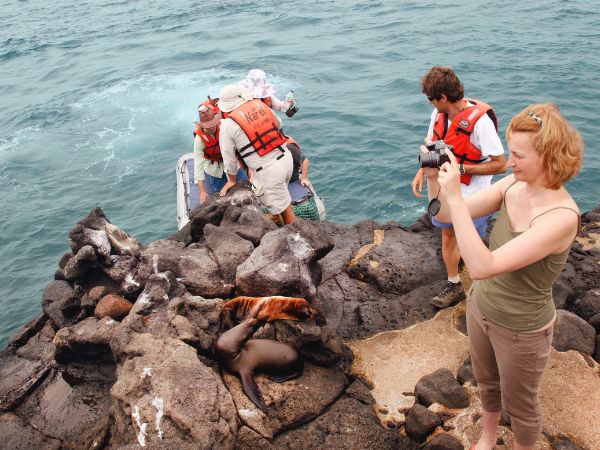
- Maintain a minimum distance of six feet between yourself and the wildlife, even if they appear friendly—they are not pets.
- Refrain from feeding the wildlife, as it can cause health issues for them.
- Avoid using flash photography when photographing wildlife. Additionally, any videos and photos for commercial purposes require special permission from the Galapagos National Park.
- Camping is only allowed in specific areas on certain islands, with authorization required from the Galapagos National Park at least 48 hours in advance.
- It is prohibited to introduce food, animals, or plants to the Archipelago, and luggage may be scanned for compliance with environmental regulations.
- Purchase or possession of products made from banned substances like black coral, shells, lava rock, and animal parts is illegal.
- Support the preservation of the islands by practicing leave-no-trace principles, including packing out all trash and minimizing plastic use.
- Smoking and campfires are prohibited within the Galapagos National Park, as they pose a severe risk to the flora and fauna.
- Fishing is only allowed on recreational tour boats authorized by the Galapagos National Park.
- Motorized aquatic sports and aerial tourism activities are not permitted within the Galapagos National Park or the Marine Reserve.
Useful Tips for Your Galapagos Vacation
- What language do they speak in the Galapagos Islands? The official language in Ecuador is Spanish, but English is spoken in tourist areas. Consider requesting a bilingual guide for a more enriching experience.
- Ecuador’s mainland is in the GMT -5 time zone, while the Galapagos is GMT -6.
- The currency in Ecuador is the U.S. Dollar. ATMs on the islands are limited, it’s highly recommendable to consider obtaining cash in Quito or Guayaquil.
- Some businesses do not accept credit cards, so it’s advisable to carry enough cash. Keep smaller bills as change is not always available.
- Tipping is not mandatory in Ecuador, but if you receive excellent service, a 10% tip is customary.
- Electricity in Ecuador is 120 volts, the same as in the United States.
- Internet and phone connectivity can be challenging due to the islands’ remote nature.
- Travel insurance is recommended to cover any unforeseen incidents during your Galapagos vacation.
- To fully enjoy your visit to certain locations in the islands, you’ll need a certified guide.
- While people with disabilities can visit the Galapagos Islands, the physical demands of the destination and limitations of the terrain may limit their participation in some activities.
- The Galapagos Islands offer a fantastic experience for children, who will delight in the abundant wildlife. It’s an ideal destination for family trips.
- Can you stay in the Galapagos Islands? Yes! The archipelago is not only enjoyed by cruise, you can also opt for island-hopping tours. The inhabited islands in Galapagos offer many choices for hotels across all categories.
Discover trips to the Galapagos
Further Reading
- The best time to travel to the Galapagos Islands
- Tips for Family Travel to the Galapagos Islands
- All you should know about Transportation in the Galapagos Islands
Frequently Asked Questions
How to plan your Galapagos vacation, and what are the legal requirements?
When planning your Galapagos vacation, it’s important to be aware of the legal requirements, including having a passport and, for some countries, a visa. All visitors must obtain a Transit Control Card for a fee of $20 and pay a separate Galapagos National Park entry fee of $200 for adults and $100 for children. The card limits your stay to a maximum of 60 days.
What are the travel logistics and airport options for a Galapagos vacation?
To reach the Galapagos, you must first fly to mainland Ecuador to either Mariscal Sucre International Airport in Quito or José Joaquín de Olmedo Airport in Guayaquil. From there, you will take a domestic flight to one of the two main airports in the Galapagos: Baltra (GPS) or San Cristóbal (SCY).
What health and safety tips should I follow for a Galapagos vacation?
The article recommends bringing your own prescription medicines, as well as over-the-counter medicines for common issues like altitude sickness and seasickness. While local pharmacies and hospitals are available, it’s best to be prepared.
What kind of activities are available on a Galapagos vacation, and how physically demanding are they?
Galapagos tours and activities range in difficulty from easy to moderate. The article suggests communicating any concerns about your physical capabilities to your guide, who can help ensure a comfortable and enjoyable experience.
What should I pack for my Galapagos vacation?
The article provides a detailed packing list, which includes essentials like comfortable clothing, sunblock, insect repellent, and other items to ensure a successful trip.
Galapagos Tours
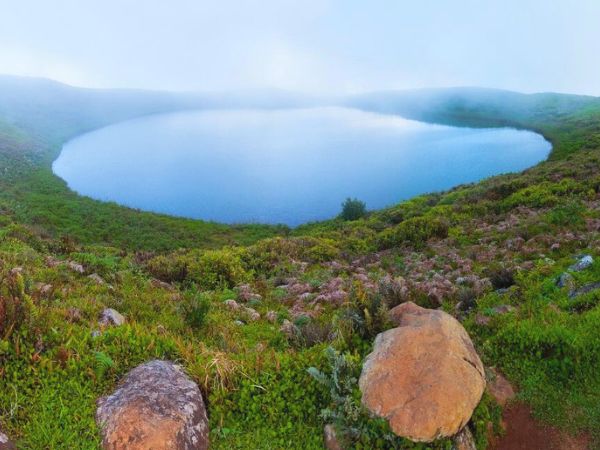
12-Day Galapagos Expedition
 4 Islands
 $3,220 p.p.
- Kicker Rock
- El Junco Volcano
- Tintoreras Islet
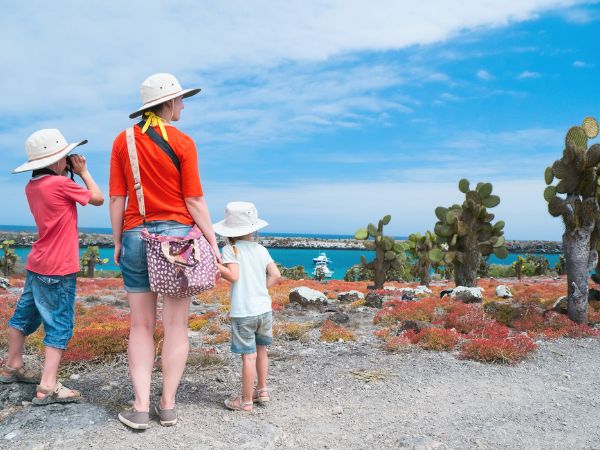
9-Day Galapagos Family Friendly Tour
3 Islands $2,700 p.p.- Tortuga Bay
- Los Tuneles
- Playa Mann

7-Day Galapagos Food Tour
4 Islands $3,626 p.p.- Food Experience
- Los Tuneles
- Bay Tour
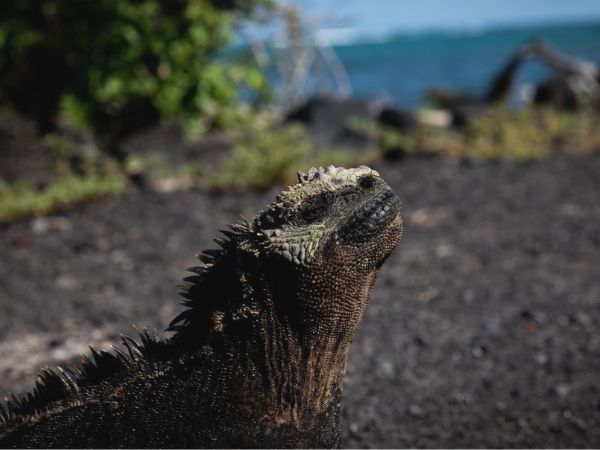
7-Day Hidden Treasures Galapagos
4 Islands $2,101 p.p.- Kicker Rock
- Los Tuneles
- Bay Tour
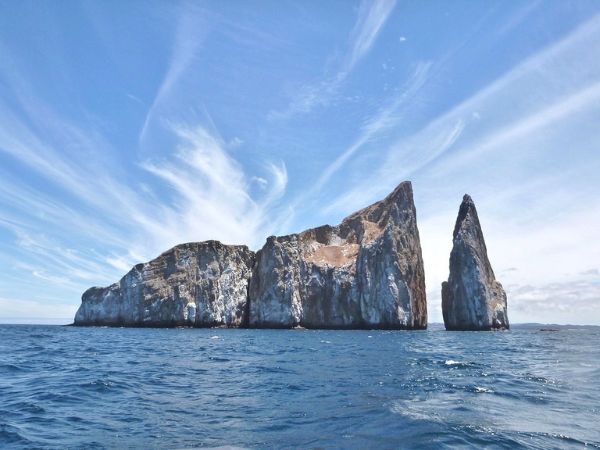
6-Day Galapagos Expedition
3 Islands $1,905 p.p.- Kicker Rock
- La Loberia
- Bay Tour
5-Day Galapagos Expedition
3 Islands $1,126 p.p.- Santa Cruz Highlands
- Puerto Villamil
- Santa Fe Island
4-Day San Cristobal Expedition
2 Islands $1,353 p.p.- Kicker Rock
- Playa Mann
- Española Island