
The Galapagos Islands: Where Conservation Meets Adventure
- By: Johanna Alvear
Are you curious about the Galapagos Islands conservation? Nestled 600 miles off the coast of Ecuador, the Enchanted Isles are like stepping into another dimension. Here, life takes on a rhythm dictated by nature rather than human interference. With otherworldly volcanic landscapes, thriving wildlife, and an unyielding commitment to sustainability, this archipelago offers not just a trip but an experience that feels like a privilege. It’s no wonder that visiting the Galapagos means adhering to some of the strictest environmental regulations on the planet. But don’t let that deter you! This is part of what makes the Galapagos Islands a sanctuary for both wildlife and the visitors lucky enough to explore them.
Table of Contents
Galapagos Islands Conservation: A World of Their Own
The Galapagos Islands may be part of Ecuador, but they function in many ways as a self-contained world. This separation isn’t just geographic; it’s purposeful. This special autonomy allows the Galapagos to remain one of the world’s most pristine destinations, a carefully protected treasure functioning on its own terms to preserve its rare beauty.
For those who call this place home, life revolves around sustainability. Think water treatment plants, waste reduction, and a minimalist lifestyle that thrives on living off the land, where produce is grown and consumed locally. This commitment to respecting the environment is reflected in the way the Islands cater to visitors, elevating their experience.
The archipelago’s delicate balance with nature is coupled with world-class services. From upscale eco-lodges to fine dining, you’ll find that top-tier amenities blend seamlessly with the surroundings. Whether it’s a private yacht tour or a gourmet meal prepared with locally sourced ingredients, everything is designed to ensure a memorable and comfortable stay, without compromising the conservation efforts that make this place so special.
A Natural Paradise With Strict Regulations
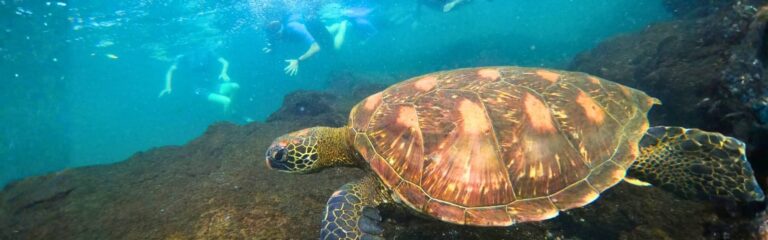
Imagine standing on a black-sand beach, the turquoise water lapping at your feet, and a curious sea lion waddling up to say hello. This is everyday life on the Galapagos Islands. It’s no surprise that Charles Darwin found inspiration here for his theory of evolution. The Galapagos Islands are more than a destination—they’re a living laboratory, where the interplay of species and ecosystems reveals the beauty of life itself.
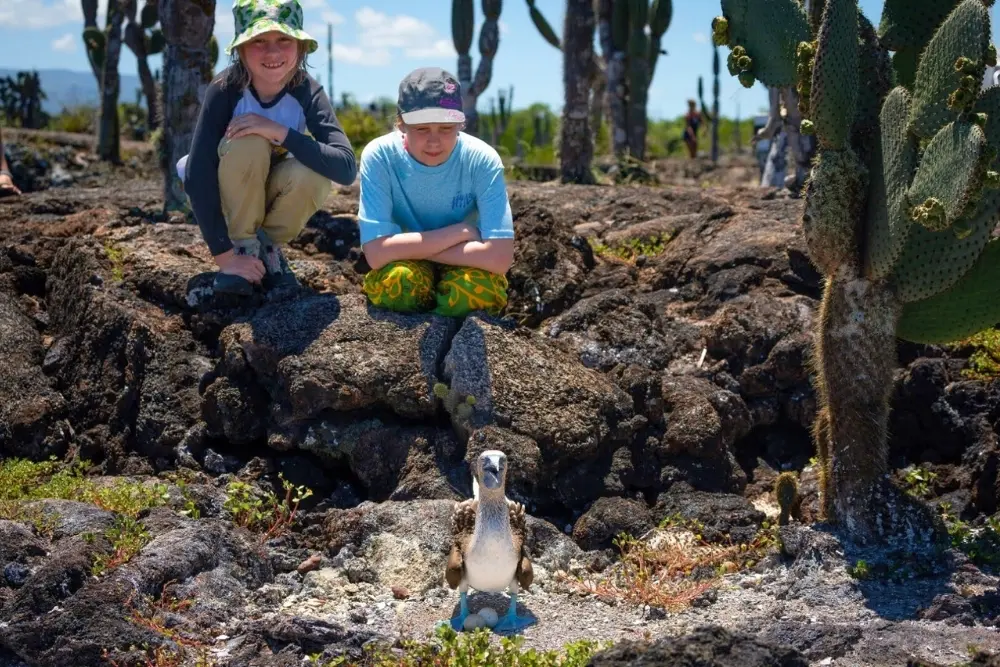
The Galapagos Islands owe much of their magic to their status as a UNESCO World Heritage Site, where everything is designed to safeguard this delicate ecosystem. From the land to the surrounding Marine Reserve, Galapagos is 97% National Park. Tourism is tightly controlled: visitor numbers are capped, guided tours are mandatory, and leave-no-trace policies ensure minimal environmental impact.
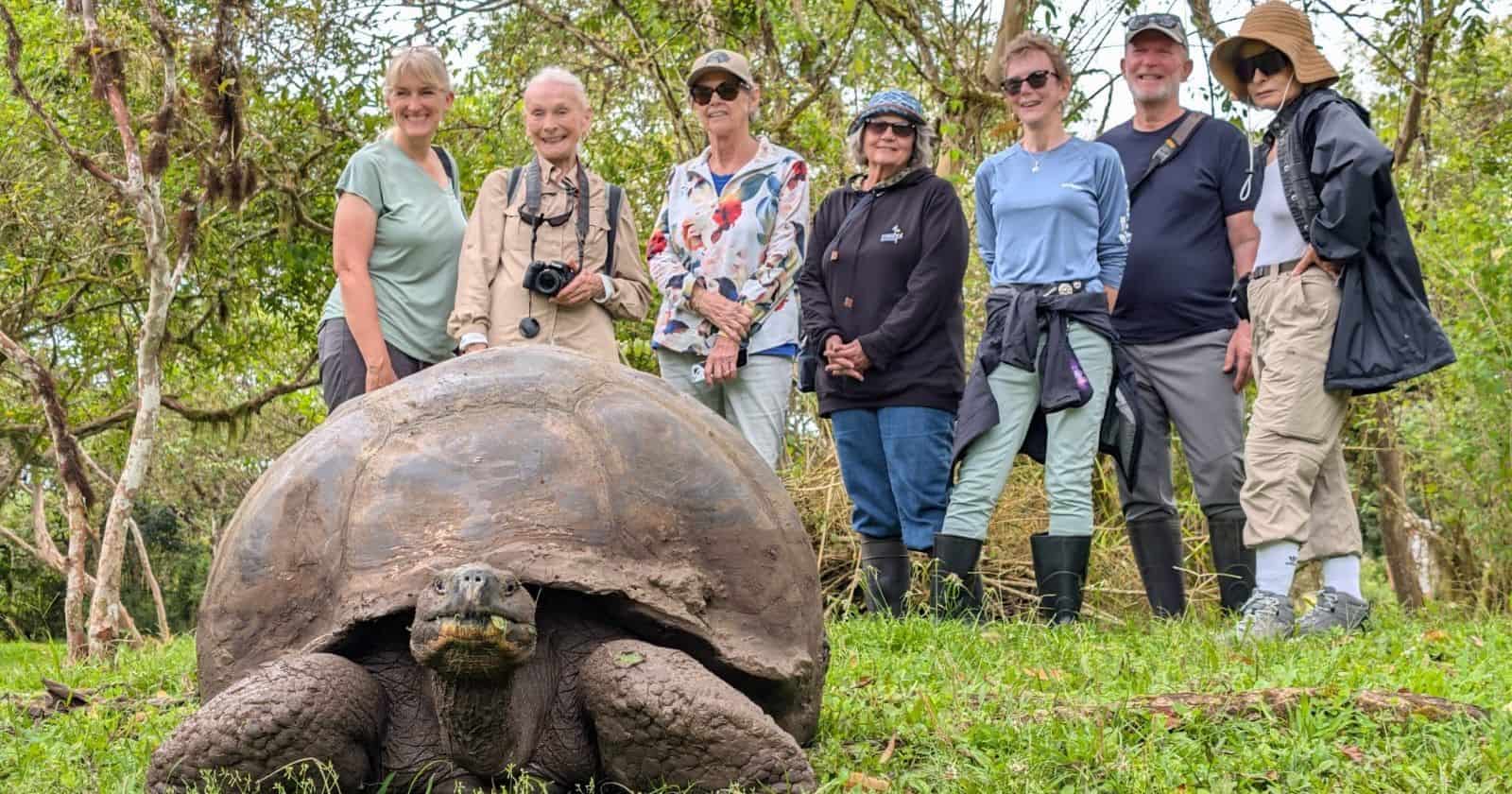
These measures prevent habitat destruction, pollution, and wildlife disturbances, while certified naturalist guides enhance experiences and uphold responsible behavior. Conservation extends beyond tourism, with efforts to eradicate invasive species, reintroduce endangered wildlife, and manage sustainable fishing practices. These regulations are why the Galapagos remain a global conservation leader, balancing preservation and progress for future generations to enjoy.
A Safety Bubble for Wildlife and Visitors
The dedicated Galapagos conservation efforts preserve more than the delicate balance of nature. Shielded from political developments in mainland Ecuador, this remote archipelago offers a haven where life can unfold undisturbed. Just as an astonishing array of wildlife enjoys a sanctuary in the Islands’ unique ecosystem, travelers fortunate enough to visit get a smooth experience in complete peace and safety.
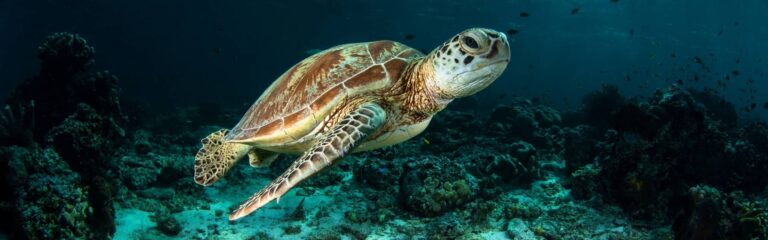
This remarkable archipelago offers a respite from the chaos of modern life, inviting you to immerse yourself in the beauty of endemic biodiversity. As you step foot on these pristine shores, you are enveloped by a sense of harmony and awe. From the playful sea lions basking in the sun to the ancient giant tortoises ambling across the volcanic landscapes, every encounter with nature feels like a privileged glimpse into a world untouched by time.
Galapagos Islands Conservation: A Model for Sustainability
The Galapagos Islands don’t just preach sustainability; they live it. This commitment to green living goes hand in hand with the Islands’ focus on conservation. Tourism here is all about going eco-friendly. Tour operators adhere to strict guidelines, ensuring that every activity, from snorkeling to hiking, minimizes environmental impact. The accommodations on the Islands also embrace sustainability, with eco-lodges and waste-reduction programs leading the way. What’s more, the sustainable efforts look into the future. Reforestation projects, ocean cleanups, and ongoing research into renewable energy continue to make the Galapagos a shining example of what’s possible when we put the planet first.

Though politically part of Ecuador, the Galapagos operate as a world apart, a self-contained bubble of beauty, conservation, and sustainability. For travelers, the Galapagos Islands offer more than an adventure. They offer hope that with the right mindset and action, we can preserve the most precious places on Earth. Beyond a destination, the Galapagos Islands are a promise. A promise that nature can thrive when given the space and care it needs. So pack your bags, but leave your worries behind. The Galapagos Islands are ready to welcome you, just as they’ve welcomed countless species before.
Frequently Asked Questions
What is the primary status of the Galapagos Islands conservation, and what percentage of the area is protected?
The Galápagos Islands are a UNESCO World Heritage Site. The area is overwhelmingly protected, with 97% of the Galapagos functioning as a National Park, including the surrounding Marine Reserve.
Why are the Galapagos Islands considered a “living laboratory,” and what famous theory did they inspire?
The islands are known as a “living laboratory” due to the unique interplay of species and ecosystems that reveal the beauty of life itself. The archipelago famously inspired Charles Darwin’s theory of evolution.
What are the main regulations that control tourism and protect the environment in the Galapagos?
Tourism is tightly controlled through strict environmental regulations, including:
– Capped visitor numbers.
– Mandatory guided tours led by Park-certified naturalist guides (in groups up to 16).
– Strict leave-no-trace policies to ensure minimal environmental impact and prevent wildlife disturbances.
How does the local population support conservation and sustainability in their daily lives?
For residents, life revolves around sustainability. This commitment includes:
– Operating water treatment plants and practicing waste reduction.
– Embracing a minimalist lifestyle where produce is grown and consumed locally.
– Blending top-tier services (like eco-lodges and fine dining) with the natural environment, using locally sourced ingredients.
Beyond regulations, what other long-term conservation efforts are underway in the Galapagos?
Conservation efforts extend to long-term projects like:
– Eradicating invasive species.
– Reintroducing endangered wildlife.
– Managing sustainable fishing practices.
– Implementing reforestation projects and conducting research into renewable energy.
Further Reading
- Galapagos Cruising: Exploring the Unmissable Islands
- 9 Galápagos Activities to Enjoy on Your Island Cruise
- Top 20 Galapagos Islands Animals Not to Be Missed
Tour Galapagos Now!