
Top 7 Things to Do in Peru and Machu Picchu
- By: Rebecca Braak
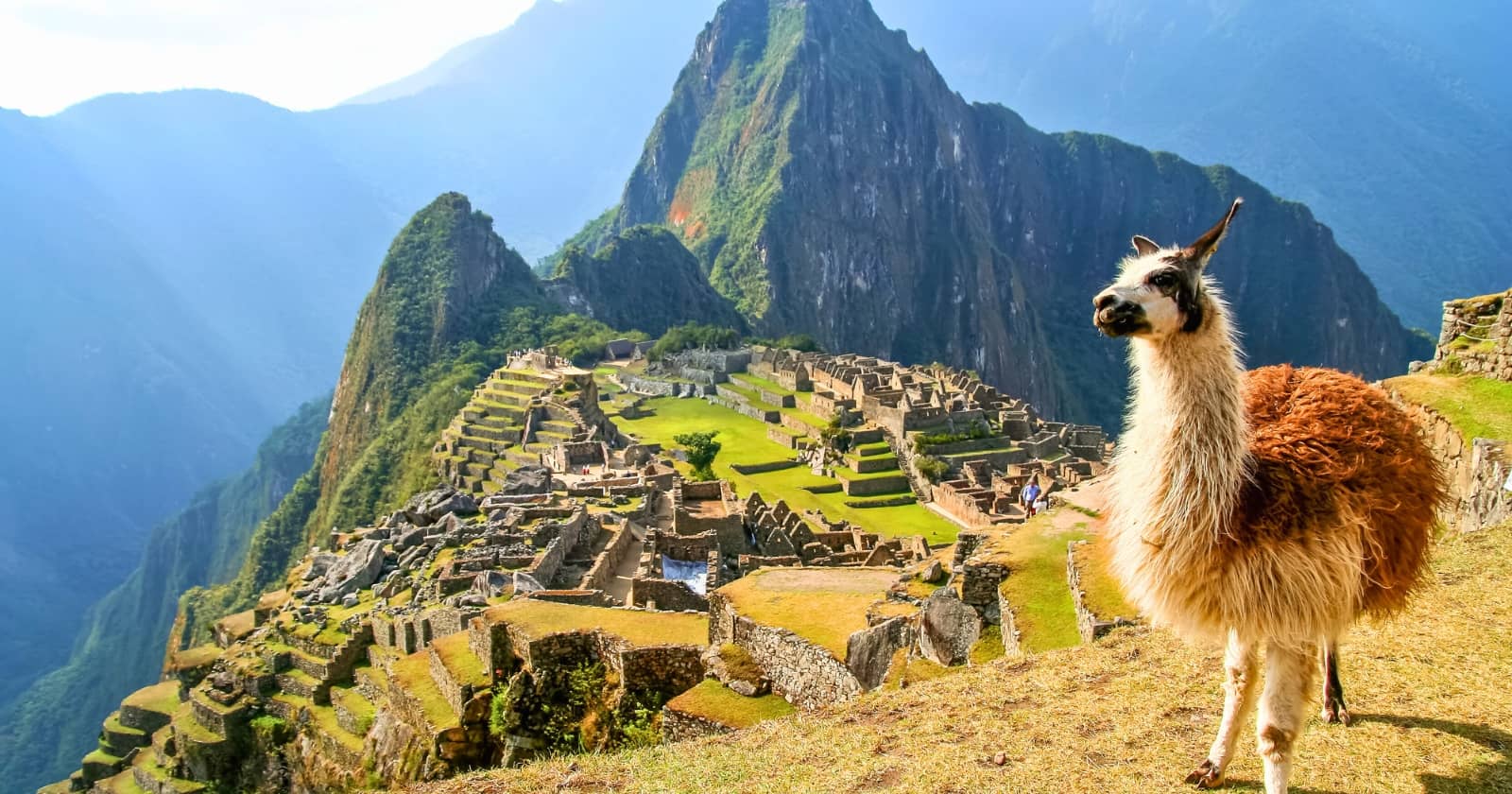
Exploring Machu Picchu is one of the best things to do in Peru. Why? Machu Picchu is a magical and mystical destination, making it a South American jewel. The Inca citadel is one of those places that casts a spell on you from the moment you arrive. At 2,430 meters (7,970 ft) above sea level, it’s an icon that represents the grandeur of the Inca Empire. The site dates back to the 15th century, making it a historical marvel at the foot of a mountain. Learn about the Incas and their amazing way of life by exploring the ancient ruins and the Inca Trail with friends and family. In this blog, we’ll show you the best things to do during your Peru and Machu Picchu hike: discover terraces, temples, and emblematic spots!
In addition to the breathtaking views and rich history, don’t forget to engage in some local cuisine while visiting Peru. Dishes like ceviche, lomo saltado, and ají de gallina are must-tries. Ceviche, a dish made from fresh raw fish cured in citrus juices, embodies the coastal heritage of Peru. Pair it with a pisco sour, Peru’s national cocktail, for an authentic culinary experience.
Table of Contents
Another important aspect of traveling in Peru is understanding the local culture. Peruvians are known for their warm hospitality, and learning a few phrases in Spanish can enhance your experience. Simple greetings and expressions of gratitude go a long way in making connections with locals.
While exploring the Sun Gate, take a moment to engage with your surroundings. The flora and fauna are unique to this region, and spotting native birds like the Andean condor or enjoying the diverse plant life can make your hike even more memorable. Consider bringing a guide who can point out interesting facts about the ecosystem.
1. Beautiful views at the Sun Gate (Intipunku) will amaze you
As you visit the Temple of the Sun, think about the architectural marvel it represents. The precision with which the Incas built these structures is still studied today. The way the stones fit together without mortar is a testament to the engineering skills of the Inca civilization. Look closely at the stonework and admire the craftsmanship.
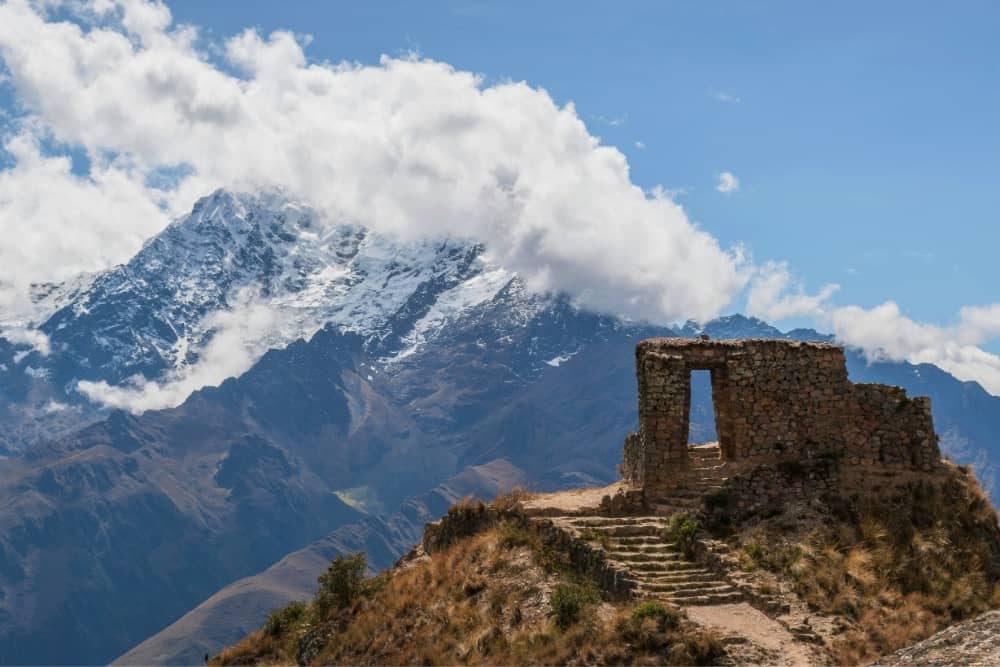
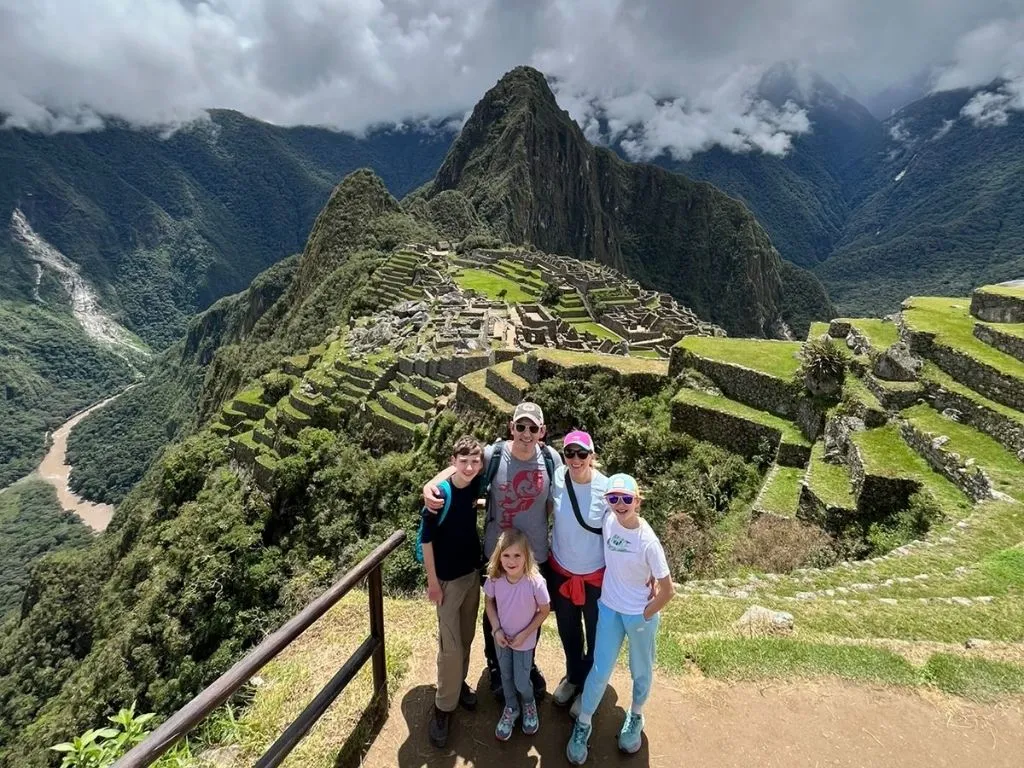
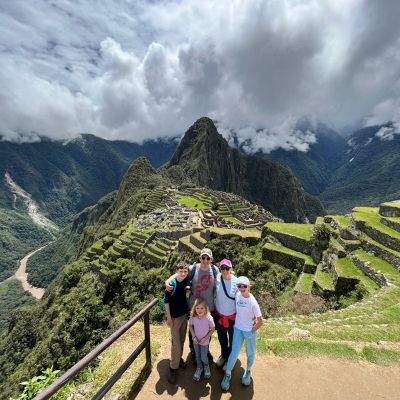
The Sun Gate, or Intipunku in the native Quechua language, was the main entrance to Machu Picchu citadel. It follows the Peruvian Inca Trail that ends at Machu Picchu. Thus, from Intipunku, you’ll admire the fantastic view of the mysterious ‘Lost City of the Incas.’
2. Visit the emblematic Temple of the Sun
Built for ceremonial purposes, the Temple of the Sun, or the Torreón, was a sacred temple. The Incas used it to pay tribute and give offerings to the sun. The Torreón was used as an astronomical observatory. Therefore, it helped to measure solstices and stargazing.
The Sacred Rock is not just a stone; it is steeped in spirituality and significance. Many visitors leave offerings at this site, reflecting the deep connection the Incas had with their gods. Understanding the rituals and beliefs surrounding this rock can provide greater insight into Inca life.
Inti, also called Apu-punchau, was known as the sun god. He was the son of Viracocha, the universe creator, and his wife, Mama Cocha, the goddess of the sea. The Incas believed that the sun controlled their lives, and it was vital for agriculture. Even though Inti was a benevolent god, he was also angry. For instance, solar eclipses were supposed to be a manifestation of his discontent.
Manco Cápac, the founder of the Inca Empire, was Inti’s son. Then, during the Inca Empire, Inti Raymi -Quechua for “Inti festival”-, was the most important ceremony celebrated in Cusco, at an elevation of 3,399 meters (11,200ft). Even so, nowadays, indigenous cultures in the Andes celebrate Inti Raymi every June 24th.
During your hike to Huayna Picchu, take breaks to soak in the panoramic views. This mountain offers one of the most stunning perspectives of Machu Picchu. Many travelers say this is their favorite part of the trip! Bring a camera to capture these incredible moments.
3. See the Sacred Rock
The Sacred Rock is a monolith that looks like the Putucusi Mountain. It has a height of 3 meters, seated in a base of 7 meters in width. For instance, historians think it might have been an altar, being at an area of worship of the gods -also known as Apus-.
Visiting the Temple of the Moon also opens up a discussion on the gender roles in Inca society. This temple is dedicated to the moon goddess, and the Incas had numerous ceremonies and festivals relating to lunar phases. Exploring the significance of the moon can enrich your understanding of their worldviews.
4. Hike up to Huayna Picchu
The Principal Temple’s unique architecture includes trapezoidal doors and windows that are not only aesthetically pleasing but also practical for earthquake resistance. This feature showcases the advanced construction techniques employed by the Incas. Be sure to note these details as you explore the temple.
The famous photos of the Inca citadel always include the beautiful Huayna Picchu mountain, standing right behind Machu Picchu.
Adventure tourists who travel to Peru, with the objective to follow the Inca Trail and discover Machu Picchu, like to hike Huayna Picchu for its incredible views. However, the hike requires no technical skills or climbing tools. However, in some places, you’ll need railing and cables. The total ascent is over 350 meters (1.000ft).
Finally, looking at the Intihuatana, consider how the Incas’ astronomical knowledge informed their agricultural practices. By predicting celestial events, they could plant and harvest crops at the optimal times. This relationship between astronomy and agriculture is an essential part of the Inca legacy.
5. Visit the Temple of the Moon
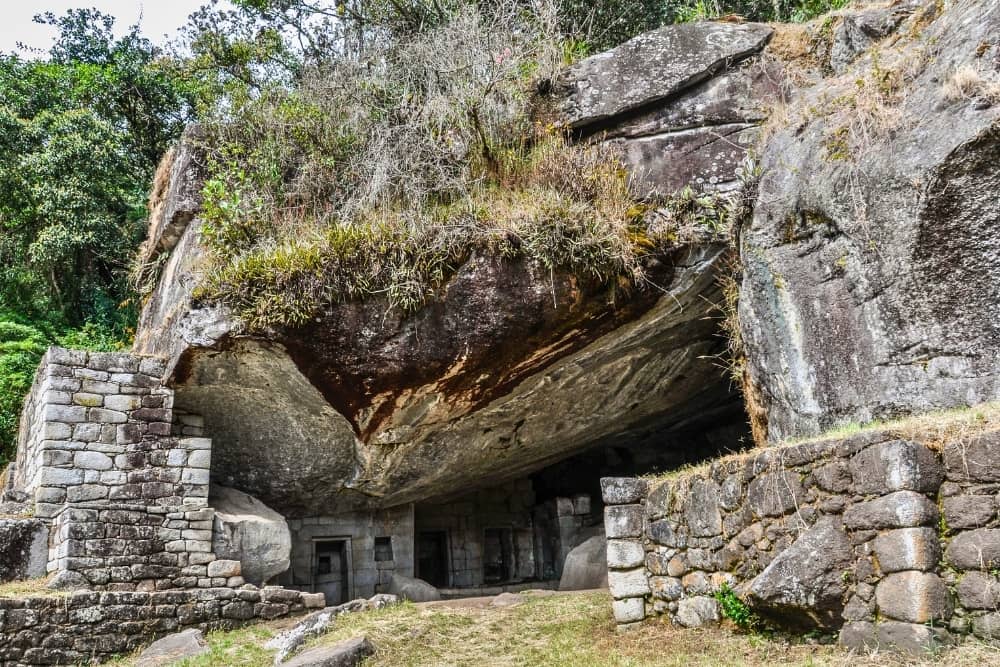
If you climb Huayna Picchu, you’ll be able to visit the Temple of the Moon and The Great Cavern. The Incas used it as an observation point. Historians think that the Incas preferred caves because they could connect them to the world of the dead.
To truly appreciate the experience at Machu Picchu, consider taking a guided tour. Expert guides can provide context and stories that enhance your visit. Whether you’re learning about the engineering feats of the Inca civilization or the spiritual beliefs tied to the landscape, a guide can help you uncover the layers of history embedded in this remarkable place.
So pack your bags, and get ready for an adventure of a lifetime in Peru—there are countless things to do in Peru that will captivate your heart and soul!
Ultimately, planning your trip to include a variety of activities enhances your adventure. From exploring ancient ruins to sampling traditional dishes, your time in Peru will be filled with enriching experiences that reflect its rich cultural tapestry. Don’t forget to explore the vibrant markets, where you can find handcrafted souvenirs and interact with local artisans!
6. Tour the Principal Temple
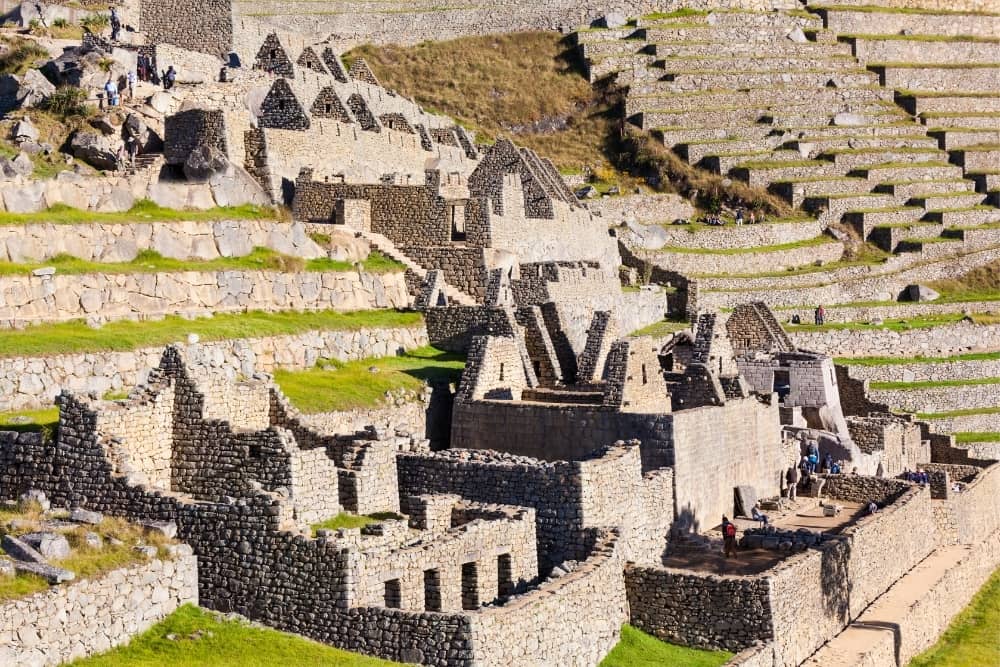
Principal Temple is located on the Sacred Plaza. With its three-sided building, it is a great example of Inca masonry. The temple was used for ceremonial offerings, rituals, and burials. Moreover, it’s located at the highest position in the city.
In conclusion, the journey through this ancient city offers a unique glimpse into the past and a chance to experience the vibrant culture of Peru. Each corner of Machu Picchu tells a story, and by engaging with the history and local customs, you will leave with unforgettable memories of your travels. Remember, these are just a few of the many amazing things to do in Peru!
7. Look at Intihuatana
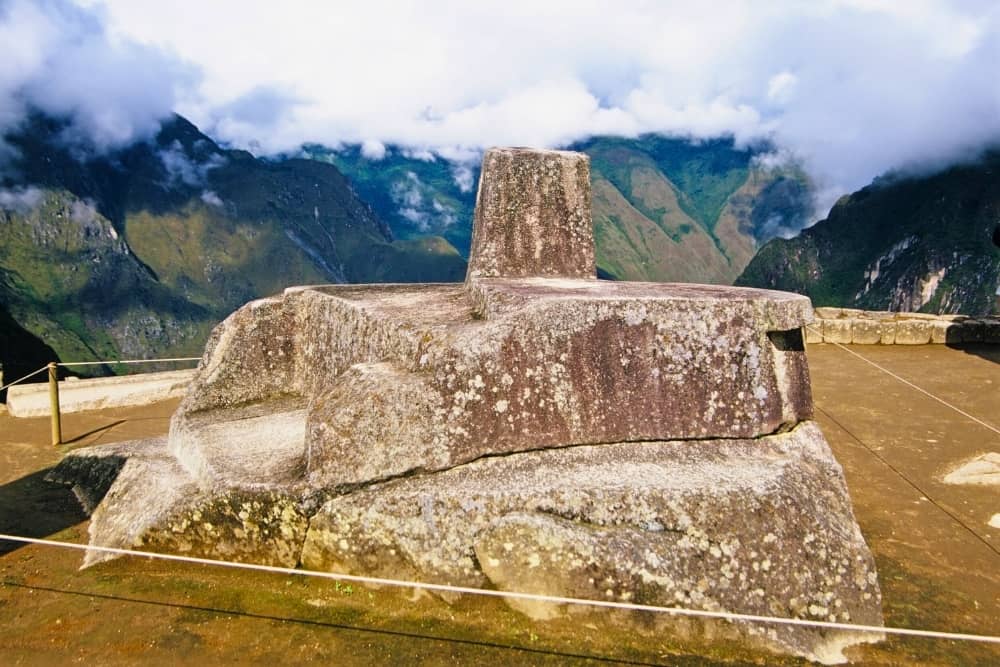
Intihuatana means ‘the place to tie up the sun.’ The amazing object, carved from a huge rock, is standing at Sacred Plaza. The four-sided, rectangular-shaped stone points to the north, south, east, and west directions. The Incas used the Intihuatana to predict solstices.
Machu Picchu, the crowned jewel of Peru, is a majestic and mysterious place thanks to its history, unique architecture, and stunning natural surroundings. Getting to Machu Picchu is like stepping into a thrilling dream. The electric blue skies and the majestic mountains will definitely dazzle you!
Contact our destination experts and plan your Machu Picchu tour today!
Frequently Asked Questions
What are the absolute must-see spots within the Machu Picchu citadel?
The most emblematic spots in the Inca citadel are the Sun Gate (Intipunku), which offers the most fantastic views of the ‘Lost City of the Incas’; the ceremonial Temple of the Sun (Torreón), used as an astronomical observatory; and the Sacred Rock, a monolith believed to have been an altar for worship.
Is there an adventurous hike available with incredible views of Machu Picchu?
Yes, you can hike up to Huayna Picchu, the mountain featured in the classic photos of the site. This hike offers incredible views but involves a total ascent of over 350 meters (1,000 ft), sometimes requiring railings and cables, though no technical climbing skills are needed. If you climb Huayna Picchu, you can also visit the Temple of the Moon and the Great Cavern.
What cultural and historical aspects should I look for while exploring the ruins?
Observe the Inca masonry at the Principal Temple on the Sacred Plaza, noting the trapezoidal doors and windows designed for earthquake resistance. Also, look at the Intihuatana (‘the place to tie up the sun’), a carved rock used by the Incas to predict solstices and inform their agricultural practices. Consider hiring a guided tour to enhance your understanding of the Incas’ advanced engineering and spiritual beliefs.
What are the essential culinary experiences to try in Peru?
While visiting Peru, you must try the local cuisine, including Ceviche (fresh raw fish cured in citrus juices), Lomo Saltado, and Ají de Gallina. For an authentic experience, pair your meal with a Pisco Sour, Peru’s national cocktail.
What general advice is important for interacting with the local culture?
Peruvians are known for their warm hospitality. Learning a few phrases in Spanish can greatly enhance your experience. Additionally, take time to engage with the natural surroundings and unique flora and fauna, such as the Andean condor. You should also explore the vibrant local markets for handcrafted souvenirs and interact with artisans.
Further Reading
- How to choose the best Peru and Machu Picchu tour?
- 8 Ways to Make Your Travel More Sustainable in South America
- A Guide to Eco-Friendly Travel in Peru
Tour Peru Now!
16-Day Hidden Treasures Peru
 7 Sites
 $3,810 p.p.
- Lake Titicaca
- Pukara
- Machu Picchu
14-Day Peru Family Adventure
7 Sites $5.986 p.p.- Sacred Valley
- Paracas
- Machu Picchu
8-Day Machu Picchu & Galapagos
5 Sites $2,025 p.p.- Galapagos Island Hopping
- Plaza de Armas Cusco
- Machu Picchu
6-Day Cusco & Machu Picchu
4 Sites $1,377 p.p.- Rainbow Mountain
- Sacred Valley
- Machu Picchu
5-Day Tambopata Amazon Peru
3 Sites $1,569 p.p.- Amazon Rainforest
- Chuncho Clay Lick
- Terra Firme Trail
5-Day Inca Trail to Machu Picchu
2 Sites $2,726 p.p.- Sacsayhuaman
- Sacred Valley
- Machu Picchu