
10 Amazing Facts About The Cotopaxi Volcano
- By: Rebecca Braak
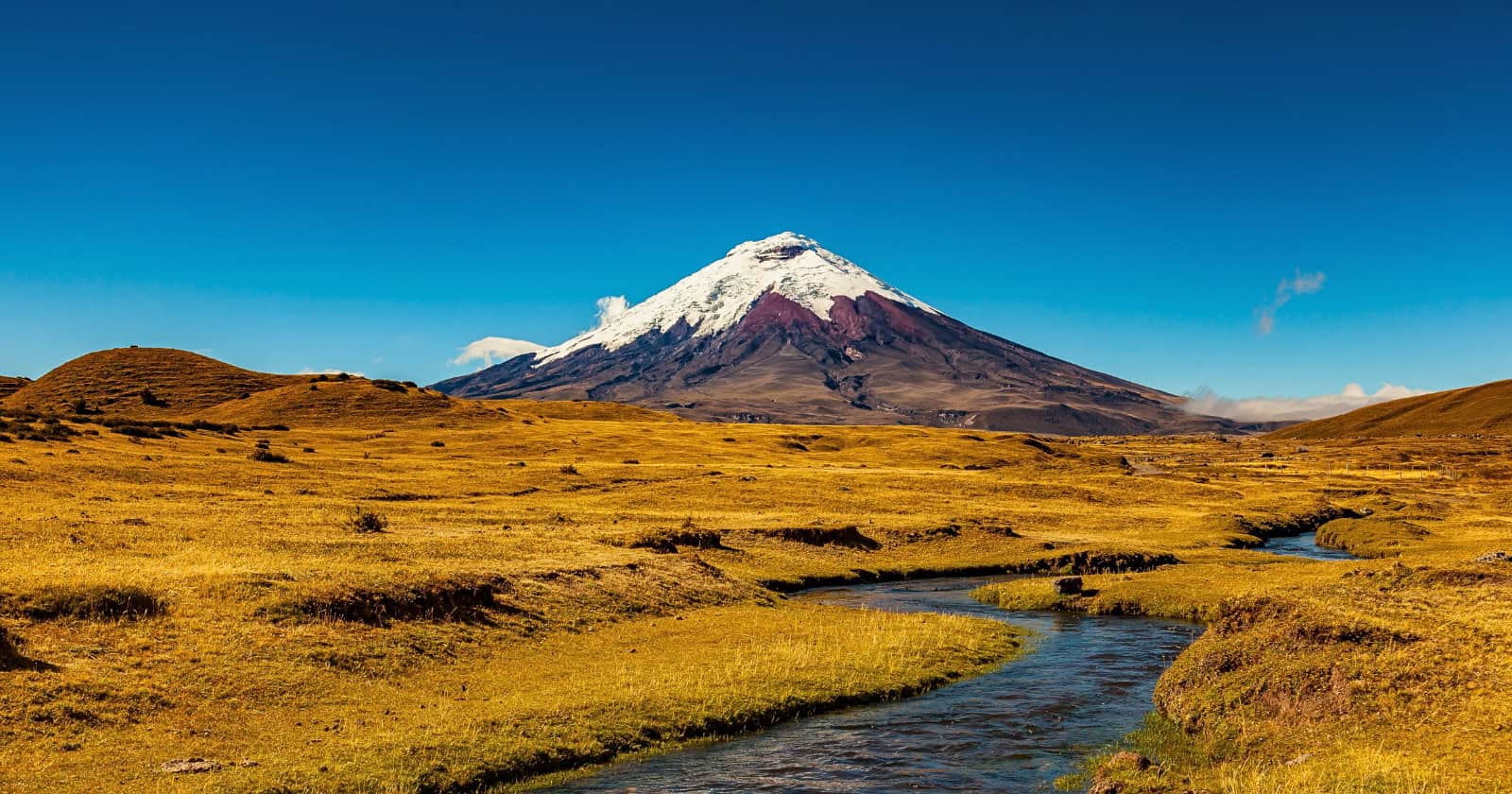
Venturing on the mesmerizing expedition to Ecuador’s renowned Cotopaxi volcano, our intrepid explorers found themselves captivated by the spellbinding experience that unfolded. From the first glimpse of its perfectly conical silhouette crowned with delicate snow, the adventure promised a collection of geological marvels.
Navigating the rugged trails and weathering the unpredictable elements, they discovered a landscape that spoke volumes about the awe-inspiring forces of nature. Join them as they recount the highs and lows—both literally and figuratively—of the ascent to the second-highest peak in Ecuador. Unravel tales of coca leaf tea, thermal layers, and the sensational panoramas that await at every turn!
Table of Contents
This isn’t just a tour; it’s an immersive experience into the heart of the Cotopaxi, where hybrid beauty meets the thrill of exploration. Follow along as the narrative unfolds, from the imposing presence of the Pan-American highway to the subtle charm of passport stamps. Reveal the extraordinary allure of the Cotopaxi volcano and its surrounding wonders.
1. Cotopaxi Is the Most Popular Volcano in Ecuador
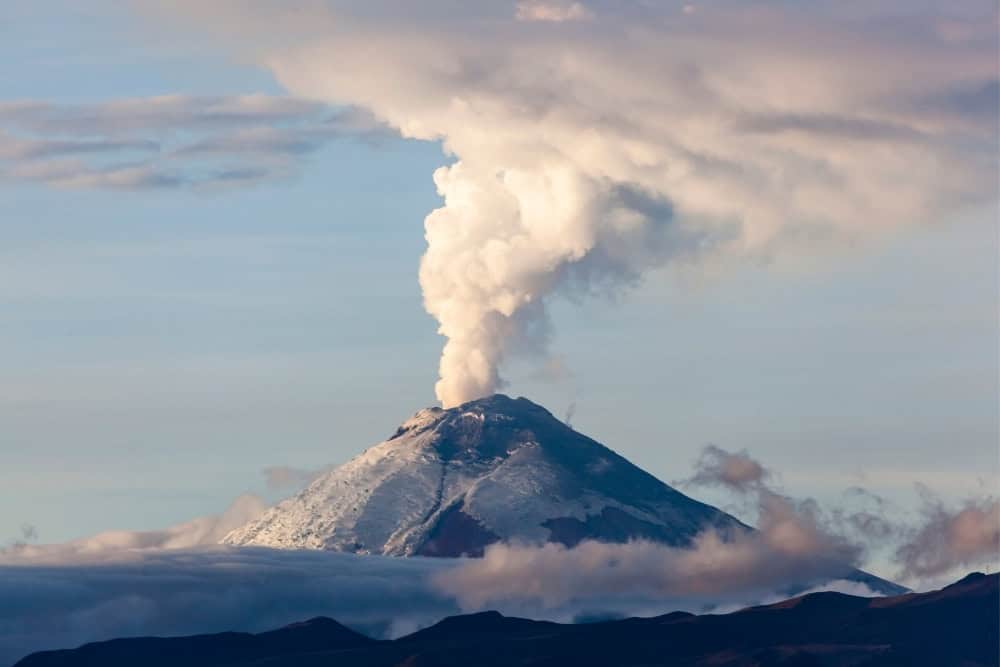
Firstly, the Cotopaxi volcano stands as Ecuador’s most renowned natural wonder, captivating visitors with its astonishing beauty and rich history. Its iconic perfect conical shape, adorned with a crown of snow at its peak, is a testament to the periodic eruptions that have shaped its form over time, layering it with hardened lava, pumice, and ash. This towering giant is not just a scenic spectacle; it holds the distinction of being one of the highest active volcanoes globally.
2. It Is One of the Highest Volcanoes in Ecuador
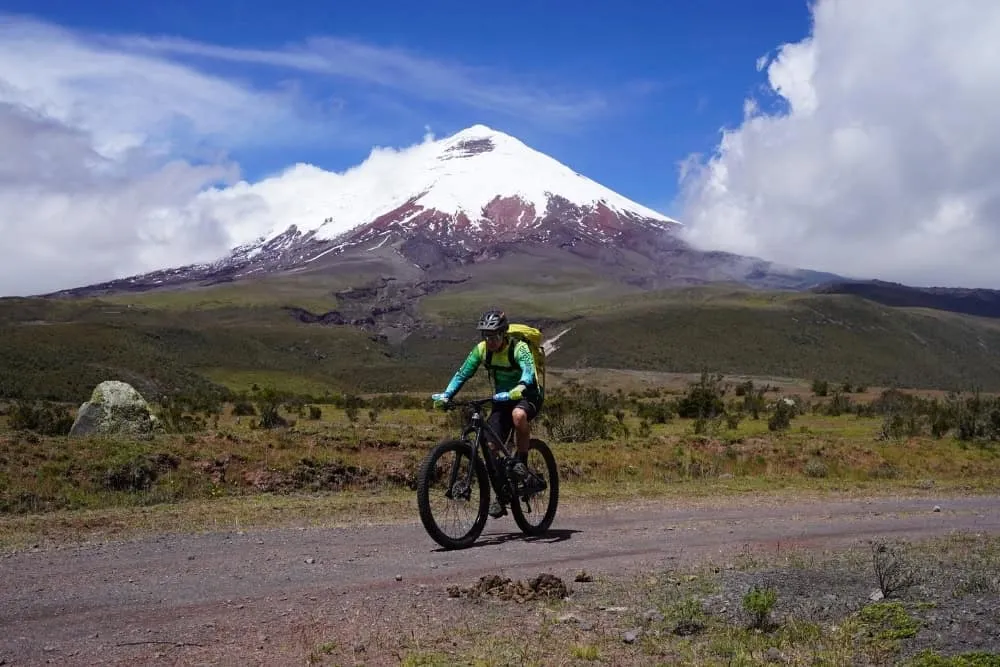
Ascending to an impressive altitude of 5,897 m.a.s.l., the Cotopaxi proudly claims its spot as the second-highest volcano in Ecuador. Located inside the Cotopaxi National Park, this natural marvel is a must-visit for adventure enthusiasts. To mitigate the effects of altitude sickness, locals recommend sipping on coca leaf tea, a traditional remedy that can be found in local markets before entering the National Park.
3. Glaciers Are Still Present at Cotopaxi Volcano
Recent images capturing the iconic Cotopaxi volcano have stirred intrigue as the large path of darkness now cloaks its typically pristine, white crown. At first look, it might be tempting to assume that the glaciers, once a defining feature of this majestic peak, had succumbed to the relentless forces of nature. However, a closer examination reveals that the glaciers persist, their endurance tested by the ongoing interaction of volcanic activity.
Despite the visible effects of melting caused by the interplay of extremely hot gases and ash emitted by the volcano, the glaciers continue their silent existence. They navigate the challenges of a changing landscape, concealing themselves beneath a veiling layer of ominous black ash. In this delicate dance between the elemental forces of fire and ice, Cotopaxi’s glaciers endure, a resilient testament to the lasting power of nature’s intricate balance.
4. Extreme Temperatures Around Cotopaxi Volcano
Embracing the Cotopaxi experience demands more than just a sense of adventure; it requires preparation for the changing weather conditions. The temperatures fluctuate depending on the altitude, ranging from an extreme 14° F (-10° C) in the glacier region to 68° F (20° C) on the sunniest days. At the refuge’s height, temperatures hover around 41° F (5° C) at 7:00 p.m., dropping to 32° F (0° C) at midnight. However, the lively wind on the summit can make the subjective perception of temperature feel up to -10 degrees lower.
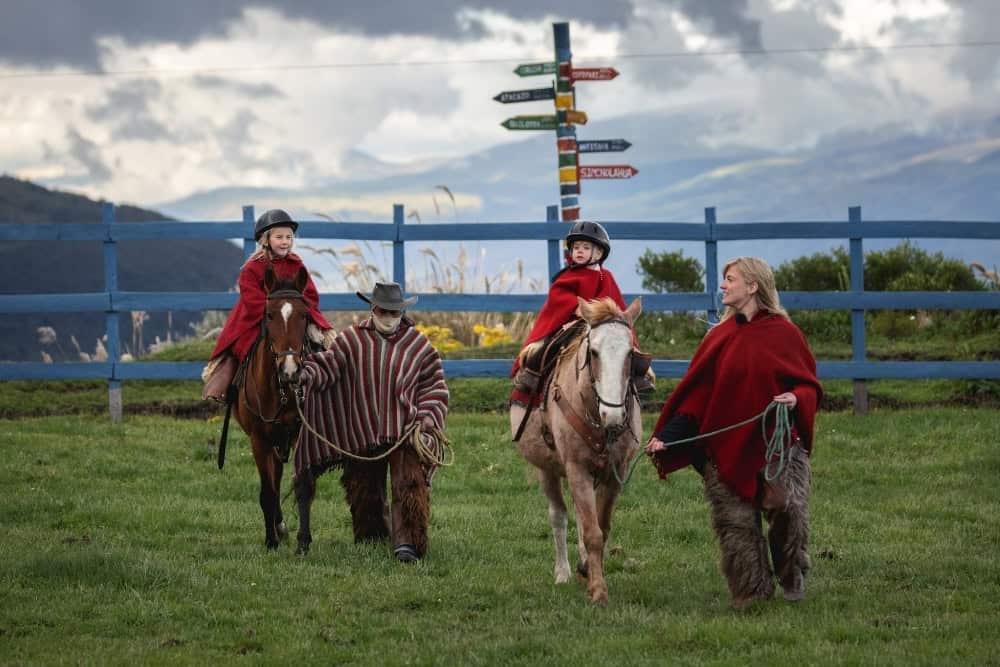
In this unpredictable climate, where the altitude amplifies the cold, and rain and wind challenge even the most intrepid explorers, dressing warmly is paramount. Thermal layers become a necessity for those venturing into the Cotopaxi National Park. Yet, amidst the capricious weather, the thrill of biking down the volcano, with the sun breaking through halfway, offers a contrasting and exhilarating experience. The ever-changing weather becomes an integral part of the experience, adding a unique dimension to your exploration of this amazing destination.
5. The Cotopaxi Lays on the Pan-American Highway
Spanning the Pan-American highway, the Cotopaxi asserts its presence on the longest road in the world. This highway, stretching from Alaska to Argentina, unveils Ecuador’s diverse landscapes. It showcases fields of potatoes, beans, and corn, alongside turquoise-toned lakes, natural thermal springs, and, of course, imposing volcanoes like the Cotopaxi. The volcano becomes a majestic highlight on this transcontinental journey.
Ride across the Pan-American Highway
6. It Is Part of Ecuador’s Volcano Avenue
Cotopaxi is not alone in Ecuador’s volcanic panorama. The Volcano Avenue presents a combination of geological splendors, including the towering Chimborazo, the picturesque Cuicocha, the regal Imbabura, and more. Each volcano contributes to Ecuador’s diverse and stunning natural gems, inviting explorers to embark on a journey through varying altitudes and landscapes.
7. The Cotopaxi Is Still Active
As the 26th highest active volcano globally, the Cotopaxi maintains an unpredictable temperament. Its most recent eruption, spanning from August 2015 to January 2016, led to the temporary closure of Cotopaxi National Park. With eruption drills implemented in nearby towns and cities, it wasn’t until October 2017 that the park reopened for hiking and climbing. The resilience of both the volcano and the surrounding communities adds a layer of intrigue to the Cotopaxi experience.
8. Cotopaxi Is a Composite Volcano
Contrasting with the diverse types of volcanoes worldwide, the Cotopaxi stands as a composite volcano. Its unique composition of layers, resulting from various eruptions, contributes to its distinctive appearance and geological significance. Understanding its composite nature adds depth to the appreciation for this impressive mountain.
9. There Is More to Cotopaxi Than Hiking and Biking
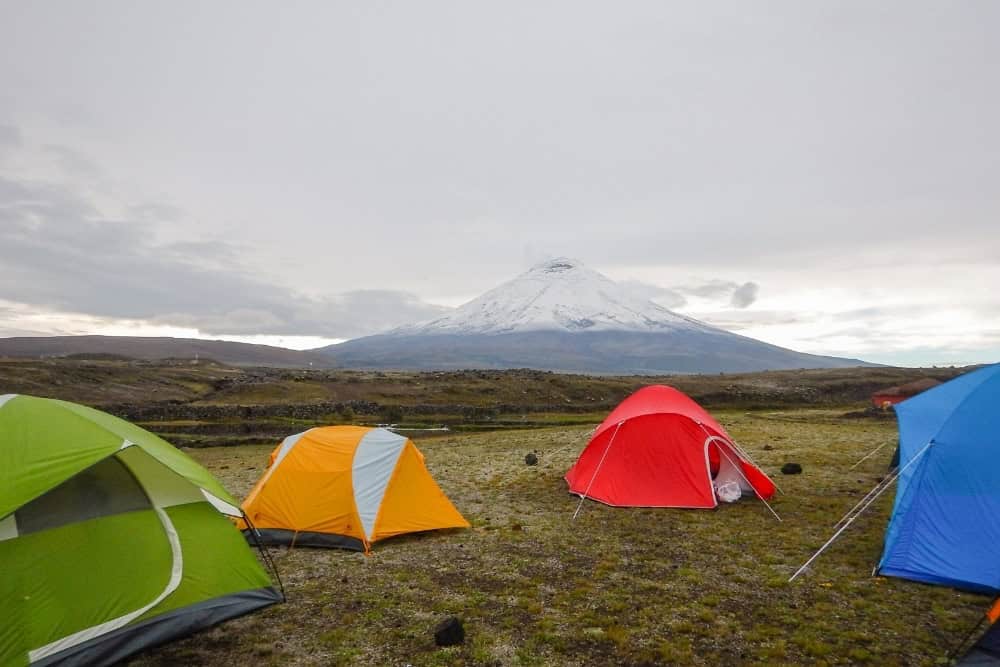
Cotopaxi National Park offers more than just hiking and biking. Adventure seekers can immerse themselves in the pristine surroundings by camping near the volcano’s base, experiencing the tranquility of the night amidst nature. Viewed from a different perspective, the horseback riding experience in the National Park reveals unparalleled beauty. This makes it one of the most memorable equestrian adventures, offering a unique and enchanting way to explore the incredible spectacles of the Cotopaxi surroundings.
10. Get a Stamp in Your Passport
Hiking the Cotopaxi not only offers stupendous views but also an opportunity to leave a mark on your passport. At a designated point during their Cotopaxi adventure, visitors have the opportunity to receive a unique stamp. This serves as a cherished reminder of their impressive journey to the summit of this majestic volcano. So, when embarking on the Cotopaxi adventure, don’t forget to bring your passport along for this special memento!
The Cotopaxi Volcano is a must-visit destination that epitomizes Ecuador’s natural grandeur. More than a visit, it’s an experience, a story to be told, and a spectacle that deserves a place on every bucket list. Here, the beauty of Ecuador’s volcanic landscape unfolds, beckoning explorers to witness its majesty firsthand. Its towering presence and active status make it an unparalleled adventure for every traveler.
Frequently Asked Questions
Further Reading
- Ecuador’s Andes Mountains Best Kept Secrets in the Northern Region
- 10 Reasons Why Ecuador is the Perfect Destination
- Top 5 Family Haciendas around Quito for a Weekend Getaway
Visit Ecuador Now!

14-Day Self-Drive Ecuador
 8 Sites
 $2,566 p.p.
- Isla de la Plata
- Baños Rafting
- Amazon Rainforest

9-Day Colonial Quito & Andes Adventure
5 Sites $1,149 p.p.- Intiñan Museum
- Cotopaxi Volcano
- Cotacachi’s Leather Town

14-Day Ecuador Mountain-Biking Tour
11 Sites $4,650 p.p.- National Park Trails
- Small Town Discovery
- Lagoon Biking Experience

9-Day Active Andes Expedition
6 Sites $2,059 p.p.- Ilinizas Norte
- Baños
- Cotopaxi Volcano

6-Day Ecuador Multisport
6 Sites $1,206 p.p.- Pailon del Diablo
- Llanganates National Park
- Caving at the Temple of Ceremony

6-Day Hiking Ecuadorian Andes
6 Sites $1,206 p.p.- Chimborazo Volcano
- Swing at the End of the World
- Chugchilan